
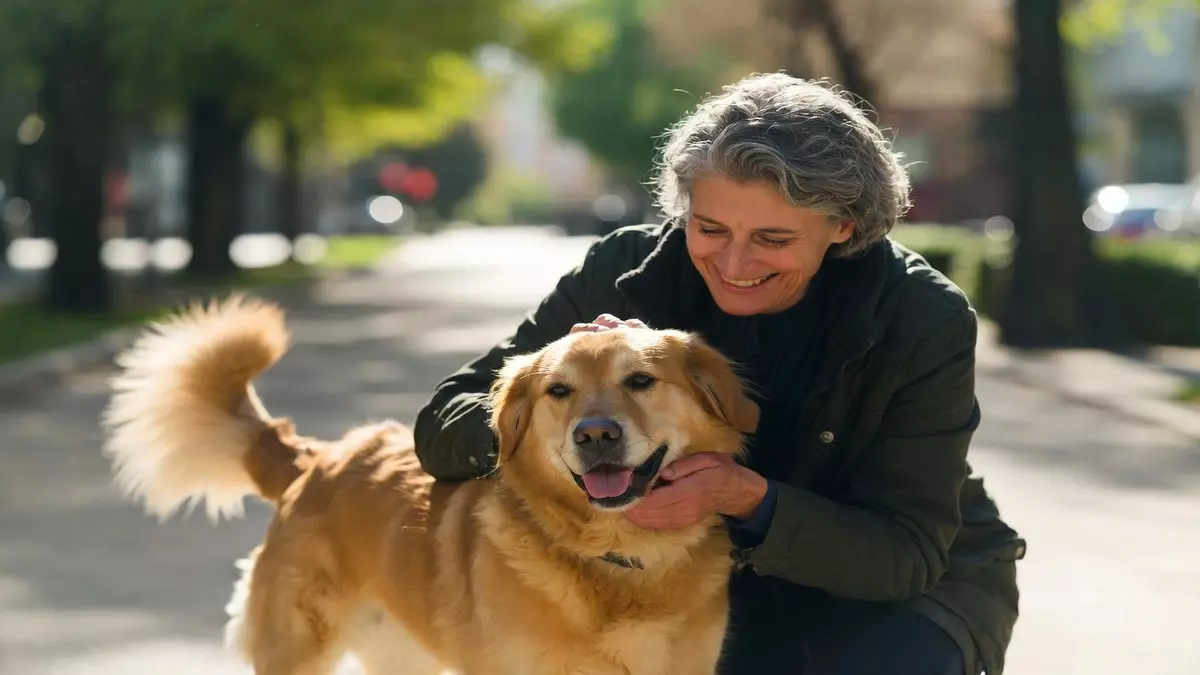
**Why You Can’t Resist Petting Every Dog You See, According to Psychology**
That irresistible urge to stop and pet a friendly dog on the sidewalk isn’t just a quirky habit. It’s a deeply human response with surprising benefits for your stress levels, mood, and emotional well-being. Psychology and anthrozoology — the study of human-animal interactions — are shining new light on why so many of us slow down, smile, and reach out for a quick scratch behind the ears.
In a fast-paced world filled with notifications and obligations, these brief encounters with dogs offer a natural pause that feels almost therapeutic. Far from being a simple “animal lover” trait, petting dogs taps into powerful biological and psychological mechanisms that can lower stress, boost connection, and even support better emotional regulation. Here’s what science reveals about this common behavior and why it matters more than you might think.
Why You Can’t Resist Petting Every Dog You See, According to Psychology

### The Science of the “Dog Petting Effect”
When you spot a dog and feel that pull to interact, your brain is responding to more than just cuteness. Research shows these moments trigger real physiological changes that help counteract daily stress.
A randomized trial conducted by Patricia Pendry and Jaymie L. Vandagriff at Washington State University demonstrated this clearly. College students who spent just 10 minutes in hands-on contact with cats and dogs showed significantly lower levels of salivary cortisol — the primary stress hormone — compared to those who only looked at images, observed from afar, or sat quietly. This suggests that physical touch with animals provides a quick, effective way to dial down the body’s stress response.
 Why Building Value Beats Chasing Success
This effect isn’t limited to pet owners. Even brief interactions with unfamiliar dogs can create a calming influence, making street encounters a kind of informal wellness practice available to almost anyone.
### How Oxytocin and Biology Drive the Urge
At the chemical level, dogs have a special way of connecting with humans. A landmark 2015 study published in *Science* by Miho Nagasawa and colleagues at Azabu University found that mutual gazing between dogs and their owners increased oxytocin levels in both. Oxytocin, often called the “bonding hormone,” promotes feelings of trust, affection, and calm.

Dogs’ expressive faces, soft fur, and attentive behavior seem perfectly tuned to our biology. Unlike many other animals, dogs have evolved alongside humans in ways that make them especially good at reading and responding to our emotional cues. That tilted head or wagging tail can feel like an invitation, quietly signaling safety and connection in an otherwise overwhelming environment.
This biological pull helps explain why the habit feels almost automatic. Your brain recognizes the opportunity for a low-stakes, positive interaction that delivers an instant mood lift.
### The Power of Cuteness and Baby Schema
Psychology has a term for why puppy faces are so compelling: the “baby schema,” first described by Konrad Lorenz. Features like large eyes, round heads, and soft expressions trigger nurturing instincts in humans. Research published in *PLOS ONE* showed that this cuteness response extends across species — we react to adorable puppies in much the same way we respond to human infants.
This isn’t frivolous. That instant “aww” reaction serves an evolutionary purpose, encouraging caregiving behavior and social bonding. In modern life, it provides a welcome emotional reset amid deadlines, traffic, and digital overload. Stopping to pet a dog creates a tiny island of joy and presence in an otherwise hectic day.
### What Your Dog-Petting Habit Says About Your Personality
People who consistently greet dogs on the street often score higher on agreeableness — one of the Big Five personality traits. Agreeable individuals tend to be compassionate, cooperative, and attuned to others’ emotions. This trait extends naturally to animals, linking higher empathy with greater concern for animal welfare.
That doesn’t mean non-dog-petters lack warmth. Rather, frequent dog-greeters may be particularly skilled at reading nonverbal cues and seeking gentle, positive connections. In a world where human interactions can sometimes feel complicated or draining, dogs offer straightforward, judgment-free companionship.
This habit may also reflect a proactive approach to emotional self-care. By seeking out these small moments of connection, people are intuitively regulating their mood and stress levels throughout the day.
### How Petting Dogs Serves as an Emotional Anchor
In practical terms, these sidewalk interactions pull attention away from worries, rumination, or digital distractions. The sensory experience of soft fur, warm body heat, and rhythmic petting provides grounding input that helps the nervous system shift out of “fight or flight” mode.
For many, it’s less about needing the dog specifically and more about needing a brief, reliable reset. That momentary focus on something gentle and responsive can lower heart rate, ease tension, and restore a sense of calm before continuing with the day.
Over time, these repeated positive micro-experiences may contribute to better overall emotional resilience and a more optimistic outlook.
### Important Boundaries: Consent for Both Humans and Dogs
While the urge to pet dogs is understandable, responsible interaction always comes first. The ASPCA and animal behavior experts emphasize asking the owner’s permission every time. Not every dog wants attention from strangers, even if they look friendly.
Best practices include:
– Ask the owner clearly: “May I pet your dog?”
– Let the dog approach and sniff your closed hand first.
– Pet gently under the chin or on the chest rather than reaching over the head.
– Watch for stress signals like yawning, lip licking, turning away, or stiffening.
Respecting these boundaries protects the dog’s comfort and ensures the interaction remains positive for everyone. The most genuine dog lovers are those who know when *not* to pet.
### How to Mindfully Incorporate This Habit Into Daily Life
If you’re someone who already stops for dogs, you can make the practice even more beneficial:
– Use it as a mindfulness moment — focus fully on the interaction instead of multitasking.
– Combine with walking for dual physical and emotional benefits.
– Share the joy by encouraging children to learn respectful animal interactions.
For those who want more animal connection without owning a pet, consider volunteering at shelters, fostering, or visiting dog-friendly parks regularly. These structured opportunities can deliver similar stress-relief benefits on a larger scale.
### Broader Benefits for Mental Health and Well-Being
Regular positive interactions with dogs and other animals are linked to numerous advantages:
– Reduced symptoms of anxiety and depression
– Lower blood pressure and heart rate
– Increased feelings of happiness and social connection
– Greater sense of purpose and motivation
These effects make petting dogs a simple yet powerful tool for mental hygiene — accessible, free, and available in many communities.
Even during challenging periods, these small encounters can provide moments of lightness and connection that accumulate into meaningful resilience over time.
### The Bigger Picture: Human-Animal Bonds in Modern Life
In an increasingly digital and isolated world, the human pull toward animals makes perfect sense. Dogs, in particular, offer uncomplicated affection and presence that many people crave. Psychology’s growing focus on these interactions highlights their value as legitimate sources of emotional support and stress relief.
This research also encourages more compassionate communities. Dog-friendly public spaces, pet therapy programs, and education around respectful interactions all help maximize these benefits safely.
### Conclusion: A Simple Habit With Profound Impact
The next time you feel that tug to pet a passing dog, know that your impulse has solid psychological backing. It’s not just about liking animals — it’s a natural way to lower stress, boost oxytocin, practice empathy, and create small moments of joy in everyday life.
By approaching these encounters with awareness, consent, and respect, you honor both your own emotional needs and the well-being of the animals who brighten our days. In a complex world, these tender, fleeting connections remind us of the power of simple kindness — for ourselves and for our four-legged friends.
Small habits like this one add up. They create pockets of calm, strengthen our capacity for compassion, and support better mental health one sidewalk greeting at a time. So go ahead and ask — when done right, petting that dog might be one of the healthiest things you do all day.
### FAQ: The Psychology of Petting Dogs and Human-Animal Interactions
**1. Is it normal to want to pet every dog I see?**
Yes. It’s a common, biologically driven response linked to oxytocin release, stress reduction, and our evolutionary response to cute, infant-like features in animals.
**2. Does petting dogs actually lower stress?**
Research supports this. Studies show even short interactions can reduce cortisol levels and provide emotional relief, making it an effective informal stress-management tool.
**3. What if a dog seems friendly but the owner says no?**
Always respect the owner’s decision. The dog may be in training, anxious, or recovering from something. Their “no” protects everyone involved.
**4. Can petting stranger’s dogs improve my mental health long-term?**
Regular positive animal interactions are associated with better mood, lower anxiety, and greater well-being. However, they work best alongside other healthy habits like exercise and social connection.
**5. How do I know if a dog wants to be petted?**
Look for relaxed body language: loose tail wagging, leaning in, or staying calm. Signs of discomfort include turning away, lip licking, yawning, or stiffening. When in doubt, give space.
**6. Are there benefits even if I don’t own a dog?**
Absolutely. Brief interactions with other people’s dogs, volunteering at shelters, or spending time at dog parks can deliver similar psychological and physiological benefits.
**7. What should parents teach kids about approaching dogs?**
Teach children to always ask the owner first, let the dog sniff their hand, and pet gently. Emphasize reading the dog’s body language and never approaching unknown dogs alone.
These insights from psychology show that the simple act of petting a dog carries deeper value than most people realize. By staying mindful and respectful, you can enjoy the full benefits of this heartwarming human habit.