
Table of Contents
- 1. 1. Guava: The Tropical Heavyweight
- 2. 2. Avocado: The Nutrient-Dense Superfood
- 3. 3. Blackberries: The Fiber and Antioxidant Powerhouse
- 4. 4. Pomegranate: The Heart-Healthy Seed
- 5. 5. Apricots: The Vision-Supporting Double Threat
- 6. 6. Jackfruit: The Plant-Based Culinary Shredder
- 7. 7. Passion Fruit: The Tart Bioflavonoid Boost
- 8. 8. Kiwi: The Mighty Micronutrient Dynamo
- 9. 9. Cherries: The Recovery-Accelerating Treat
- 10. How to Maximize Fruit Protein in Your Daily Routine
- 11. Conclusion
- 12. Frequently Asked Questions (FAQ)
- 12.1. Can I rely entirely on fruit to meet my daily protein requirements?
- 12.2. Does drying fruit increase its protein content?
- 12.3. Should I eat the seeds of guavas and passion fruits?
- 12.4. Is the sugar in high-protein fruits bad for weight loss?
- 12.5. When is the best time to eat these fruits for muscle recovery?
The Ultimate Guide to the 9 Highest Protein Fruits, According to Dietitians
When most people plan out their daily macronutrient targets, fruits are rarely the first thing that comes to mind for building muscle or hit protein goals. Typically, high-protein conversations revolve around classic staples like chicken breasts, eggs, tofu, and legumes.
However, nature’s sweet treats shouldn’t be overlooked. While fruits generally contain lower baseline amounts of amino acids than animal products or legumes, certain varieties offer a surprising protein punch alongside their vast array of vitamins and fiber.
According to registered dietitians like Allison Herries, RDN, protein is non-negotiable for repairing tissue, synthesizing vital hormones, and supporting immune function. Most active individuals require roughly 0.54 to 0.9 grams of protein per pound of body weight every day. Incorporating these specific high-protein fruits into your diet provides a refreshing, nutrient-rich boost to help you meet those benchmarks.

The Ultimate Guide to the 9 Highest Protein Fruits, According to Dietitians
1. Guava: The Tropical Heavyweight
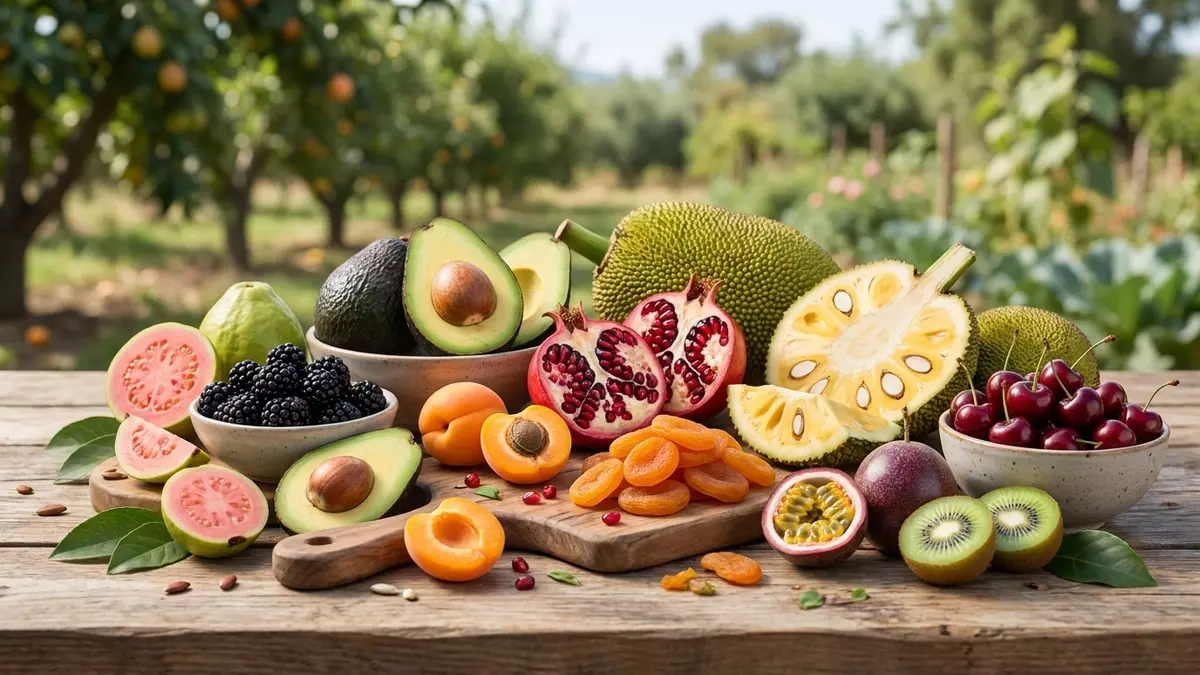
Guava firmly secures the number one spot on the list. This tropical fruit is an absolute powerhouse, delivering a remarkable 4.21 grams of protein per cup.
Beyond its macro profile, a single serving of guava infuses your system with over 400% of your daily recommended value of Vitamin C. This massive dose of antioxidants directly accelerates collagen production, rejuvenates skin tissue, and reinforces your immune barrier. For a quick macro boost, slice fresh guava into a bowl of cottage cheese or blend it into an island-inspired protein shake.

2. Avocado: The Nutrient-Dense Superfood
While famously celebrated for its smooth, buttery texture and healthy monounsaturated fats, the avocado is biologically a fruit—and a structurally unique one at that. A single medium avocado provides 4.01 grams of protein.
Avocados are also loaded with dietary fiber, potassium, Vitamin E, and fat-soluble nutrients that support cardiovascular health and lower systemic inflammation. Because of their mild, savory flavor profile, they serve as an excellent spread for whole-grain toast, a rich addition to lunchtime grain bowls, or a texturizing agent in morning smoothies.
3. Blackberries: The Fiber and Antioxidant Powerhouse
If you are looking for a berry that punches well above its weight class, look no further than the blackberry. A one-cup serving provides 2 grams of protein.

Blackberries are deeply saturated with dark pigments called anthocyanins—powerful antioxidants that combat oxidative stress and protect brain function. They are also rich in Vitamin K, which regulates healthy blood clotting and supports bone density. Toss a handful of fresh blackberries into a bowl of organic Greek yogurt or mix them into oatmeal for a satisfying crunch.
4. Pomegranate: The Heart-Healthy Seed
The vibrant, ruby-red arils found inside a pomegranate are packed with functional nutrition, offering 2.9 grams of protein per cup.
Pomegranates are globally recognized for their high concentration of polyphenols, which actively protect blood vessels from plaque buildup and lower blood pressure. The crisp, tart seeds make a fantastic, texture-enhancing topper for autumn salads, chia seed puddings, or morning oatmeal bowls.
5. Apricots: The Vision-Supporting Double Threat
Apricots are a versatile addition to your macro strategy because they offer excellent nutritional value in both their fresh and dehydrated states.
Fresh Apricots: Deliver a solid 2.31 grams of protein per cup.
Dried Apricots: Provide a highly concentrated 4.41 grams of protein per cup.
Apricots are exceptionally rich in beta-carotene, a critical precursor to Vitamin A that shields your eyes from premature aging and night blindness. Dried apricots are highly portable, making them a perfect high-protein snack component when mixed with raw almonds and pumpkin seeds for a homemade trail mix.
6. Jackfruit: The Plant-Based Culinary Shredder
This massive tropical fruit has taken the culinary world by storm due to its unique physical texture and ability to mimic pulled pork or chicken. A cup of sliced jackfruit serves up 2.84 grams of protein.
[ Young Unripe Jackfruit ] --> Absorbs Savory Spices --> Shreds Like Pulled Pork
[ Mature Ripe Jackfruit ]  --> Naturally Sweet Flavor --> Pairs Perfectly with Whey/Plant Protein
When harvested young and unripe, jackfruit has a neutral flavor that easily absorbs complex spices in vegan savory curries, chilis, and tacos. When allowed to fully mature, it turns sweet and fragrant, making it a delicious addition to tropical protein smoothies.
7. Passion Fruit: The Tart Bioflavonoid Boost
Passion fruit brings a sharp, exotic tang to your plate along with an impressive 2.2 grams of protein per 100-gram serving.
This deeply aromatic fruit is loaded with essential dietary fiber and a unique profile of carotenoids and polyphenols that help soothe the digestive tract and regulate blood sugar. Its intensely tart gelatinous seeds pair beautifully when swirled into sweeter bases, such as raw honey or coconut milk yogurt bowls.
8. Kiwi: The Mighty Micronutrient Dynamo
Do not let the small size of the fuzzy kiwi fool you; this vibrant green fruit is a nutritional powerhouse, yielding just under 2 grams of protein per cup.
Kiwis are famous for aiding digestion due to an enzyme called actinidin, which helps break down dietary proteins in your gut. They also provide a robust combination of Vitamin E and fiber. Try slicing them over hot steel-cut oats, or pair them with a handful of walnuts for a perfectly balanced afternoon snack.
9. Cherries: The Recovery-Accelerating Treat
Rounding out the top nine are sweet cherries, which contribute a respectable 1.63 grams of protein per cup.
While they sit lower on the protein scale, cherries are a favorite among athletes because they contain high levels of anti-inflammatory compounds that actively reduce muscle soreness and accelerate post-workout recovery. Adding frozen cherries to a post-training protein shake or a bowl of hemp-seed pudding creates a delicious, recovery-focused treat.
How to Maximize Fruit Protein in Your Daily Routine
While these fruits are excellent additions to your diet, they are best used as nutritional multipliers rather than standalone protein sources. To build a highly effective meal, pair these fruits with dense, protein-packed whole foods.
| Fruit Base | High-Protein Partner | Total Synergistic Benefit |
| Guava or Blackberries | Grass-Fed Greek Yogurt | Combines muscle-building casein protein with vitamin C and live probiotics. |
| Avocado | Hard-Boiled Eggs or Smoked Salmon | Merges essential amino acids with healthy fats for long-lasting satiety. |
| Dried Apricots | Pumpkin Seeds and Grass-Fed Beef Jerky | Creates a perfectly portable, zinc- and iron-rich snack for active recovery. |
Conclusion
Incorporating high-protein fruits like guava, avocado, and blackberries into your meals is an excellent, flavor-packed strategy to upgrade your daily nutrition. While they won’t completely replace your primary protein sources, their unique combination of amino acids, vital micronutrients, and structural fiber helps optimize your metabolism and keeps your body performing at its absolute best.
Frequently Asked Questions (FAQ)
Can I rely entirely on fruit to meet my daily protein requirements?
No. Fruits lack the concentrated volume of amino acids and do not contain all nine essential amino acids required to form a “complete” protein. They should be used to supplement and enhance a balanced diet that includes robust protein sources like poultry, fish, eggs, dairy, tofu, or legumes.
Does drying fruit increase its protein content?
Dehydrating fruit removes its water content, which concentrates all the remaining nutrients, including sugars, calories, and protein, into a much smaller volume. This is why a cup of dried apricots has nearly double the protein of a cup of fresh apricots. However, keep an eye on portion sizes, as dried fruits are much easier to overeat.
Should I eat the seeds of guavas and passion fruits?
Yes! The small, crunchy seeds found inside guavas and passion fruits are completely edible and actually contain a significant portion of the fruit’s structural protein and insoluble fiber, which aids in healthy digestion.
Is the sugar in high-protein fruits bad for weight loss?
Not at all. The fructose found in whole fruits is bound to structural dietary fiber, which drastically slows down its absorption in your bloodstream. This prevents insulin spikes and provides a steady, sustained release of natural energy, making whole fruits highly beneficial for weight management.
When is the best time to eat these fruits for muscle recovery?
Pairing fruits like cherries, blackberries, or kiwis with a fast-digesting protein source within 45 minutes after a strenuous workout is ideal. The natural carbohydrates in the fruit quickly replenish your muscle glycogen stores, while the antioxidants reduce inflammation and the protein repairs muscle fibers.