
Table of Contents
**Sparkling Water for Weight Loss: What Science Really Says**
Many people searching for easy ways to shed pounds are turning to sparkling water as a potential ally. The idea that fizzy water could support weight management sounds almost too simple, but emerging discussion around carbonated beverages suggests there may be modest benefits worth considering. While it won’t melt fat overnight, sparkling water can make hydration more enjoyable, help curb overeating for some, and serve as a smart swap for high-calorie sugary drinks.
Doctors and researchers emphasize realistic expectations. This isn’t a miracle solution, but a practical tool that fits into broader healthy habits. Let’s break down what the latest insights reveal about sparkling water and weight loss.

Sparkling Water for Weight Loss What Science Really Says

### The Science Behind Sparkling Water and Metabolism
Recent conversation around sparkling water gained traction from observations by Japanese physician Akira Takahashi of Tesseikai Neurosurgical Hospital. He explored potential links between the carbon dioxide in fizzy water and how the body processes glucose, the primary sugar used for energy.
The connection draws from dialysis research, where carbon dioxide exposure showed only minimal effects on glucose use—roughly equivalent to two teaspoons over four hours. This highlights that any direct metabolic boost from sparkling water is likely small. Still, it adds to a growing body of interest in how simple dietary swaps influence daily energy balance.

Italian infectious disease expert and communicator Matteo Bassetti sums it up clearly: sparkling water is “not a magic wand.” The real advantages often come from behavioral changes rather than dramatic biochemical shifts.
### How Sparkling Water Supports Fullness and Hydration
One of the most practical ways sparkling water aids weight management is through increased satiety. The bubbles can gently expand the stomach, signaling fullness sooner during meals. Drinking a glass before eating may help some people consume fewer calories naturally, without feeling deprived.

Hydration plays a central role in any weight loss effort. Many struggle to drink enough plain water because it feels boring. The pleasant fizz of sparkling water makes it more appealing, encouraging higher fluid intake throughout the day. Proper hydration supports metabolism, reduces false hunger signals, and improves overall energy levels.
According to health authorities, even mild dehydration can slow bodily functions. By making water consumption enjoyable, carbonated options help many stay on track with daily fluid goals—typically around 8-10 cups for adults, depending on activity and climate.
### The Powerful Sugary Drink Swap Effect
Perhaps the strongest case for sparkling water lies in what it replaces. Sugary sodas, sweetened teas, and energy drinks are major contributors to excess calories in the American diet. The Centers for Disease Control and Prevention links frequent sugary drink consumption to weight gain, type 2 diabetes, heart disease, and dental issues.
Switching to plain sparkling water eliminates those hidden sugars and calories instantly. A single 12-ounce soda can contain 10-12 teaspoons of added sugar. Over time, consistent swaps create a meaningful calorie deficit that supports sustainable weight loss. This approach feels less restrictive than strict dieting because you’re still enjoying a flavorful, refreshing drink.
### Potential Digestive Benefits and Cautions
For some individuals, sparkling water may offer mild digestive support. The carbonation can promote gentle movement in the gut, potentially easing occasional bloating or constipation. However, results vary widely based on personal tolerance.
Not everyone benefits equally. People with irritable bowel syndrome (IBS), acid reflux, or sensitive stomachs may experience increased gas, burping, or discomfort. Mayo Clinic notes that IBS often involves symptoms like abdominal pain, bloating, and irregular bowel habits. In these cases, starting with small amounts and monitoring reactions is essential.
### Impact on Dental Health
Plain sparkling water is generally tooth-friendly compared to sugary sodas. Its mild acidity comes from carbonation rather than added sugars or citric acid. The American Dental Association considers it acceptable in moderation, especially when consumed with meals rather than sipped constantly throughout the day.
Flavored varieties require more caution due to potential added acids or sweeteners that increase erosion risk. Stick primarily to unflavored options and rinse with plain water afterward when possible. Maintaining good oral hygiene and regular dental visits remains the best protection.
### Practical Tips for Adding Sparkling Water to Your Routine
Incorporating sparkling water into a weight loss plan is straightforward:
– **Start simple**: Drink a glass 15-30 minutes before meals to test the fullness effect.
– **Home carbonation**: Invest in a soda maker for fresh, affordable fizz without plastic waste.
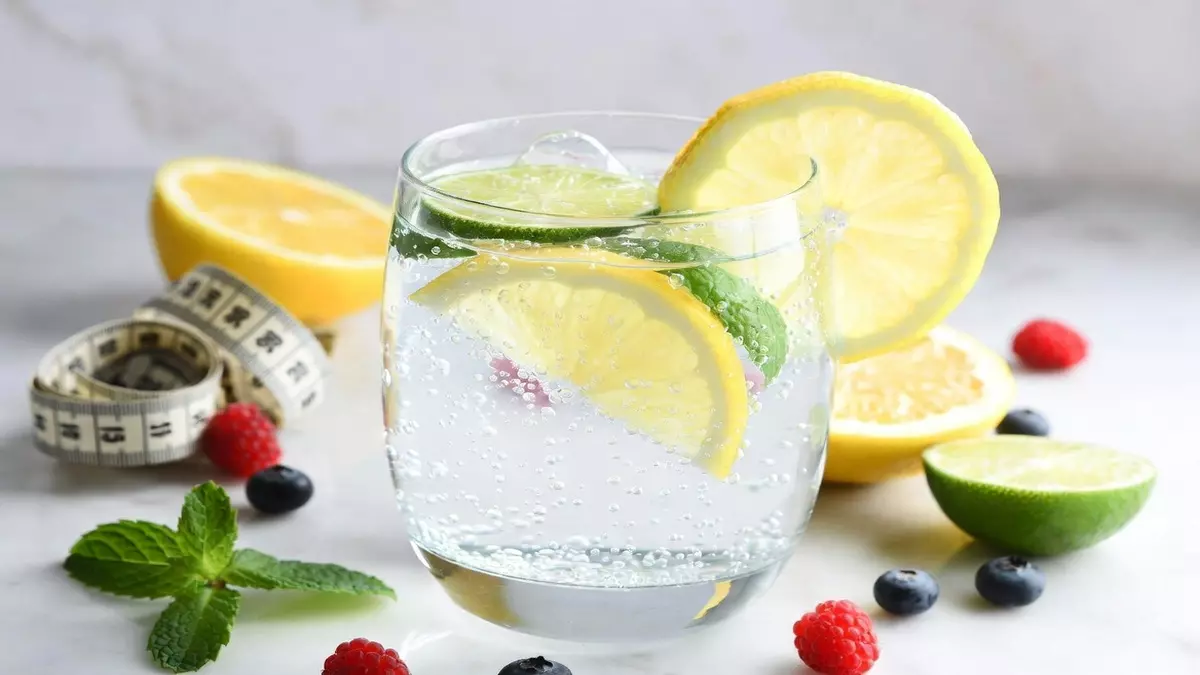
– **Flavor naturally**: Add fresh lemon, lime, cucumber, or mint instead of sugary syrups.
– **Track intake**: Use it to replace at least one sugary beverage daily for noticeable calorie savings.
– **Combine with movement**: Pair better hydration with regular physical activity for amplified results.
Reading labels is crucial—choose varieties with zero calories, no added sugars, and minimal sodium.
### Broader Lifestyle Factors That Matter Most
Sparkling water works best as part of a comprehensive approach. Weight management ultimately depends on overall calorie balance, nutrient-dense foods, quality sleep, stress management, and consistent exercise. No single drink replaces these fundamentals.
The U.S. Dietary Guidelines stress whole foods, limited added sugars, and balanced eating patterns. Sparkling water aligns well by supporting hydration and reducing liquid calories, but it shines brightest alongside vegetables, lean proteins, whole grains, and healthy fats.
### Comparing Sparkling Water to Other Beverages
– **Still water**: Excellent baseline, but less exciting for some.
– **Diet sodas**: Artificial sweeteners may affect cravings differently; evidence is mixed.
– **Herbal teas**: Calorie-free and soothing, but lack the refreshing fizz.
– **Infused waters**: Great natural flavor without carbonation.
Many find sparkling water strikes the perfect balance between enjoyment and health support.
### Common Myths About Sparkling Water and Weight
**Myth 1**: Sparkling water causes bone loss.
**Reality**: No strong evidence links plain carbonated water to reduced bone density when part of a calcium-rich diet.
**Myth 2**: It dehydrates you.
**Reality**: The fizz doesn’t counteract hydration benefits—your body absorbs it similarly to still water.
**Myth 3**: All sparkling waters are equal.
**Reality**: Check for added sugars, flavors, or sodium that could undermine benefits.
### Long-Term Benefits and Sustainability
Using sparkling water regularly can become a positive habit that supports long-term weight maintenance. It’s cost-effective, environmentally friendlier with reusable systems, and adaptable to different lifestyles. Many users report feeling more in control of their choices when they have satisfying alternatives to unhealthy drinks.
For athletes or active individuals, proper hydration with sparkling water can enhance recovery and performance without unnecessary calories.
### Conclusion: A Smart Sidekick for Weight Goals
Sparkling water won’t transform your body on its own, but it offers genuine, accessible support for hydration, fullness, and calorie control. By replacing sugary drinks and making water more appealing, it becomes a valuable daily habit that complements balanced eating and movement.
As experts like Matteo Bassetti remind us, sustainable changes come from practical, enjoyable choices rather than quick fixes. Next time you reach for a drink, consider the fizz. It might just help tip the scales in your favor—one refreshing glass at a time.
This simple swap proves that sometimes the smallest adjustments create the most meaningful progress toward healthier living.
### FAQ: Sparkling Water and Weight Loss
**1. Does sparkling water actually help with weight loss?**
It can support efforts by promoting hydration, increasing fullness for some people, and replacing high-calorie sugary drinks. Results depend on overall diet and habits.
**2. Is sparkling water better than still water for losing weight?**
Not necessarily better, but more appealing to many, which leads to higher intake. Both are excellent zero-calorie options.
**3. Can carbonated water cause digestive issues?**
Yes, it may trigger gas, bloating, or reflux in sensitive individuals. Start slowly and consult a doctor if you have IBS or similar conditions.
**4. What’s the best way to use sparkling water for weight management?**
Drink it before meals, use it to replace soda, and flavor naturally. Combine with a balanced diet and exercise for best results.
**5. Are flavored sparkling waters okay?**
Plain versions are ideal. Flavored ones should have no added sugar or calories—check labels carefully to avoid hidden ingredients.
**6. How much sparkling water should I drink daily?**
Aim for consistent hydration—many benefit from 8+ cups total fluid intake, with sparkling water as a tasty portion of that.
**7. Does sparkling water affect teeth or bones negatively?**
Plain varieties are generally safe for teeth and bones. Limit constant sipping of flavored acidic versions and maintain good dental care.
This evidence-based look at sparkling water shows how a simple beverage choice can contribute to smarter, more sustainable weight management.