
Table of Contents
- 1. The Physical Science Behind the Cold Water Bottle Trick
- 1.1. Superior Thermal Management
- 1.2. Assisting Your Body’s Natural Thermoregulation
- 2. Crucial Safety Guidelines for Chilled Applications
- 2.1. The Danger of the Deep Freeze
- 2.2. Preventing Ice Burns
- 3. The Cold Shower Mistake: Why Timing and Warmth Matter
- 3.1. The Vasoconstriction Rebound
- 3.2. The 90-Minute Rule
- 4. Optimizing Your Bedroom for Sleep Architecture
- 4.1. Finding the Ideal Temperature Window
- 4.2. How Heat Disrupts Sleep Cycles
- 5. Environmental Adjustments for a Cooler Sanctuary
- 6. Embracing a Simple, Low-Tech Solution
- 7. Frequently Asked Questions
- 7.1. Can I fill my hot water bottle with actual ice cubes instead of water?
- 7.2. How long will a chilled water bottle stay cold during the night?
- 7.3. Is it safe to leave a chilled water bottle in bed with a child?
- 7.4. Why do my feet feel so sensitive to temperature changes when trying to sleep?
- 7.5. Should I change my pillowcase material during the summer months?
1 Simple Trick to Cool Your Bed for Better Summer Sleep
That sticky, oppressive summer heat can turn a relaxing evening into an agonizing night of tossing and turning. The bedroom is dead quiet, the lights are switched off, yet the moment you climb under the covers, your sheets feel like they have been sitting under a heat lamp. For many, this suffocating environment makes deep, restful sleep feel completely out of reach.
Fortunately, one of the most effective solutions to combat hot summer nights is hiding in plain sight inside your bathroom or linen closet.
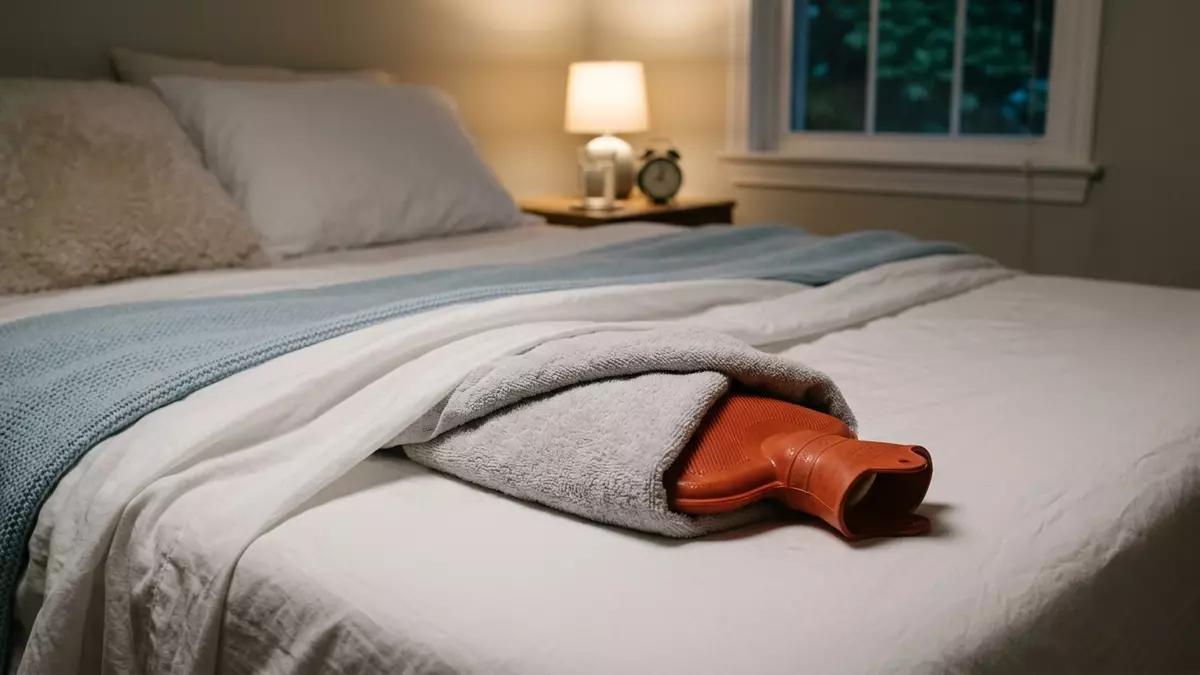
The traditional rubber hot water bottle that you rely on to stay cozy during freezing winter storms can easily be converted into an exceptional cooling pack for summer. This budget-friendly, low-tech hack provides your bed with a localized oasis of coolness for several hours, allowing you to drift off to sleep comfortably without sending your household electric bill skyrocketing.


1 Simple Trick to Cool Your Bed for Better Summer Sleep
The Physical Science Behind the Cold Water Bottle Trick
The methodology behind this seasonal adjustment is incredibly straightforward. By filling a standard rubber water bottle with cool tap water and placing it into the refrigerator for a few hours prior to heading to bed, you create a soft, flexible, and long-lasting cooling pack designed to counteract heavy, humid bedroom air.
Superior Thermal Management
Unlike placing a damp washcloth or a wet towel on your skin—which quickly loses its chill, dries out, and leaves behind a soggy, mold-inviting mattress—a chilled rubber water bottle holds its low temperature for hours. The thick rubber acts as a thermal barrier, slowing down the rate at which the interior water absorbs your body heat. Best of all, the water remains entirely sealed inside, ensuring you stay dry and comfortable while you sleep.
Assisting Your Body’s Natural Thermoregulation
As evening approaches, the human body naturally attempts to shed heat from its core to initiate the sleep cycle. However, when your bedroom air is hot and stagnant, this internal radiation process stalls, leaving your nervous system alert and restless.
Introducing a targeted cool object to your sleep environment—particularly near your feet—accelerates this core temperature drop. This localized cooling zone tricks your brain into a state of relaxation, making your entire body feel calmer without requiring you to blast the whole house with freezing air conditioning.
Crucial Safety Guidelines for Chilled Applications
While this hack is highly effective, manipulating rubber water bottles requires adherence to a few strict safety protocols to protect your body and preserve your equipment.

The Danger of the Deep Freeze
It is critical that you never place a water bottle completely filled with water into a deep freezer. As water transitions into solid ice, its molecular structure expands significantly. This intense internal pressure can easily stretch, warp, or crack the rubber composition.
A compromised bottle might not show immediate damage, but it could split open later in the year when you fill it with boiling water for winter warmth, resulting in dangerous scalding injuries. If you prefer to utilize ice cubes, choose small ones, leave plenty of open air space inside the bottle, and never let it freeze solid.
Preventing Ice Burns
According to consumer safety organizations like the Child Accident Prevention Trust, you should routinely inspect your seasonal bottles for microscopic splits, worn seams, and brittle leaks. Furthermore, never place a deeply chilled water bottle directly against bare skin. Just as boiling water can scald, an unprotected ice-cold object can cause painful ice burns or localized frostbite. Always wrap the exterior of the container in a soft household towel or a dedicated fabric sleeve before tucking it into your sheets.
The Cold Shower Mistake: Why Timing and Warmth Matter
When your home feels like an overheated oven after a brutal summer afternoon, the immediate instinct for many is to jump into an ice-cold shower right before climbing into bed. While this offers an instantaneous blast of relief, it actually backfires from a sleep-science perspective.
The Vasoconstriction Rebound
Exposing your skin to freezing water triggers rapid vasoconstriction, causing your blood vessels to slam shut and trap heat deep inside your body’s core. The moment you step out of the shower, your body overcompensates by pumping blood back to the surface, causing you to sweat and feel significantly hotter than you did before.
The 90-Minute Rule
To achieve real results, look to comprehensive data analyzed by researchers at The University of Texas at Austin. The scientific team, led by Shahab Haghayegh, reviewed decades of past data through a modern lens to understand how water temperature influences sleep onset.
[ 90 Minutes Before Bed ] ---> Warm Bath or Shower (104°F–109°F)
                                      │
                                      ▼
                       Triggers Increased Blood Flow
                                      │
                                      ▼
                        Accelerates Core Heat Loss
                                      │
                                      ▼
[ Bedtime ]               ---> Rapid Sleep Onset
The clinical consensus revealed that taking a warm bath or a lukewarm shower roughly 90 minutes before bedtime—utilizing water adjusted between 104°F and 109°F—actively supports the body’s natural circadian cooling process. The soothing warmth stimulates blood flow to your hands and feet, allowing your body to dump its core heat efficiently once you step out into the cooler bedroom air, helping you fall asleep noticeably faster.
Optimizing Your Bedroom for Sleep Architecture
Altering your immediate mattress environment is highly effective, but your overall bedroom air temperature still plays a defining role in your sleep quality.
Finding the Ideal Temperature Window
Data compiled across leading neurological studies and sleep organizations indicates that the human body achieves its most profound restorative rest when the surrounding air falls within a specific, cool window. The Sleep Foundation notes that most adults achieve optimal sleep when the thermostat sits between 65°F and 68°F, while alternative clinical guidance suggests aiming for a slightly broader zone of 59°F to 66°F.
How Heat Disrupts Sleep Cycles
Allowing your bedroom to overheat doesn’t just make you uncomfortable; it actively alters the internal architecture of your sleep. According to a research review indexed in the National Library of Medicine’s PubMed database, prolonged heat exposure during the night triggers frequent awakenings and drastically reduces the time your brain spends in slow-wave sleep and rapid eye movement (REM) sleep. Because these stages are critical for physical cellular repair, immune health, and vivid dreaming, a hot room can leave you waking up feeling mentally foggy and physically exhausted.
Environmental Adjustments for a Cooler Sanctuary
If you do not have access to an air conditioning system or want to save money on utility costs, you can pair your chilled water bottle with a few environmental adjustments:
Daytime Light Management: Keep all window blinds, solar shades, and heavy curtains completely closed during the sunniest peak afternoon hours to block radiant heat from entering your home.
Streamline Your Bedding: Store heavy quilts and synthetic comforters away until autumn. Switch exclusively to highly breathable, crisp percale cotton, bamboo, or linen sheets.
Strategic Fan Placement: While a fan is excellent for moving air, the CDC warns that fans should not be relied upon as your sole defense during extreme, dangerous public heat waves. However, on typical summer nights, placing a fan near an open window can pull in cool evening air and prevent stagnant heat from building up around your pillow.
| Cooling Strategy | Primary Function | Ideal Execution |
| Chilled Water Bottle | Creates a localized cooling zone in bed. | Place at the foot of the bed, wrapped in a towel. |
| Pre-Sleep Warm Shower | Accelerates core internal temperature drops. | Shower 90 minutes before bed using warm water. |
| Daytime Shade Control | Blocks radiant solar heat from entering the room. | Close all window blinds during peak afternoon hours. |
| Material Management | Prevents heat accumulation around the face. | Use highly breathable linen or bamboo pillowcases. |
Embracing a Simple, Low-Tech Solution
Ultimately, the best spot to tuck your wrapped, chilled water bottle is right at the foot of your bed. Placing it near your feet allows your body to take advantage of the high concentration of blood vessels located in your extremities, helping to gently lower your core temperature without placing an intensely cold object against highly sensitive skin areas.
While commercial blue gel ice packs can serve a similar purpose, the humble rubber water bottle holds a distinct advantage. It is completely silent, incredibly inexpensive, reusable for years, and likely already sitting unused in your household cupboards. It will never fully replace proper air conditioning or public cooling shelters during a hazardous regional weather crisis, but on an ordinary, muggy summer evening, this simple trick can easily bridge the gap between restless sweating and a peaceful, deeply restorative night of sleep.
Frequently Asked Questions
Can I fill my hot water bottle with actual ice cubes instead of water?
Yes, you can drop small or crushed ice cubes into the bottle, but you must exercise caution. Ensure the sharp edges of the ice do not puncture the inner lining, and never fill the container to the brim. Always add a splash of cold water alongside the ice to help distribute the temperature evenly, and wrap the exterior securely in a towel to shield your skin.
How long will a chilled water bottle stay cold during the night?
Depending on the baseline temperature of your bedroom and the thickness of your bedding, a properly refrigerated water bottle will generally maintain its refreshing, cool temperature for roughly three to four hours. This provides more than enough time to lower your core body temperature and help you drift completely off into deep sleep.
Is it safe to leave a chilled water bottle in bed with a child?
As long as the water bottle is cooled strictly in the refrigerator (never frozen solid), wrapped securely in a thick fabric cover, and inspected thoroughly for leaks or weak seams, it is safe. However, to ensure optimal comfort and safety, place the wrapped bottle near the bottom corners of their mattress rather than directly against their skin.
Why do my feet feel so sensitive to temperature changes when trying to sleep?
The hands and feet act as the body’s primary heat-distribution radiators. They contain specialized blood vessels called arteriovenous anastomoses, which are designed to route blood directly to the surface of the skin to dump excess heat. Cooling your feet directly triggers an efficient drop in your core internal temperature, signaling your brain that it is time to sleep.
Should I change my pillowcase material during the summer months?
Absolutely. Heavy synthetic fabrics like polyester trap body heat and sweat directly around your neck, head, and shoulders, which is a frequent cause of sudden 2 a.m. awakenings. Swapping to a natural, highly breathable fiber like long-staple cotton, linen, or pure silk allows heat to dissipate quickly, keeping your face cool throughout the night.