
Table of Contents
- 1. 1. Banana Peels
- 1.1. How to Use Them
- 2. 2. Spent Coffee Grounds
- 2.1. Soil Balancing Tips
- 3. 3. Pulverized Eggshells
- 3.1. Combating Blossom-End Rot
- 4. 4. Used Tea Leaves
- 5. 5. Leftover Vegetable Cooking Water
- 6. 6. Epsom Salt
- 6.1. The Power of Magnesium
- 7. 7. Untreated Wood Ash
- 7.1. Application Precautions
- 8. 8. Homemade Compost Tea
- 9. 9. Freshwater Aquarium Water
- 10. 10. Unsulfured Molasses
- 11. 11. Fresh Grass Clippings
- 11.1. Two Ways to Utilize Grass
- 12. 12. Human Hair and Pet Fur
- 13. Comparing Kitchen Fertilizer Options
- 14. Cultivating a Thriving, Eco-Friendly Garden
- 15. Frequently Asked Questions
- 15.1. Can I apply all twelve of these fertilizers to my indoor houseplants?
- 15.2. Will using kitchen scraps in my outdoor garden beds attract wild animals?
- 15.3. Is it possible to over-fertilize my plants using these natural options?
- 15.4. How often should I apply banana peel tea or vegetable water to my plants?
- 15.5. Do I need to wash my eggshells before putting them in the garden soil?
12 Natural Kitchen Scraps to Nourish Your Plants Today
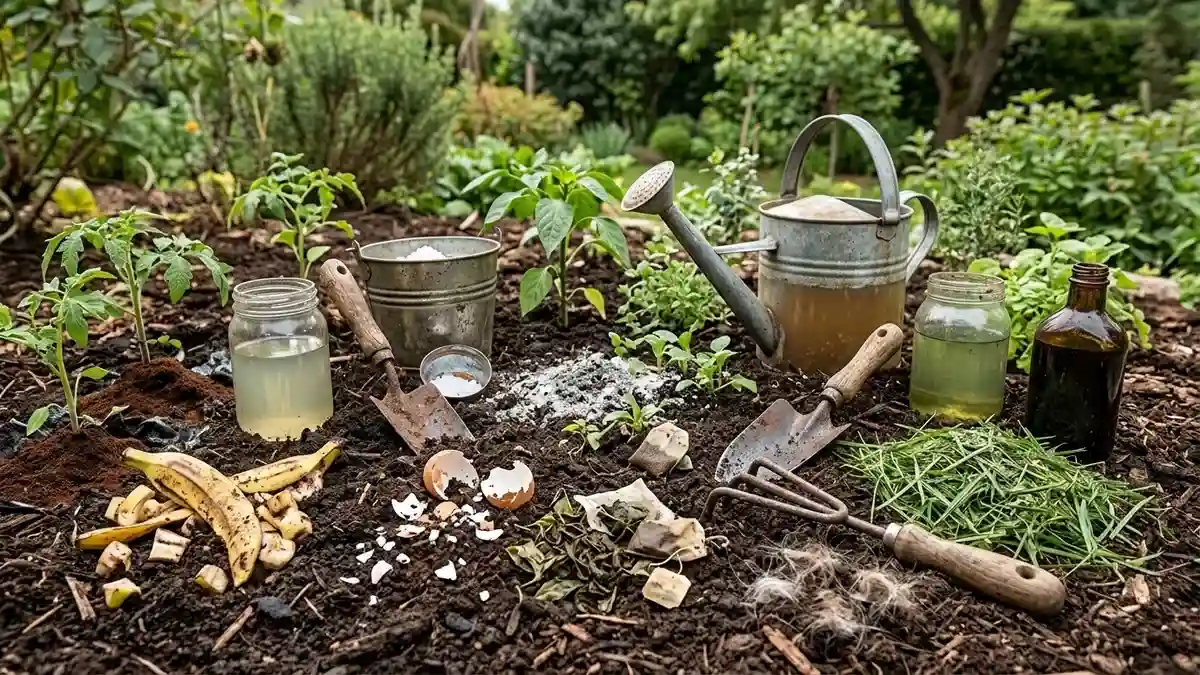
Before you scrape tonight’s dinner leftovers into the trash can, take a moment to consider your garden. Many of the everyday items we dismiss as mere food waste are actually packed with vitamins, minerals, and organic compounds that can transform your soil.
Turning your kitchen scraps into homemade fertilizers is a brilliant win-win for any homeowner. Not only does this sustainable practice keep organic waste out of local landfills, but it also allows you to cultivate a lush, vibrant garden without relying on synthetic, store-bought chemicals. Whether you are tending to indoor houseplants, managing a balcony container garden, or growing rows of backyard vegetables, these twelve household items can help you unlock spectacular plant growth with minimal effort.
12 Natural Kitchen Scraps to Nourish Your Plants Today
1. Banana Peels
Banana peels are an absolute treasure trove for your landscape. They are heavily loaded with potassium and phosphorus—two critical macronutrients that drive robust root networks, promote profuse flowering, and support heavy fruit development.
How to Use Them
Direct Burial: Chop the green or yellow peels into small, one-inch fragments and bury them a few inches deep directly around the root zones of your plants.
Liquid Infusion: Drop several peels into a jar of water and let them steep for three to five days. Strain out the liquid to create a nutrient-rich “banana tea” that serves as a gentle, hydrating tonic.
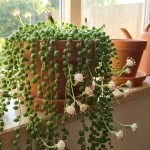
Your flowering shrubs, backyard pepper plants, and tomato vines will quickly reward you with an abundance of bright, healthy blossoms.
2. Spent Coffee Grounds
If you brew a fresh pot of coffee every morning, you have a steady supply of nitrogen-rich fertilizer ready to go. Used coffee grounds deliver a gentle, slow-release dose of nitrogen, which is the primary driver of lush, green, leafy foliage.
Soil Balancing Tips
Because coffee grounds are naturally slightly acidic, they are an exceptional match for acid-loving flora such as blueberries, azaleas, hydrangeas, and roses. To avoid compacting the soil or trapping too much moisture, always let the grounds dry completely before sprinkling them thinly around the base of your plants. Alternatively, toss them straight into your backyard compost bin to build a rich, dark soil amendment over time.
3. Pulverized Eggshells
Eggshells offer a fantastic, completely natural supply of calcium carbonate. Calcium is a vital structural mineral that reinforces plant cell walls, helping your vegetation grow sturdy and resilient against environmental stressors.
Combating Blossom-End Rot
A calcium deficiency in the soil is the leading cause of blossom-end rot—a frustrating condition that causes the bottoms of tomatoes, peppers, and squashes to turn black and velvety. To protect your harvest, rinse your empty eggshells thoroughly and let them air-dry. Crush them into tiny fragments or grind them into a fine powder using a clean blender for much faster soil absorption. Mix the powder directly into your potting soil or vegetable beds during spring planting.
4. Used Tea Leaves
Whether you prefer loose black tea or green tea bags, your discarded leaves are packed with valuable trace minerals and organic nitrogen. When integrated into your garden beds, tea leaves gently break down to feed the soil while simultaneously improving its overall drainage and physical texture.
Important Safety Note: Before emptying your tea bags or loose leaves into the dirt, ensure the blend is entirely free from synthetic flavorings, artificial sweeteners, or added refined sugars. If you are using traditional tea bags, verify that the bag material is made from biodegradable paper rather than plastic mesh before burying it.
5. Leftover Vegetable Cooking Water
The next time you boil a pot of potatoes, carrots, broccoli, or asparagus, don’t let that nutrient-dense liquid escape down the kitchen sink. As vegetables cook, vital minerals like potassium, calcium, and magnesium naturally leach into the surrounding water.
Once the liquid has cooled down completely to room temperature, use it to irrigate your indoor houseplants or outdoor raised beds. It serves as a fantastic, zero-cost liquid multivitamin for your soil. However, ensure the water is completely unsalted, as heavy sodium accumulation can easily dehydrate plant roots and permanently damage your soil’s structure.
6. Epsom Salt
Though technically a household staple found in the bathroom rather than the kitchen pantry, Epsom salt is highly prized by experienced gardeners. Unlike standard table salt, Epsom salt is made of magnesium sulfate, two minerals that play a fundamental role in plant vitality.
The Power of Magnesium
Magnesium is a core component of chlorophyll, meaning it directly fuels the process of photosynthesis and aids in successful seed germination. Sulfur, on the other hand, assists with essential enzyme production.
To give your garden a boost, dissolve one tablespoon of Epsom salt into a gallon of water. You can apply this solution directly as a deep soil drench or use a spray bottle to apply it as a foliar mist. Peppers, tomatoes, and roses respond exceptionally well to this targeted treatment.
7. Untreated Wood Ash
If you own a wood-burning stove or enjoy gathering around a backyard fire pit, the leftover ashes can be used to enrich your garden layout. Pure wood ash is a potent source of potassium and calcium. Additionally, its highly alkaline nature makes it an excellent, chemical-free tool for raising the pH of overly acidic or “sour” garden soils.
Application Precautions
Only use ash derived from clean, untreated, and unpainted wood. Never use ash from charcoal briquettes or pressure-treated lumber.
Apply it with a light touch; spreading it too thickly can inadvertently create an overly alkaline environment that locks out other essential nutrients.
8. Homemade Compost Tea
Compost tea is frequently celebrated by organic growers as liquid gold for the garden. This potent solution is created by placing a few scoops of fully matured, broken-down backyard compost into a porous burlap sack and steeping it in a bucket of water for two to three days.
The resulting amber-colored liquid is teeming with millions of beneficial soil microbes, fungi, and readily absorbable nutrients. Once you strain out the solid matter, pour this liquid directly around young seedlings, potted container gardens, or weathered, stressed plants that require a gentle, immune-boosting pick-me-up.
9. Freshwater Aquarium Water
If you own a freshwater fish tank, cleaning day just became a major win for your garden. The water you siphon out of your aquarium is a premium, ready-to-use liquid fertilizer.
Fish waste and uneaten food naturally break down into a highly bioavailable form of nitrogen, while the tank environment breeds beneficial nitrifying bacteria. Instead of dumping this valuable resource down the drain, save it to water your indoor foliage and outdoor ornamental beds. Just ensure the tank has never been treated with chemical fish medications or marine salts, which can harm delicate plant roots.
10. Unsulfured Molasses
While molasses is a popular ingredient for baking gingerbread and cookies, it also serves as an exceptional superfood for your garden’s underground ecosystem. Molasses does not directly feed the plant itself; instead, its dense carbohydrate and sugar content feeds the beneficial bacteria and microbes residing within the soil matrix.
By boosting the local microbial population, you accelerate the natural decomposition of organic matter, which in turn allows your plants to absorb existing nutrients with far greater efficiency. Simply mix one tablespoon of unsulfured molasses into a standard watering can filled with water once every few weeks for a noticeable boost in overall soil vitality.
11. Fresh Grass Clippings
A beautifully manicured lawn can easily double as a free fertilizer source. Freshly mowed grass clippings are incredibly rich in nitrogen, making them a stellar, fast-acting addition to your garden beds.
Two Ways to Utilize Grass
As an Organic Mulch: Spread a thin, two-inch layer of green clippings around the base of your vegetable plants to trap soil moisture, suppress stubborn weed growth, and steadily release nitrogen as they decompose.
As a Compost Accelerator: Mix dried, brown grass clippings into your compost pile to perfectly balance the carbon-to-nitrogen ratio, heating up the pile for faster breakdown.
Always ensure the grass clippings are sourced from lawns that have not been treated with synthetic chemical weed-killers or pre-emergent herbicides, as these residual chemicals can easily stunt or kill sensitive garden vegetables.
12. Human Hair and Pet Fur
It might sound a bit unconventional at first, but saving the contents of your hairbrush or your pet’s grooming brush is an excellent way to practice zero-waste gardening. Human hair and animal fur are composed of keratin, a durable protein that is highly concentrated in nitrogen.
Because hair is structurally tough, it decomposes very slowly over an extended period, acting as a reliable, long-term time-release fertilizer. When you are potting up new plants or turning over your garden beds, simply mix small clumps of hair directly into the soil. Beyond adding valuable nutrients over time, the physical fibers help loosen heavy clay soils, improving overall aeration and root penetration.
Comparing Kitchen Fertilizer Options
| Fertilizer Source | Primary Nutrient Provided | Best Suited For | Application Frequency |
| Banana Peels | Potassium & Phosphorus | Peppers, Tomatoes, Roses | Monthly |
| Coffee Grounds | Nitrogen | Blueberries, Hydrangeas | Sparingly every 4–6 weeks |
| Eggshells | Calcium | Tomatoes, Peppers, Squash | Once per planting season |
| Epsom Salt | Magnesium & Sulfur | Roses, Nightshade Vegetables | Every 2–3 weeks |
| Aquarium Water | Nitrogen & Beneficial Bacteria | Houseplants, Flower Beds | Every watering session |
Cultivating a Thriving, Eco-Friendly Garden
Nourishing a beautiful garden does not require a trip to the home improvement store for expensive, synthetic chemical fertilizers. By looking closely at your daily household waste, you can easily tap into a sustainable, continuous supply of premium plant nutrition. From nitrogen-packed coffee grounds and potassium-rich banana teas to calcium-dense eggshell powders, these everyday kitchen items provide a gentle, slow-release approach to plant care. Start incorporating these simple, zero-waste swaps today, and enjoy a healthier, chemical-free home harvest.
Frequently Asked Questions
Can I apply all twelve of these fertilizers to my indoor houseplants?
Most of these options, such as vegetable cooking water, cooled coffee grounds, banana tea, and aquarium water, work beautifully for indoor plants. However, you should use items like fresh grass clippings, wood ash, or direct food scraps outdoors, as they can attract gnats or create unwanted odors in a confined indoor living space.
Will using kitchen scraps in my outdoor garden beds attract wild animals?
It can if the scraps are left sitting directly exposed on top of the soil. To prevent local dogs, raccoons, or rodents from digging up your garden beds, always chop food scraps finely, bury them at least 4 to 6 inches deep within the soil profile, and cover the area with a solid layer of wood mulch or finished compost.
Is it possible to over-fertilize my plants using these natural options?
While organic, homemade options are significantly gentler than highly concentrated synthetic chemical fertilizers, over-application can still cause issues. For instance, adding too much wood ash can throw your soil’s pH out of balance, and dumping excessive coffee grounds can trap too much moisture and invite mold. Always use a moderate touch and monitor your plants’ reactions.
How often should I apply banana peel tea or vegetable water to my plants?
You can safely use unsalted vegetable boiling water or diluted banana peel tea every two to three weeks during the active spring and summer growing season. During the quiet winter dormancy period, cut back applications to once a month or halt them entirely.
Do I need to wash my eggshells before putting them in the garden soil?
Yes, it is highly recommended to rinse eggshells thoroughly with clean water to remove any residual raw egg whites or inner membrane fluid. Leaving raw egg residue on the shells can create a foul odor as they dry and potentially attract unwanted pests to your garden layout.