
Table of Contents
**Master Beet Cooking: Unlock Flavor and Nutrition**
Beets are quietly stealing the spotlight in home kitchens across America. These vibrant root vegetables bring natural sweetness, hearty texture, and impressive health perks to everyday meals. Yet many cooks unknowingly diminish their best qualities through common preparation mistakes. The way you cook beets truly makes all the difference between a bland, watery side dish and a flavorful, nutrient-packed superstar.
By understanding a few key principles, you can transform this humble vegetable into something special. Whether you’re aiming for maximum nutrient retention, deeper sweetness, or simple convenience, smart techniques protect what matters most: color, taste, and beneficial compounds. Let’s explore how to cook beets the right way for delicious results every time.
Master Beet Cooking Unlock Flavor and Nutrition

### Why the Skin Stays On: Nature’s Protective Jacket
One of the most important rules for cooking beets is keeping the skin intact until after they’re fully cooked. This thin outer layer acts like a natural barrier, sealing in juices, natural sugars, vibrant pigments, and water-soluble nutrients during the heating process.
Start by giving fresh beets a thorough rinse under cool running water, scrubbing away any dirt since they grow underground. The FDA emphasizes washing all produce before preparation, and root vegetables especially benefit from this step. Avoid peeling or trimming the beets excessively at the beginning—leave the root tail and stem stub attached to minimize openings where goodness could escape.

Once cooked, the skin slips off easily with your fingers or a paring knife under cool water if needed. This simple habit preserves more of the beet’s earthy-sweet essence and helps maintain that stunning deep red or golden hue, depending on the variety.
### Skip the Early Chop: Whole Is Better for Flavor and Texture
It might seem efficient to dice or slice beets before cooking to speed things up, but this shortcut often backfires. Every cut increases the surface area exposed to water, heat, or air, allowing more nutrients, color, and flavor compounds to leach out.

Cooking beets whole takes a bit longer but delivers superior results. The interior stays protected, resulting in better texture that’s firm yet tender, not mushy. Home cooks who switch to whole-beet methods frequently report richer taste and less staining mess in the kitchen.
This approach aligns with how professional chefs and nutrition experts prepare beets for salads, bowls, and sides. Patience here pays off with beets that hold up beautifully in dishes rather than falling apart.
### Gentle Boiling: The Classic Method Done Right
Boiling remains a popular choice for its simplicity, but technique matters. Place unpeeled whole beets in a pot and cover with cold water—just enough to submerge them without excess. Bring the water to a gentle boil rather than a vigorous rolling one, which can break down textures faster.
Cooking time typically ranges from 30 to 60 minutes, depending on beet size. Test doneness by piercing with a knife; it should slide in easily. Adding a modest pinch of salt to the water can enhance natural sweetness and help stabilize color without overpowering the beet’s own flavor profile.
Remember, the cooking liquid itself holds value. That ruby-red water can flavor rice, pasta, or broths, reducing waste while adding subtle earthiness and color to other recipes.
### Steaming: The Top Choice for Nutrient Preservation
When nutrient retention tops your priority list, steaming shines as one of the best methods. Unlike boiling, where water-soluble vitamins and minerals can migrate into the cooking liquid, steaming keeps more of those compounds locked inside the beet.
Iowa State University Extension highlights how steaming vegetables generally preserves flavor, color, and texture better than submersion in water. Beets contain valuable fiber, folate, potassium, and betalains—the pigments responsible for their striking red-purple tones. Folate, in particular, is sensitive to prolonged high heat and water exposure, making gentler methods advantageous.
A 2017 study led by researchers including Juliana Arruda Ramos examined various cooking approaches for beets, including steaming, pressure cooking, baking, and boiling. Results showed that cooking methods influence pigment levels like betalains, though overall antioxidant activity often remains stable. Steaming consistently ranks high for maintaining nutritional integrity.
To steam beets at home, use a steamer basket over simmering water. Keep them whole and unpeeled for optimal results, checking tenderness after 30-45 minutes. This method works wonderfully for meal prep and supports a vegetable-forward lifestyle.
### Roasting: Concentrate Sweetness with Dry Heat
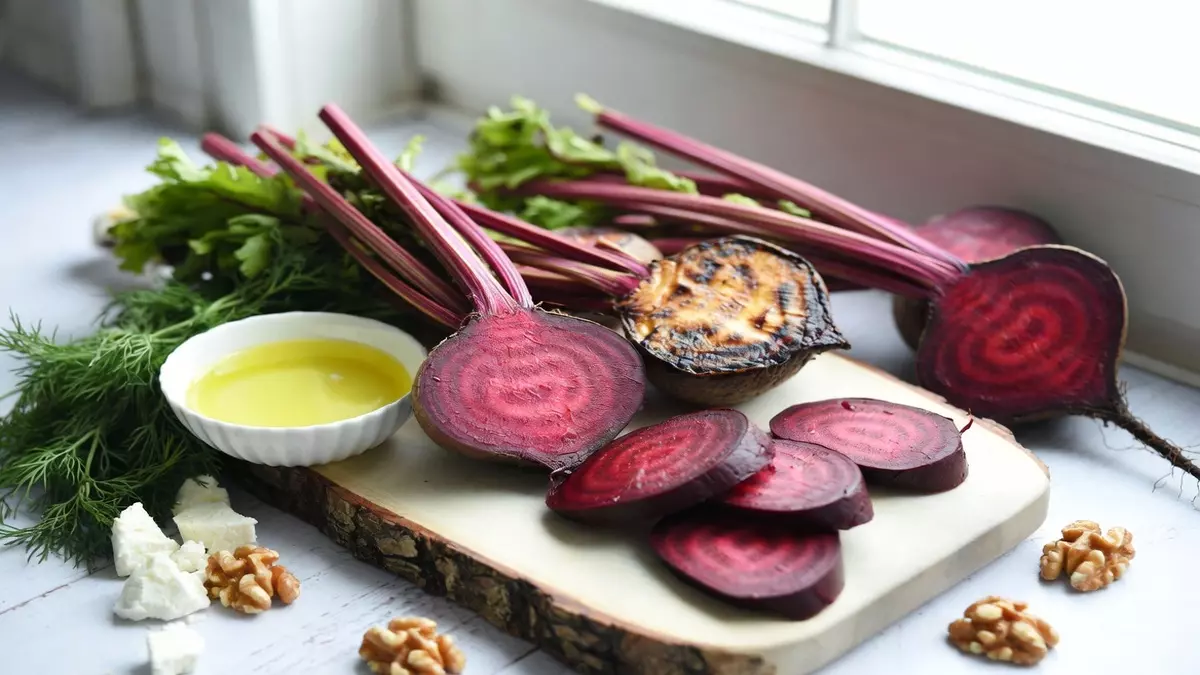
For unbeatable flavor, roasting often takes the crown. Dry heat caramelizes the beet’s natural sugars, creating a deeper, richer sweetness that boiled versions simply can’t match. Roasted beets develop a satisfying caramelized exterior while staying tender inside.
The ideal home technique involves cooking them whole and unpeeled. Wrap loosely in foil or place in a covered baking dish to trap steam and prevent drying out. Preheat your oven to around 350-400°F (avoid excessively high temperatures that could scorch sugars and create bitterness). Depending on size, roasting takes 45-75 minutes.
This method shines in dishes paired with goat cheese, citrus segments, toasted walnuts, fresh herbs, or hearty grains. The concentrated flavors make roasted beets versatile for everything from elegant dinner parties to quick weekday lunches.
### Post-Cooking Essentials: Cooling, Peeling, and Smart Storage
Resist the urge to shock cooked beets under cold running water unless you’re in a real time crunch. Allowing them to cool naturally helps the texture firm up and prevents excess water from making them soggy.
Peel only after cooking—the skin comes away cleanly, and the flesh holds its shape better for slicing or dicing. Store prepared beets in the refrigerator for several days, making them ideal for batch cooking.
Cooked beets elevate simple meals: toss them into salads, blend into smoothies, puree for soups, or add to grain bowls. Their natural sweetness balances tangy vinaigrettes, creamy cheeses, and savory proteins like chicken or salmon.
### The Science Behind Beet Benefits
Understanding the “why” behind these methods adds motivation to cook smarter. According to USDA SNAP-Ed resources, one medium beet provides about 35 calories, 2 grams of fiber, and 6 grams of natural sugars. This nutrient density makes beets a smart addition to balanced plates.
Beets also deliver dietary nitrates, compounds linked to health support. A review in The Journal of Nutrition analyzed multiple clinical trials and found that inorganic nitrate from beetroot and beet juice was associated with modest reductions in systolic blood pressure.
More recent research from the University of Exeter explores how nitrate-rich foods influence the oral microbiome in beneficial ways, particularly for older adults. As experts note, these dietary patterns can support overall wellness when part of a varied diet.
While cooking can reduce certain pigments, many beneficial properties remain accessible. The key is choosing methods that minimize unnecessary losses, such as whole cooking with skin on and preferring steaming or roasting over prolonged aggressive boiling.
### Making Beets Part of Your Routine
Incorporating beets doesn’t require fancy equipment or chef skills. Start with high-quality fresh beets from your local market or garden. Experiment with colors—red, golden, or striped varieties—for visual appeal and subtle flavor differences.
Common pitfalls to avoid include overcooking, which leads to mushiness and faded color, and discarding nutrient-rich cooking liquids. For busy weeks, roast a big batch on Sunday and enjoy throughout the week in various preparations.
Creative ideas include:
– Roasted beet and quinoa salad with feta and pistachios
– Beet hummus blended with garlic and tahini
– Pickled beets for sandwiches and charcuterie boards
– Borscht-inspired soups using the cooking water
– Simple sides drizzled with olive oil, sea salt, and fresh dill
These approaches turn beets from an occasional novelty into a reliable kitchen staple.
### Conclusion: Small Changes, Big Rewards
Cooking beets well comes down to respecting their natural qualities. Keep the skin on, cook them whole when possible, choose gentle heat, and handle them thoughtfully after cooking. Whether you steam for nutrients, roast for sweetness, or boil for convenience, these habits protect flavor, color, and goodness.
The result? Beets that taste vibrant, feel satisfying, and contribute meaningfully to your meals. This isn’t about complicated techniques—it’s about smarter choices that honor what beets already offer. Once you experience perfectly cooked beets, you’ll wonder why you ever settled for less. Your plates (and your body) will thank you.
### FAQ: Your Beet Cooking Questions Answered
**1. What’s the absolute best way to cook beets for nutrients?**
Steaming whole, unpeeled beets is widely recommended for superior nutrient retention, especially water-soluble vitamins and minerals. It minimizes leaching compared to boiling while preserving color and texture.
**2. Can I cook beets in an Instant Pot or air fryer?**
Yes! Pressure cooking (like in an Instant Pot) works well for speed—cook whole beets on high pressure for 15-25 minutes depending on size. Air frying smaller beets or wedges at 375°F for 20-30 minutes creates crispy edges similar to roasting.
**3. How do I prevent my hands and cutting board from staining?**
Wear gloves when handling raw beets, and rub surfaces with salt or lemon juice before washing. Cooking whole reduces initial mess, and peeling afterward is cleaner.
**4. Are raw beets healthier than cooked ones?**
Both have benefits. Raw beets offer maximum nitrates and crunch for salads, but cooking improves digestibility and can enhance certain antioxidant availability. A mix of both is ideal.
**5. How long do cooked beets last in the fridge?**
Properly stored in an airtight container, cooked beets keep for 4-5 days. You can also freeze them for up to 3 months, though texture may soften slightly upon thawing.
**6. Why do my roasted beets taste bitter sometimes?**
High heat or cutting them too small before roasting can cause sugars to burn. Stick to moderate oven temperatures and whole beets for the sweetest results.
**7. Can I use beet greens too?**
Absolutely—the tops are edible and nutritious! Sauté them like Swiss chard or add to pestos for zero-waste cooking.
This comprehensive approach to beet preparation ensures you get the most from every purchase, turning a simple root into a highlight of your healthy eating routine.