
Table of Contents
**U.S. Experts Urge Seniors Over 65 to Eat More Seafood**
As we grow older, making smart food choices becomes one of the most effective ways to stay strong, energetic, and independent. Recent guidance from U.S. health authorities, including the USDA’s MyPlate program, highlights a simple yet powerful recommendation for adults over 65: eat more seafood.
This nutrient-packed food group offers benefits that directly support healthy aging. From preserving muscle mass to protecting heart and brain function, seafood delivers essential nutrients in forms that are easy for older bodies to use. Whether fresh, frozen, or canned, incorporating fish and shellfish can make a meaningful difference in daily wellness and long-term vitality.

U.S. Experts Urge Seniors Over 65 to Eat More Seafood

### The Growing Need for Better Nutrition After 65
Aging brings natural changes that affect how our bodies process food and maintain strength. Muscle mass gradually declines—a condition known as sarcopenia—making everyday activities more challenging. Bone density decreases, increasing fracture risk, while inflammation can rise and cognitive sharpness may fluctuate.
The USDA’s MyPlate guidelines specifically encourage older adults to prioritize seafood as part of a balanced plate. It provides high-quality, easily digestible protein along with unique fats, vitamins, and minerals that many seniors find difficult to obtain from other sources. By adding seafood regularly, older adults can better meet protein needs while supporting multiple aspects of health without excess calories or saturated fat.

### Key Health Benefits of Seafood for Older Adults
**High-Quality Protein for Muscle Maintenance**
Seafood supplies complete protein that helps counteract age-related muscle loss. Maintaining muscle supports balance, mobility, and independence, reducing the risk of falls and frailty. Unlike some other protein sources, fish is often gentler on the digestive system, making it ideal for seniors.
**Omega-3 Fatty Acids for Heart and Brain Health**
Fatty fish such as salmon, mackerel, sardines, and trout are rich in EPA and DHA omega-3s. These healthy fats help reduce inflammation, support cardiovascular function, and may lower the risk of heart disease—a leading concern for those over 65. Research also links omega-3s to better cognitive performance and mood stability, helping seniors stay mentally sharp.

**Vitamin D and Bone Support**
Many older adults have insufficient vitamin D, which is crucial for calcium absorption and bone strength. Seafood, particularly fatty varieties and canned fish with edible bones like sardines, provides a natural source. Combined with minerals like selenium, it offers comprehensive support for skeletal health.
**B Vitamins and Energy Metabolism**
Seafood is an outstanding source of B12, a nutrient whose absorption often declines with age. Adequate B12 helps maintain energy levels, nerve function, and red blood cell production. Other B vitamins in fish further aid metabolism and overall vitality.
**Additional Protective Nutrients**
Selenium and iodine found in many seafood options act as antioxidants and support thyroid function, which plays a key role in metabolism and energy regulation.
By following MyPlate recommendations, seniors can enjoy these benefits while keeping meals satisfying and varied.
### Easy and Practical Ways to Add Seafood to Your Routine
Incorporating seafood doesn’t require fancy cooking skills or expensive ingredients. Many convenient options fit seamlessly into everyday life:
**Stock Your Pantry with Canned and Shelf-Stable Choices**
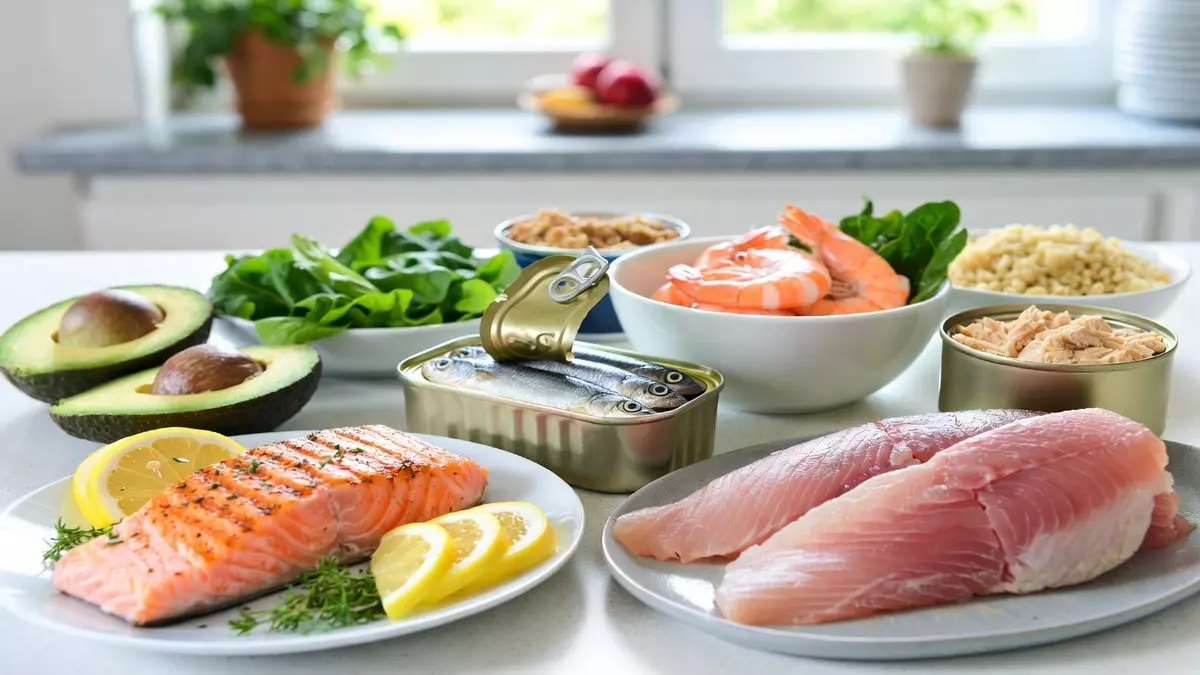
Canned tuna, salmon, sardines, and crab meat are nutritious, affordable, and ready to use. Mix canned salmon into a quick salad with greens and olive oil, or spread tuna on whole-grain bread for a simple lunch. These items retain their nutrients and offer a reliable protein boost on busy days.
**Use Frozen Fish for Quick Meals**
Frozen fillets of cod, tilapia, haddock, or trout are budget-friendly and cook in minutes. Bake them with lemon, garlic, and herbs, or add shrimp to a vegetable stir-fry. Freezing preserves quality, so you can always have healthy options on hand without frequent shopping trips.
**Build Familiar Favorites with a Seafood Twist**
Top your usual salad with grilled shrimp or flaked canned fish. Stir crab meat into scrambled eggs or omelets. Add tuna or salmon to pasta dishes with tomatoes and spinach. These small upgrades transform ordinary meals into nutrient powerhouses.
**Aim for One or Two Servings Weekly**
Health experts suggest including seafood at least twice a week. Even modest portions deliver significant benefits over time. Start small if you’re new to it—perhaps one serving and gradually increase as you discover enjoyable preparations.
**Simple Recipe Ideas for Seniors**
– **Lemon Herb Baked Salmon**: Season fillets with fresh herbs, lemon juice, and a touch of olive oil. Bake at 400°F for 12-15 minutes.
– **Sardine Avocado Toast**: Mash avocado on whole-grain toast and top with sardines for a quick, brain-healthy breakfast.
– **Tuna Vegetable Bowl**: Combine canned tuna with chopped vegetables, quinoa or brown rice, and a light dressing.
– **Shrimp Stir-Fry**: Sauté shrimp with mixed vegetables and serve over cauliflower rice for a low-carb option.
These approachable recipes require minimal prep and cleanup, making them practical for daily living.
### Addressing Common Concerns About Seafood
Many seniors wonder about safety, mercury levels, and preparation. The USDA and FDA provide clear guidance: most adults, including older ones, can safely enjoy a variety of seafood. Choose lower-mercury options like salmon, sardines, shrimp, and canned light tuna more frequently. Limit high-mercury fish such as swordfish or king mackerel.
Allergies are another consideration—those with shellfish allergies can focus on finfish. For sustainability and quality, look for wild-caught or responsibly farmed options when possible. Canned and frozen varieties often provide the same nutritional profile as fresh at a lower cost.
If you take blood-thinning medications, consult your healthcare provider about omega-3 intake, though moderate seafood consumption is generally well-tolerated.
### Building a Balanced MyPlate Approach for Healthy Aging
The MyPlate model encourages filling half your plate with fruits and vegetables, a quarter with grains, and a quarter with protein—including seafood. Pairing seafood with colorful produce and whole grains creates meals that nourish the body comprehensively.
Staying hydrated, staying active with walking or light strength training, and getting regular check-ups complement these dietary choices. Small, consistent habits compound into better strength, clearer thinking, and greater enjoyment of later years.
### Conclusion: Small Changes for Big Results in Senior Years
U.S. health experts are clear: seafood deserves more attention in the diets of adults over 65. Its unique combination of protein, omega-3s, vitamin D, and B vitamins addresses many age-related nutritional gaps in practical, delicious ways.
Whether you prefer the convenience of canned options or the freshness of grilled fillets, adding seafood even a couple of times weekly can help maintain muscle, protect your heart, support brain function, and promote overall independence. The USDA’s MyPlate guidance reminds us that good nutrition isn’t about restriction—it’s about empowering yourself to live fully at every stage of life.
Start with one easy swap this week. Your body and mind will thank you for years to come.
### FAQ: Seafood for Seniors Over 65
**How much seafood should seniors eat each week?**
The USDA recommends at least two servings of seafood per week. A serving is typically 3-4 ounces of cooked fish or shellfish.
**Is canned seafood as healthy as fresh?**
Yes. Canned and frozen seafood retain excellent nutritional value, including omega-3s and protein. They are often more affordable and convenient for regular use.
**Which types of fish are best for older adults?**
Fatty fish like salmon, sardines, mackerel, and trout offer the most omega-3 benefits. Lower-mercury options such as shrimp, cod, and tilapia are also excellent choices.
**Can seafood help with arthritis or joint pain?**
The anti-inflammatory properties of omega-3 fatty acids may help reduce joint discomfort and stiffness, making seafood a supportive food for many with arthritis.
**What if I don’t like the taste of fish?**
Start with milder options like cod or tilapia prepared with familiar flavors such as lemon, garlic, or herbs. Canned varieties mixed into salads or casseroles can be less “fishy” and still provide benefits.
**Are there any risks for seniors eating seafood?**
When following guidelines for variety and moderation, risks are low. Those with specific medical conditions or allergies should consult their doctor for personalized advice.
Embracing seafood as part of a thoughtful diet supports healthier, more vibrant years ahead.