
Table of Contents
- 1. The Magnitude of the Connection
- 2. Defining the Insomnia-Dementia Relationship
- 3. Why Sleep Matters for the Brain
- 3.1. Key Research Findings
- 4. Addressing the Crisis: Treatment Over Quick Fixes
- 5. Implications for Families
- 6. Frequently Asked Questions (FAQ)
- 6.1. 1. Does having insomnia mean I will get dementia?
- 6.2. 2. Is it normal to have trouble sleeping as I get older?
- 6.3. 3. What is the difference between “trouble sleeping” and “insomnia”?
- 6.4. 4. Can treating insomnia improve my brain health?
- 6.5. 5. What is Cognitive Behavioral Therapy for Insomnia (CBT-I)?
Chronic Insomnia: A Hidden Link to Dementia Risk?
For many older adults, a restless night is often dismissed as a standard, albeit frustrating, byproduct of aging. However, a growing body of neurological research suggests that persistent sleep disruption is far more than just a nocturnal nuisance. Increasingly, experts are viewing chronic insomnia as a significant public health indicator—one that may be tethered to the future development of dementia for hundreds of thousands of Americans.

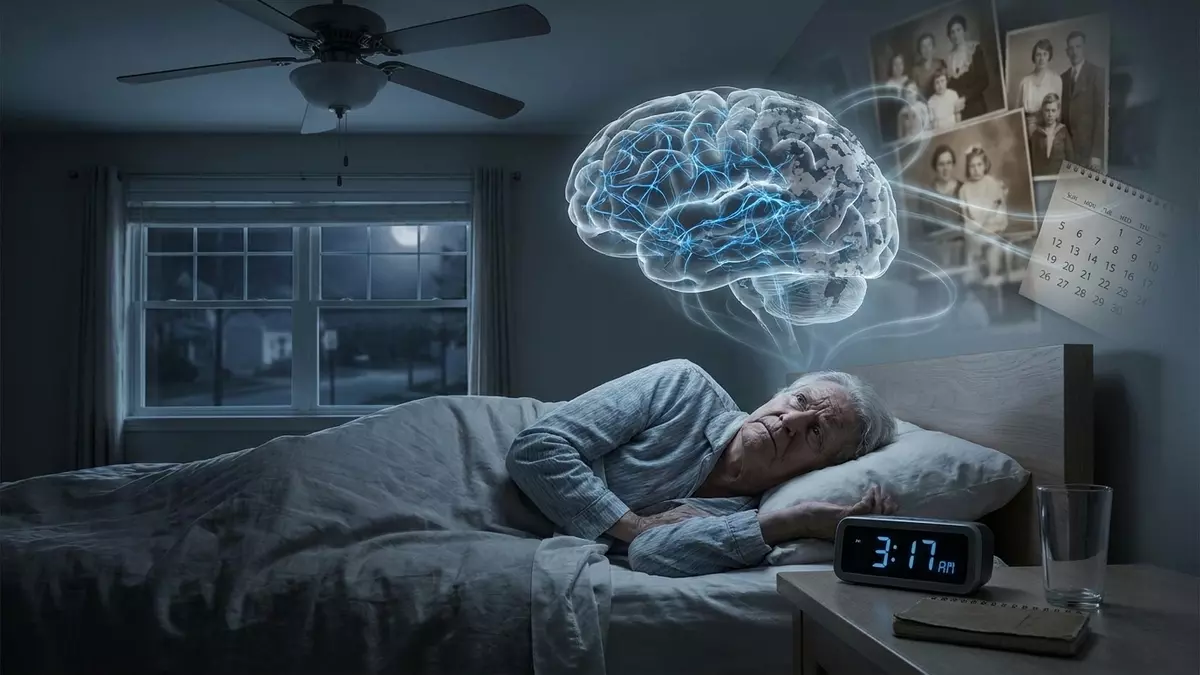
Chronic Insomnia A Hidden Link to Dementia Risk
The Magnitude of the Connection
A recent study led by researchers at Massachusetts General Hospital, in collaboration with the Harvard Chan School of Public Health and other institutions, has provided a sobering perspective on this link. By analyzing 2022 survey data from nearly 5,900 Americans aged 65 and older, the team estimated that roughly 12.5% of dementia cases—amounting to approximately 449,000 cases that year—could be associated with insomnia.
While researchers emphasize that this is a population-level calculation rather than a diagnostic prediction for any specific individual, the data underscores a critical point: sleep health is intrinsically tied to brain health.

Defining the Insomnia-Dementia Relationship
It is a mistake to view insomnia as “normal” aging. According to the National Institute on Aging, insomnia—defined as persistent trouble falling or staying asleep, or waking up too early—often serves as a signal of underlying issues. These triggers can range from chronic pain and medication side effects to stress and other sleep disorders.
The relationship between sleep and brain health is complex and likely bidirectional. This means that:
Sleep disruption may contribute to cognitive decline: Poor sleep may interfere with the brain’s ability to repair itself, manage stress, and consolidate memories.
Dementia may cause sleep disruption: The biological changes associated with Alzheimer’s disease can actively disrupt the brain’s sleep-wake cycles, creating a feedback loop that exacerbates both conditions.

Why Sleep Matters for the Brain
Research published in The Lancet Neurology highlights that sleep disturbances may contribute to cognitive decline through several mechanisms, including inflammatory changes in the body. When we sleep, the brain is not merely “resting”; it is performing vital maintenance. Ongoing research aims to determine if addressing sleep issues early can act as a form of preventative medicine for the aging brain.
Key Research Findings
Persistent Patterns: A 2018 meta-analysis published in Sleep Medicine Reviews identified a consistent pattern across multiple studies: individuals reporting chronic sleep disturbances showed a statistically higher risk of developing dementia over time.
Early Warning Signs: A 2025 study involving 2,750 cognitively healthy older adults, highlighted by the American Academy of Neurology, found that chronic insomnia was linked to a higher risk of progressing to mild cognitive impairment or dementia. Lead author Diego Carvalho suggested that chronic insomnia might serve as an “early warning sign” or even a direct contributor to future cognitive issues.

Addressing the Crisis: Treatment Over Quick Fixes
With the Alzheimer’s Association estimating that 7.4 million Americans age 65 and older are living with Alzheimer’s dementia in 2026, finding treatable risk factors is a top priority for the medical community. Unlike many other dementia risk factors, insomnia is often manageable.
The American College of Physicians currently recommends Cognitive Behavioral Therapy for Insomnia (CBT-I) as the gold-standard initial treatment for chronic cases. CBT-I focuses on modifying the thought patterns and habits that perpetuate sleep issues, moving away from a “pill-first” mentality and toward sustainable behavioral change.
Implications for Families
For families concerned about memory loss, the message from the neurological community is clear: do not ignore persistent sleep problems. If you or a loved one are struggling with ongoing insomnia, it is worth discussing with a primary care physician or a neurologist.
Treating sleep disorders is not guaranteed to prevent dementia, but it is a proactive step toward better daily functioning, improved energy levels, and overall neurological well-being. By treating sleep as a pillar of brain health, we can take a small but significant step toward preserving cognitive function as we age.
Frequently Asked Questions (FAQ)
1. Does having insomnia mean I will get dementia?
No. An association at the population level does not mean that every person with insomnia will develop dementia. It means that chronic sleep disruption is a risk factor that should be managed, rather than ignored.
2. Is it normal to have trouble sleeping as I get older?
While sleep patterns do change with age, persistent insomnia is not considered a “normal” part of aging. If your sleep is consistently disrupted and affects your daily quality of life, it should be addressed by a healthcare provider.
3. What is the difference between “trouble sleeping” and “insomnia”?
Occasional nights of poor sleep are common. Insomnia is typically defined by a persistent pattern of difficulty falling or staying asleep, or waking too early, that occurs frequently and interferes with daytime functioning.
4. Can treating insomnia improve my brain health?
While more research is needed, experts generally agree that treating insomnia is beneficial. By improving sleep, you may reduce inflammation, improve memory consolidation, and enhance overall cognitive function, all of which are vital for long-term brain health.
5. What is Cognitive Behavioral Therapy for Insomnia (CBT-I)?
CBT-I is a structured program that helps you identify and replace thoughts and behaviors that cause or worsen sleep problems with habits that promote sound sleep. It is considered a highly effective, non-drug approach to managing chronic insomnia.