
Table of Contents
- 1. 1. Peak Ripeness and Superior Nutrient Preservation
- 1.1. The Problem with “Fresh” Grocery Produce
- 1.2. Locking in the Nutrients
- 2. 2. Unmatched Kitchen Convenience and Drastic Waste Reduction
- 2.1. Streamlining Meal Preparation
- 2.2. Conquering the Food Waste Epidemic
- 3. 3. Year-Round Cost-Effectiveness
- 4. Fresh vs. Frozen: A Direct Comparison
- 5. Conclusion
- 6. Frequently Asked Questions (FAQ)
- 6.1. Does blanching vegetables before freezing destroy their nutrients?
- 6.2. What is the healthiest way to cook frozen vegetables?
- 6.3. Can frozen vegetables get freezer burn, and is it dangerous?
- 6.4. Are there any frozen vegetables I should avoid buying?
- 6.5. Do frozen vegetables contain harmful artificial preservatives?
Why Frozen Vegetables Are Actually Healthier Than Fresh, According to Nutritional Therapists
In the grocery store, the fresh produce aisle is often viewed as the ultimate destination for health-conscious shoppers, while the freezer section gets passed over as a compromise for convenience. However, this common grocery store hierarchy is scientifically backward.
According to prominent nutritional therapists Milena Mastroianni of Root and Leaf Nutrition and Anna Early of Nutrivival, high-quality frozen vegetables are not just a convenient backup plan for busy weeknights—they are frequently superior in nutritional value to their fresh counterparts.
Understanding the logistics of food transportation and the science of nutrient degradation reveals exactly why frozen produce deserves a permanent, front-row spot in your daily meal preparation.

Why Frozen Vegetables Are Actually Healthier Than Fresh, According to Nutritional Therapists
1. Peak Ripeness and Superior Nutrient Preservation
The primary reason frozen vegetables outperform fresh produce lies in the timing of the harvest and the subsequent speed of preservation.
The Problem with “Fresh” Grocery Produce
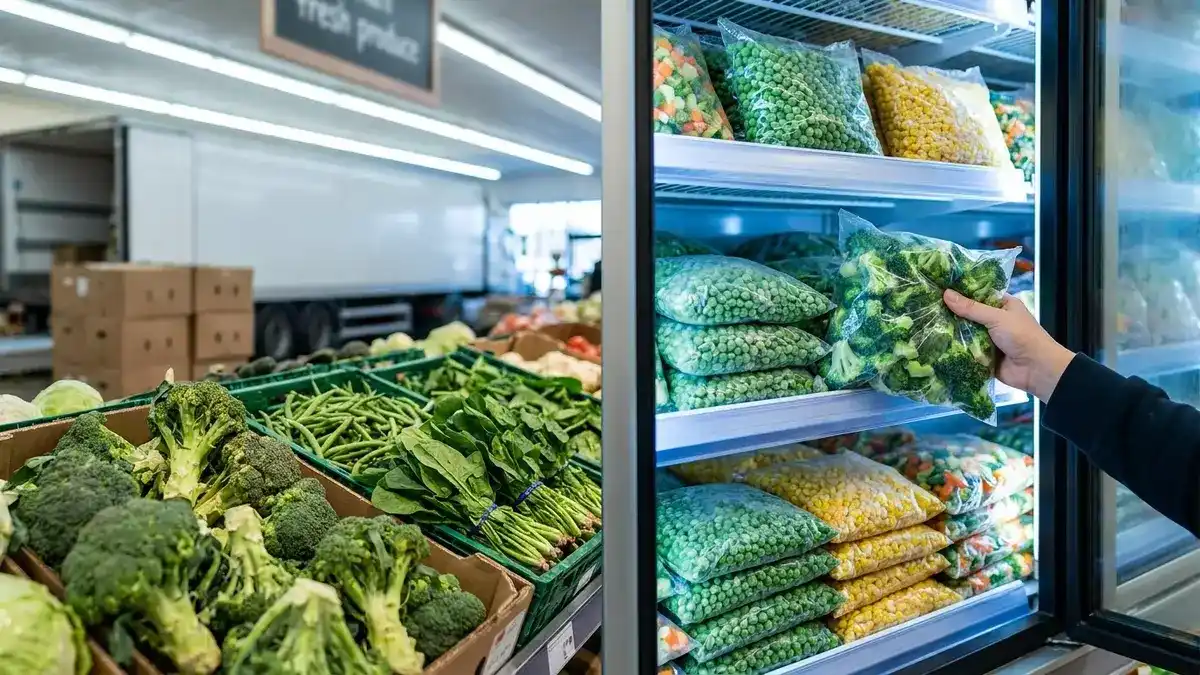
Most “fresh” vegetables found on supermarket shelves are harvested well before they reach full maturity so they do not rot during transit. Because they are ripped away from the parent plant early, they miss out on the final, crucial days of absorbing vital vitamins, minerals, and phytonutrients from the soil. Furthermore, from the moment a vegetable is picked, its nutrient clock begins ticking down. During the days or weeks spent in cargo trucks, distribution centers, and grocery displays, its enzymatic integrity steadily collapses.

Locking in the Nutrients
Conversely, vegetables destined for the freezer are allowed to ripen naturally in the field until they reach their absolute nutritional zenith. Within mere hours of harvest, they are flash-frozen. This rapid drop in temperature acts like a biological pause button, instantly locking in the existing vitamins and antioxidants.
[ Field Harvest at Peak Ripeness ] --> Flash-Frozen in Hours --> 100% Nutrient Retention
[ Early Harvest for Shipping ]    --> Days of Transit & Storage --> Rapid Vitamin Degradation
Mastroianni notes that highly volatile micronutrients, such as Vitamin C, degrade at an alarming rate in fresh environments. For example, fresh broccoli can lose up to 56% of its entire Vitamin C content within just seven days of sitting in a standard refrigerator or at room temperature. Flash-frozen broccoli, however, retains virtually all of its original Vitamin C up until the moment it is cooked. Similarly, sweet green peas are flash-frozen so rapidly post-harvest that their delicate sugar-to-starch balance and nutrient metrics remain entirely unchanged.
2. Unmatched Kitchen Convenience and Drastic Waste Reduction
Beyond the pure molecular advantages, frozen vegetables provide immense structural benefits for modern household management and stress-free cooking.

Streamlining Meal Preparation
Incorporating vegetables into a hectic daily routine can feel daunting when it requires extensive washing, peeling, chopping, and cleanup. Early emphasizes that frozen varieties eliminate these time-consuming barriers. Keeping pre-chopped, frozen staples on hand makes upgrading the nutritional density of a meal incredibly simple. You can easily stir a handful of frozen spinach into a morning omelet, toss frozen peas and sweet corn into a batch of quinoa, or drop frozen broccoli florets straight into a simmering weeknight curry.
Conquering the Food Waste Epidemic
Fresh vegetables are notorious for turning to mush in the bottom crisper drawer before you get a chance to cook them, resulting in thrown-out food and wasted money. Frozen vegetables completely solve this dilemma. Because they are loose and pre-portioned within the bag, you can pour out the precise amount needed for a single serving and immediately return the rest to the freezer, keeping food waste to an absolute minimum.
3. Year-Round Cost-Effectiveness
Fresh produce prices fluctuate wildly based on seasonal availability and international shipping logistics. When you buy fresh berries or green beans out of season, you are paying a massive premium for climate-controlled transportation and long-distance fuel costs.
Because frozen vegetables are harvested and processed in massive quantities during peak local seasons when supply is abundant, production costs remain exceptionally low. These savings are passed directly to the consumer, making frozen produce a highly economical, stable option for infusing high-quality nutrition into your family’s diet 365 days a year, regardless of the weather outside.
Fresh vs. Frozen: A Direct Comparison
| Nutritional & Practical Metrics | Flash-Frozen Vegetables | “Fresh” Store-Bought Vegetables |
| Harvest Timing | Picked at 100% peak maturity and nutrient density. | Picked early to survive long-distance shipping. |
| Vitamin C & Antioxidants | Fully preserved via immediate thermal lock. | Degrades rapidly during transit and storage. |
| Preparation Time | Zero cleaning, peeling, or chopping required. | Requires significant active kitchen prep time. |
| Shelf Life & Waste | Lasts months; use only what you need. | Lasts days; highly prone to spoiling. |
Conclusion
It is time to shed the misconception that frozen food is inherently inferior. As nutritional experts Mastroianni and Early demonstrate, flash-frozen vegetables are a nutritional powerhouse, offering superior vitamin retention, excellent cost savings, and ultimate convenience. By keeping your freezer stocked with vibrant green peas, nutrient-dense broccoli, and versatile spinach, you can easily elevate your health without complicating your kitchen routine.
Frequently Asked Questions (FAQ)
Does blanching vegetables before freezing destroy their nutrients?
Prior to flash-freezing, vegetables undergo a quick, brief steam or hot-water dip known as blanching. While this minor heat exposure can cause a slight, immediate loss of water-soluble vitamins (like B vitamins and vitamin C), it successfully deactivates the specific enzymes that cause spoilage, structural softening, and flavor loss. The minor loss during blanching is far less than the massive, ongoing nutrient loss a fresh vegetable suffers while sitting on a grocery shelf for a week.
What is the healthiest way to cook frozen vegetables?
To preserve the maximum amount of locked-in vitamins, avoid boiling your frozen vegetables in a large pot of water, as the nutrients will leach out into the liquid and get poured down the drain. Instead, opt for quick steaming, light microwaving with a tablespoon of water, or roasting them directly from frozen with a drizzle of healthy oil.
Can frozen vegetables get freezer burn, and is it dangerous?
Freezer burn occurs when air comes into contact with the food surface, causing dehydration and ice crystals to form. While freezer-burned vegetables might suffer from a slightly woody texture or altered flavor profile, they remain completely safe to consume from a health standpoint. To prevent this, keep open bags tightly sealed with clips or transfer them to airtight zip-top bags.
Are there any frozen vegetables I should avoid buying?
Always read the ingredient statement on the back of the packaging. Plain frozen vegetables should list exactly one ingredient: the vegetable itself. Avoid options that come pre-packaged with heavy commercial butter glazes, high-sodium cheese sauces, or artificial preservatives, as these additives counteract the natural health benefits.
Do frozen vegetables contain harmful artificial preservatives?
No. The freezing process itself serves as nature’s most effective, completely clean preservative. Because flash-freezing halts all microbial growth and enzymatic decay, food manufacturers do not need to add chemical stabilizers or high amounts of sodium to keep the vegetables fresh.