
Table of Contents
The Mindful Approach to Comfort Food: Pastelitos Revisited
A warm, golden pastry stuffed with savory, spiced beef and molten cheese is the definition of comfort food. While these handheld delights—often known as pastelitos or empanadas—might not be the first thing that comes to mind when you hear the word “wellness,” they don’t have to be off-limits.
The secret to a healthy relationship with food isn’t banning your favorites; it’s about understanding the context of your cravings. By focusing on frequency, portion control, and what you choose to serve alongside your pastelitos, you can enjoy these family-favorite treats without compromising your long-term health goals.
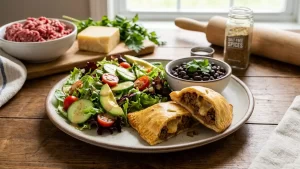
The Mindful Approach to Comfort Food Pastelitos Revisited
The Reality of Convenience vs. Nutrition
Pastelitos are a staple in many Latin American kitchens, serving as everything from quick weeknight dinners to essential party food. Their appeal is deep-rooted, often tied to childhood memories and the communal joy of a home-cooked meal.

However, the convenience of store-bought empanada dough and the indulgence of fried fillings can quickly add up in terms of sodium and saturated fat. If you are preparing these at home, you have the unique power to adjust the recipe—not by stripping away the flavor, but by making smarter, more intentional choices.
Strategies for a Balanced Pastelito Meal
You don’t have to sacrifice flavor to make a meal more nutritious. Here is how to rethink your approach to these savory pockets.
1. Optimize Your Filling
Choose Leaner Protein: Start with lean ground beef, turkey, or chicken. Draining the excess fat after browning the meat not only reduces calories but also prevents oil from splattering during the frying process.
Manage the Salt: Sodium is the “hidden” ingredient in many recipes. Store-bought dough, processed cheese, and traditional seasoning blends (like sazón) can be packed with salt. Opt for salt-free sazón blends, and always taste your filling before adding extra salt.
The Cheese Factor: American cheese provides that signature melt, but it is high in saturated fat and sodium. You can either use a smaller amount or swap it for a cheese with a bolder flavor profile so you can use less while still achieving a rich, creamy taste.

2. Build a Better Plate
A common mistake is treating the pastelito as the entire meal. To create a more balanced experience, focus on what sits next to it:
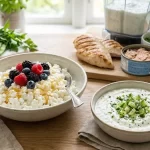
Fiber is Key: Refined flour dough provides little fiber. Compensate by serving your pastelitos with a side of black beans, a tomato and avocado salad, or a generous portion of dressed arugula.
Limit the Quantity: Instead of serving a mountain of fried pastries, plate one or two as the star of the show, complemented by a substantial vegetable-heavy side.
3. Consider Your Cooking Method
While frying is the traditional route, it is the primary source of extra fat. If you want to keep the flavor without the excess grease, experiment with baking or air-frying your empanadas. With a light brush of egg wash, you can still achieve a beautiful, golden-brown crust.
Navigating Nutrition Guidelines
It is helpful to keep official guidelines in perspective to avoid “all-or-nothing” thinking:
Saturated Fat: The American Heart Association suggests limiting saturated fat to less than 6% of your daily calories (about 13 grams for a 2,000-calorie diet). A cheesy pastelito doesn’t have to ruin your day, but it does consume a portion of that daily allowance.
Sodium: With a recommended daily limit of 2,300 mg, be mindful that packaged foods contribute significantly to our intake. By making the filling from scratch, you take control of the salt shaker.
The Big Picture: Comfort Food and Wellness
The healthiest approach to food is one that is sustainable. Eating a fried beef-and-cheese pastry at a family gathering is fundamentally different from relying on high-sodium, ultra-processed fried foods as a default dinner several nights a week.
Healthy living must survive the realities of busy schedules and the human desire for comfort. If you respect the tradition, keep the portions sensible, and ensure the rest of your plate is packed with whole, nutrient-dense foods, your favorite comfort dishes can absolutely have a place in your kitchen.
Frequently Asked Questions (FAQ)
Can I make pastelitos healthier without changing the taste?
Yes. Use lean meat, salt-free seasoning, and incorporate fresh herbs. Draining the fat from the meat and serving the dish with a vibrant side salad will drastically improve the overall nutritional profile of the meal.
Is it okay to use store-bought empanada dough?
Yes, but be aware that it is a refined carbohydrate. Balance it by keeping the portion size moderate and focusing on high-fiber sides like black beans or fresh vegetables.
What is the best way to handle the “salt trap”?
Always choose “salt-free” versions of your favorite spice blends, such as sazón or adobo. Since olives and cheese are naturally salty, you often don’t need to add any extra salt to the meat filling at all.
How does protein help?
Protein helps increase satiety. By including a good portion of lean beef or poultry in your pastelito, you are more likely to feel full after eating one or two, which helps prevent overeating.
How often is it “okay” to eat fried food?
There is no magic number. Focus on the context—if fried comfort food is an occasional treat during a social event, enjoy it mindfully. If it becomes a daily habit, that is when you should look for ways to adjust your prep methods (like baking or air-frying) and frequency.