
Table of Contents
The Secret Protein Powerhouse: Why You’re Overlooking Cottage Cheese
For decades, the standard American approach to hitting protein goals has been remarkably singular: the chicken breast. While lean poultry is an undeniably excellent source of protein, it has overshadowed a wide variety of nutrient-dense, affordable, and incredibly versatile alternatives. Among these, one humble dairy staple has been largely relegated to the back of the refrigerator, unfairly dismissed as a relic of the past.
According to nutrition experts, that “unsung hero” is cottage cheese. Far more than just a diet fad from the mid-20th century, cottage cheese is currently experiencing a well-deserved resurgence. It offers a unique nutritional profile that rivals premium protein sources, making it one of the most overlooked—and underutilized—superfoods in the modern U.S. diet.
The Secret Protein Powerhouse Why You’re Overlooking Cottage Cheese
The Case for Cottage Cheese
If you haven’t bought a container of cottage cheese recently, you might be surprised by its nutritional density. A single cup of cottage cheese packs approximately 27 grams of protein, a figure that frequently matches or exceeds an equivalent serving of grilled chicken breast.

However, the benefits extend well beyond pure protein numbers. Cottage cheese is a complex food that provides:
Casein Protein: Unlike fast-digesting proteins, cottage cheese is primarily composed of casein. This protein is absorbed slowly by the body, providing a sustained release of amino acids. This makes it an ideal choice for muscle recovery and a powerful tool for suppressing hunger, as it keeps you feeling full significantly longer than faster-digesting snacks.
Bone and Gut Health: It is an excellent source of calcium, phosphorus, and vitamin B12. Additionally, varieties labeled with “live and active cultures” offer probiotics, which are essential for maintaining a healthy gut microbiome and supporting digestive health.
Metabolic Support: With a low caloric footprint—roughly 84 calories per 100 grams of low-fat varieties—it is an exceptionally efficient way to reach your daily protein requirements without exceeding your caloric limits.

Versatility: From Sweet to Savory
The greatest barrier to cottage cheese consumption is often its texture or the misconception that it is only a “plain” snack. In reality, its mild, neutral flavor makes it a culinary chameleon. Because it lacks a strong taste, it acts as a perfect base for almost any flavor profile:
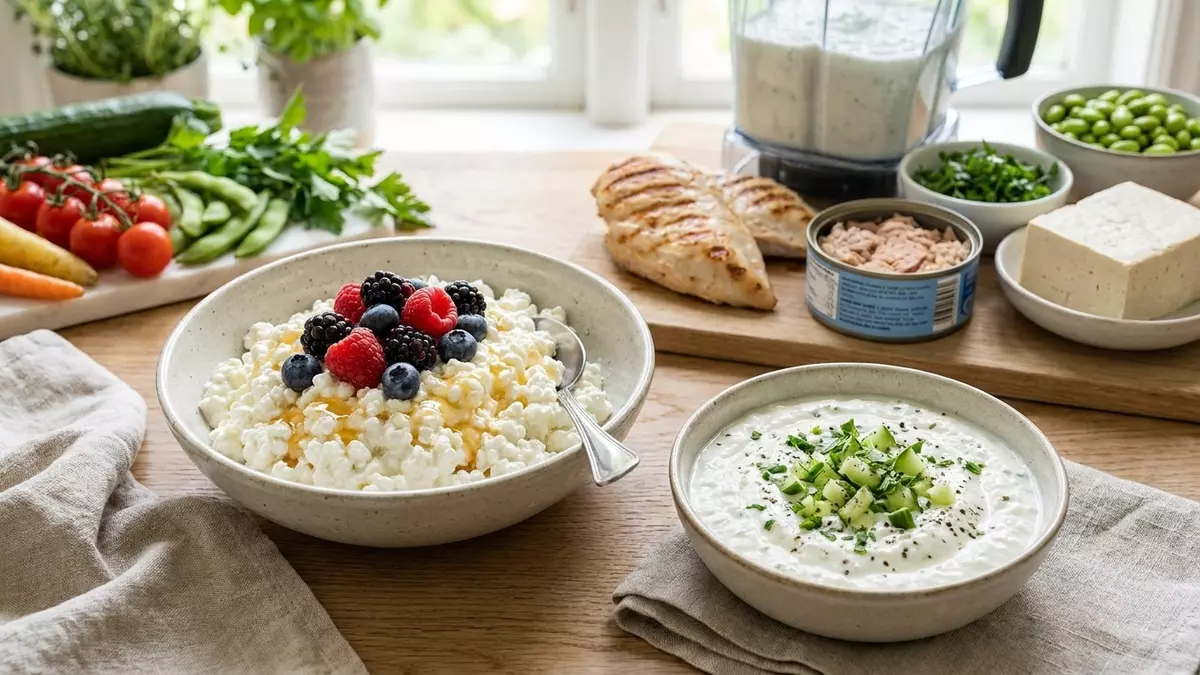
Savory: Mix it with chopped herbs, cucumber, and black pepper for a refreshing salad topping, or use it as a protein-rich base for creamy pasta sauces.
Sweet: Blend it into smoothies for a thick, creamy texture, or top it with fresh berries, honey, and nuts for a balanced breakfast.
Hidden Nutrition: Incorporate it into pancake batters, egg scrambles, or wraps to boost the protein content of your favorite recipes without significantly altering their taste.

Exploring Other High-Protein Alternatives
If you are looking to diversify your diet, cottage cheese is just the beginning. Several other accessible foods offer massive protein payoffs that can help you reach your health and fitness goals:
| Food Source | Protein Content | Best For |
| Textured Veg. Protein | 44g per 3 oz | Vegan chili, tacos, and meat alternatives |
| Canned Albacore Tuna | 33g per 5 oz | Omega-3 rich salads and sandwiches |
| Tofu | 30g per 2 cups | Stir-fries, soups, and plant-based protein |
| Seitan | 27g per 3 oz | Meat-like textures and iron intake |
| Edamame | 27g per 1½ cups | Energy-boosting, fiber-rich snacking |
Why It’s Time to Revisit Your Grocery List
The beauty of incorporating these foods—particularly cottage cheese—into your routine is the simplicity of the swap. By replacing a processed, low-nutrient snack with a cup of cottage cheese, you aren’t just adding protein; you are fueling your body with minerals like magnesium and potassium, which are vital for nerve function and long-term bone health.
As more Americans pivot toward sustainable, cost-effective nutrition, the “old-fashioned” choice is proving to be the smartest one. Whether you are aiming to maintain muscle mass, manage your weight, or simply stabilize your energy levels throughout the day, this dairy powerhouse deserves a permanent spot in your refrigerator.
Frequently Asked Questions (FAQ)
1. Is cottage cheese better for you than yogurt?
Both are excellent choices. However, cottage cheese generally offers a higher protein-to-calorie ratio than most standard yogurts and contains a larger proportion of slow-digesting casein protein, which may be more effective for long-term satiety.
2. Can I eat cottage cheese if I am lactose intolerant?
While cottage cheese contains lactose, many brands now offer lactose-free versions. Additionally, because it is a fermented dairy product, some people with mild sensitivity find it easier to digest than milk, but you should consult your doctor if you have severe intolerance.
3. What is the best time of day to eat cottage cheese?
Because of its slow-digesting protein, many experts recommend eating cottage cheese as a late-night snack. It provides a steady stream of amino acids while you sleep, which can help with muscle repair and prevent late-night hunger pangs.
4. How can I improve the texture if I don’t like the curds?
If the grainy texture is a dealbreaker for you, simply toss the cottage cheese into a blender or food processor. In seconds, it becomes smooth and creamy, similar to ricotta or Greek yogurt, and can be used in dips or smoothies without the “lumpy” consistency.
5. How long does cottage cheese stay fresh?
Once opened, cottage cheese typically stays fresh in the refrigerator for about a week. Always check the “use-by” date on the container and ensure it is stored at the correct temperature to maintain its probiotic benefits.