
Table of Contents
- 1. What Is Chrononutrition?
- 2. Combating “Inflammaging”
- 3. The Four Pillars of Metabolic Health
- 3.1. 1. Prioritize Restorative Sleep
- 3.2. 2. Move Consistently, Not Just Intensively
- 3.3. 3. Rethink Protein Distribution
- 3.4. 4. Supplements Are Not Shortcuts
- 4. Conclusion: A Shift Toward Sustainability
- 4.1. Frequently Asked Questions (FAQ)
Rethinking Your Metabolism: The Power of Chrononutrition
For decades, the conversation around healthy living has been dominated by a simple equation: calories in versus calories out. However, Dr. Álvaro Campillo, a digestive surgeon, is shifting the focus toward a more nuanced concept: chrononutrition. By studying how the timing of our meals interacts with our body’s internal clock, we may be able to optimize our metabolism, reduce chronic inflammation, and age more gracefully.
While Dr. Campillo’s personal routine—which includes a spiced coffee in the morning and one substantial meal at noon—is striking, his broader message is not about adopting a rigid, one-size-fits-all regimen. Instead, it is an invitation to align our daily habits with the biological rhythms that dictate our long-term health.
Rethinking Your Metabolism The Power of Chrononutrition
What Is Chrononutrition?
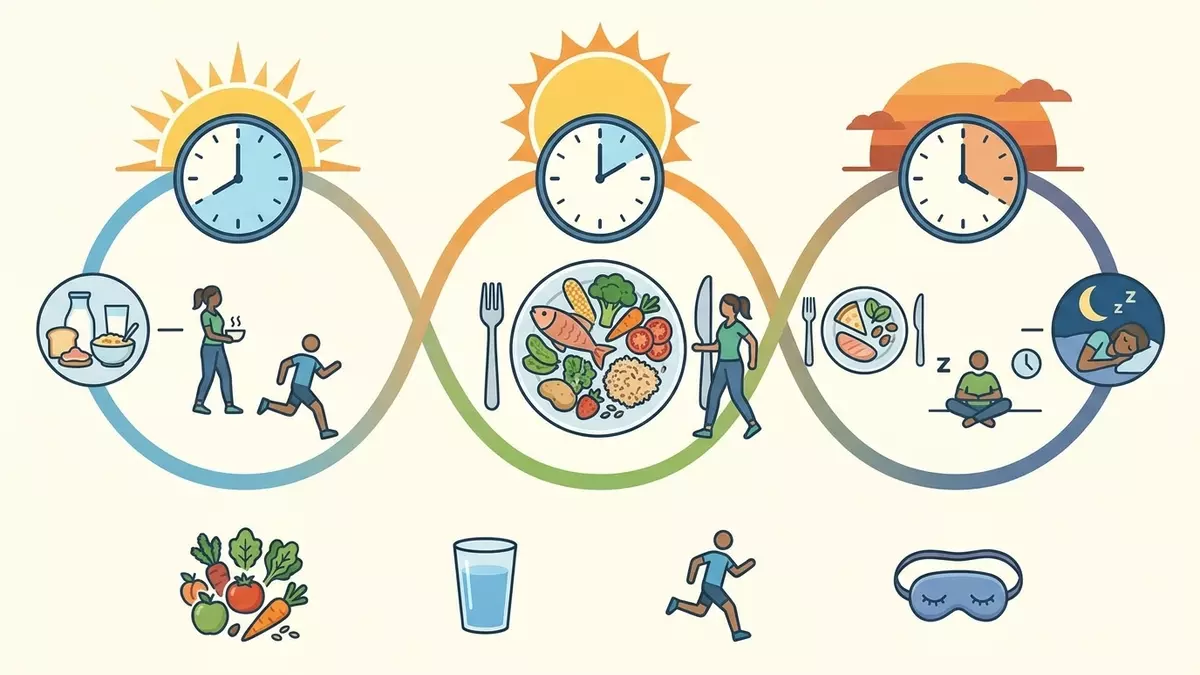
Chrononutrition is a burgeoning field of science that explores the connection between eating patterns and circadian rhythms. Our bodies are not static containers; they operate on a 24-hour cycle that regulates hormone release, digestive efficiency, and energy use.

Research indicates that the same meal may be processed differently depending on when it is consumed. While life often prevents us from having perfect control over our schedules, consistency remains a vital pillar. According to a 2025 report, shorter eating windows and regular, day-to-day patterns are positively correlated with better cardiometabolic health.
Combating “Inflammaging”
Dr. Campillo frequently discusses “inflammaging,” a term describing the chronic, low-grade systemic inflammation associated with the aging process. This state is increasingly linked to modern health challenges, including:
High blood pressure and diabetes
Obesity and metabolic syndrome
Persistent anemia
Increased physical frailty


The good news is that we have agency over these processes. Rather than relying on “miracle” health shortcuts, the most effective tools for mitigating inflammaging are foundational: consistent sleep, stress management, regular movement, and the consumption of whole, unprocessed foods.
The Four Pillars of Metabolic Health
Dr. Campillo’s approach emphasizes that supplements and specialized diets cannot replace the basics of human physiology.
1. Prioritize Restorative Sleep
Sleep is the period when the body performs essential maintenance and regulatory functions. Insufficient sleep acts as a systemic stressor that disrupts metabolic balance. With health authorities recommending at least seven hours of sleep nightly for adults, treating rest as a non-negotiable health intervention—rather than a luxury—is essential.
2. Move Consistently, Not Just Intensively
Many people fall into the trap of being “sedentary athletes”—individuals who exercise intensely for one hour but remain motionless for the other 15 hours of the day. To improve health, experts recommend breaking up prolonged sitting every 90 to 120 minutes. The goal is to accumulate activity throughout the day, ensuring the body remains metabolically active.
3. Rethink Protein Distribution
As we age, our bodies become more resistant to muscle protein synthesis. To combat muscle loss, Dr. Campillo suggests moving away from “front-loading” or “back-loading” protein. Instead, aim for a balanced intake of 25 to 30 grams of protein at each meal. This distribution helps maximize the body’s ability to maintain muscle mass throughout the day.
4. Supplements Are Not Shortcuts
Supplements can serve as a helpful bridge while you improve your baseline habits, but they are not a “get out of jail free card” for a poor lifestyle. Relying on pills while ignoring diet, sleep, and exercise is a fundamental mistake. Supplements should complement, not replace, a foundation of real food and proper lifestyle management.
Conclusion: A Shift Toward Sustainability
Dr. Campillo’s routine is a personal choice, not a medical mandate. Factors such as medical history, diabetes, pregnancy, or specific work requirements mean that no single diet works for everyone. Before making significant changes to your meal frequency or fasting habits, always consult with a qualified health professional.
The ultimate takeaway is far more empowering than a restrictive diet plan: health is not about perfection or the latest wellness trend. It is about consistency. By protecting your sleep, minimizing ultra-processed foods, maintaining daily movement, and being mindful of when you eat, you can build habits that support your body’s natural rhythms for years to come.
Frequently Asked Questions (FAQ)
Does this mean I have to skip breakfast?
No. Chrononutrition emphasizes regularity and metabolic health. Whether or not you “need” breakfast depends on your individual health needs and daily schedule. Focus on consistent timing rather than rigid rules.
Why is protein distribution important?
Research suggests that consuming 25–30 grams of protein per meal is more effective for muscle protein synthesis than eating a small amount in the morning and a large amount at night.
Is a “sedentary athlete” lifestyle harmful?
While working out is always better than not working out, research indicates that prolonged sitting throughout the day can counteract some metabolic benefits of exercise. Aiming for frequent, light movement throughout the day is better than a “crammed” workout.
What is the best way to handle late-night meals?
While life happens, the goal of chrononutrition is to aim for regularity. Eating your primary meals earlier in the day is generally more aligned with your circadian rhythm than consuming large meals immediately before sleep.
Should I start taking supplements for inflammaging?
Supplements should not be your first line of defense. Focus on reducing chronic stress, improving sleep, and eating a diet rich in polyphenols and phytochemicals (found in vegetables and whole foods) before considering supplemental support.