
Table of Contents
No Blooms on Bird of Paradise? 3 Proven Tricks for Success
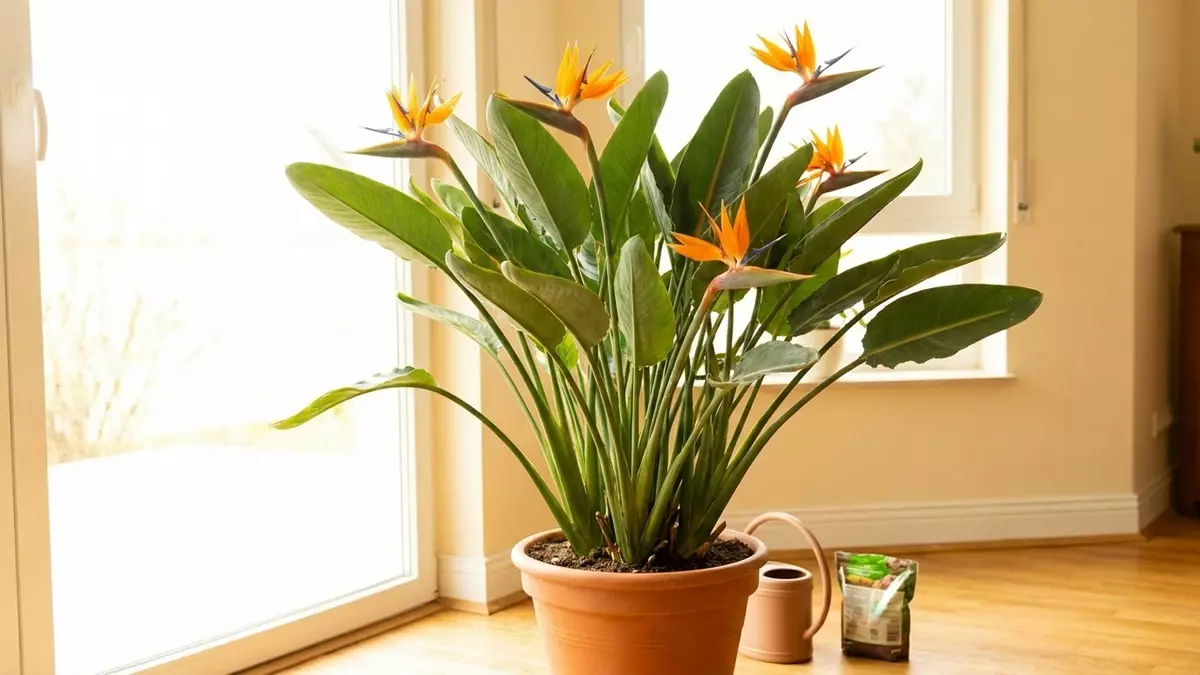
The Bird of Paradise (Strelitzia reginae) is a horticultural masterpiece. With its lush, architectural foliage and iconic, crane-like flowers, it transforms any room or patio into a tropical sanctuary. Yet, many gardeners find themselves staring at a giant, healthy plant that simply refuses to produce a single bloom.
If your plant is all leaves and no flowers, do not be discouraged. These tropical perennials are notoriously demanding when it comes to their “trigger” conditions. By understanding their specific needs and applying these three proven strategies, you can encourage your Bird of Paradise to finally put on the spectacular show it is capable of.
No Blooms on Bird of Paradise 3 Proven Tricks for Success
Why Your Bird of Paradise Stays Leafy
Before adjusting your care routine, keep in mind that patience is a virtue. Bird of Paradise plants generally require four to six years of maturity before they are biologically ready to bloom. If your plant is still a juvenile, no amount of fertilizer will force a flower. However, if your plant is mature and still stubborn, the issue usually stems from a lack of environmental stimulation.

Trick 1: Maximize Sunlight Exposure
The most common culprit behind a non-blooming Bird of Paradise is inadequate lighting. In their native habitats, these plants bask in intense, direct sun.
The Sunlight Threshold: These plants require at least six hours of direct sunlight daily. If your plant is tucked into a shady corner or a room with low-intensity light, it will prioritize foliage production over flowering.
Indoor Optimization: If you are growing yours indoors, place it directly in front of your brightest south- or west-facing window.
The Light Hack: If natural light is insufficient, don’t hesitate to use full-spectrum LED grow lights to supplement the intensity. Remember to rotate your pot every two weeks; this ensures that all sides of the foliage receive equal energy, preventing the plant from becoming “leggy” or lopsided.

Trick 2: Manage Container Size
It is a common gardening instinct to give a plant room to grow, but for the Bird of Paradise, a massive pot can actually be counterproductive. When a container is too large, the plant dedicates all of its energy to expanding its root system into the excess soil, rather than initiating the reproductive cycle of blooming.
The “Root-Bound” Benefit: Believe it or not, these plants often bloom most prolifically when they feel slightly crowded in their pots.
The Rule of Thumb: Use a container that is only two to three inches larger than the current root ball. This restriction encourages the plant to feel “settled,” prompting it to redirect its surplus energy from root expansion into flower development.
Trick 3: Switch Your Fertilizer Strategy
If you have been using a general-purpose, high-nitrogen fertilizer, you may be unintentionally fueling leafy growth at the expense of floral development. Nitrogen is excellent for big, green leaves, but it does little to encourage blooms.
The “Bloom Booster”: During the active growing season (spring and summer), switch to a phosphorus-rich fertilizer. Products labeled as “bloom boosters” contain higher levels of phosphorus, which is the specific nutrient responsible for floral initiation.
Application and Maintenance: Feed your plant every two to three weeks during the growth period, but taper off completely during the fall and winter when the plant enters its natural rest phase. Crucially, flush the soil with clean water every few months to remove accumulated fertilizer salts, which can stress the roots and inhibit flowering.
Bonus Care Tips for Peak Performance
Beyond the “big three” tricks, minor adjustments to your care routine can provide the final push toward blooming:
Mind the Temperature: These plants thrive in temperatures between 65°F and 70°F (18–21°C). Be wary of cold drafts from air conditioning vents or winter windows, as temperature fluctuations can delay or abort emerging blooms.
Watering Balance: Maintain soil that is evenly moist but never soggy. Ensure the top inch of soil dries out slightly between waterings to prevent root rot.
Stability is Key: Bird of Paradise plants dislike being moved. Once you find a spot with ideal light and temperature, leave it there. Constant changes in the environment will keep the plant in a state of perpetual shock, preventing it from flowering.
Outdoor Summering: If your climate allows, move your plant outdoors for the summer. The increased intensity of natural sunlight—even in partial shade—is often the final catalyst needed to trigger flowering.
Final Thoughts
Cultivating a blooming Bird of Paradise requires a balance of environmental precision and time. By ensuring your plant receives intense light, keeping its root system cozy in a smaller container, and providing targeted, phosphorus-rich nutrition, you are creating the ideal stage for success. While it requires patience, the reward—a stunning, exotic bloom—is well worth the effort.
Frequently Asked Questions (FAQ)
How long does it take for a Bird of Paradise to bloom?
Most plants need to reach maturity, which takes about 4 to 6 years. If your plant is younger than this, it is likely not yet capable of flowering.
Can I grow a Bird of Paradise in a dark corner?
No. While they may survive in lower light, they will not bloom. You need at least 6 hours of direct sun to see flowers.
Is my pot too big?
If the pot is more than 3 inches wider than the root ball, it is likely too big. If your plant hasn’t flowered in years, consider downsizing the pot to help it focus on blooming.
What kind of fertilizer should I use?
Look for a fertilizer with a higher middle number (N-P-K ratio), meaning it is high in Phosphorus. This is often marketed as a “Bloom Booster.”
Why are my leaves turning yellow?
Yellowing leaves are often a sign of overwatering or poor drainage. Ensure your pot has drainage holes and that the soil is not sitting in stagnant water.