
Table of Contents
- 1. The Anatomy of a Nutritional Powerhouse
- 1.1. Premium Fats for Cardiovascular Health
- 1.2. Micronutrients That Fight Inflammation
- 2. The Ultimate Post-Exercise Recovery Tool
- 3. 6 Simple Ways to Upgrade Your Meals
- 4. Conclusion
- 5. Frequently Asked Questions
- 5.1. Is peanut butter safe for individuals watching their blood sugar or managing diabetes?
- 5.2. Why does oil separate at the top of natural peanut butter jars?
- 5.3. How does peanut butter compare nutritionally to almond butter?
- 5.4. Can eating peanut butter support healthy, long-term weight management?
- 5.5. Should I store natural peanut butter in the pantry or the refrigerator?
A Kitchen Staple for Longevity: Why a Top Medical Professor Calls This Food His Absolute Favorite
Finding a food that balances comforting flavor with elite nutritional value is a rare win in modern nutrition. It is even rarer to find one that busy parents, professional athletes, and young children can all agree on.
For Brian Davis, a clinical professor in the Department of Physical Medicine and Rehabilitation at UC Davis, the ultimate dietary powerhouse is a familiar jar sitting right in your pantry: peanut butter.
“It has protein, carbs, and sugars,” Davis explains. “It’s a great recovery food, and my kids love it.” Far from just a nostalgic childhood snack, this humble spread offers a deeply complex structural layout of macronutrients and vitamins that can radically improve your physical recovery, cardiovascular health, and daily energy stability.

A Kitchen Staple for Longevity Why a Top Medical Professor Calls This Food His Absolute Favorite
The Anatomy of a Nutritional Powerhouse
Peanut butter is incredibly nutrient-dense. When you look closely at its chemical composition, a single two-tablespoon serving delivers a dense matrix of sustenance, providing roughly eight grams of plant-based protein alongside an abundance of dietary fiber and heart-healthy lipids.
[2 Tablespoons of Peanut Butter] ➔ 8g Protein + Healthy Monounsaturated Fats + Rich Dietary Fiber
Premium Fats for Cardiovascular Health
A common misconception is that peanut butter should be avoided due to its high fat content. However, the lipid profile of peanuts consists primarily of monounsaturated fatty acids—the exact same cardioprotective fats celebrated in premium extra virgin olive oil and fresh avocados.

These clean fats work actively within your bloodstream to help optimize your lipid panel. They systematically assist in lowering low-density lipoprotein (LDL, or “bad” cholesterol) while helping preserve or elevate high-density lipoprotein (HDL, or “good” cholesterol), effectively reducing long-term cardiovascular strain.
Micronutrients That Fight Inflammation
Beyond basic macros, real peanut butter acts as a natural delivery system for essential micronutrients:
| Micronutrient | Vital Biological Function |
| Vitamin E | A potent, fat-soluble antioxidant that shields cell membranes from oxidative stress. |
| Magnesium | Drives muscle relaxation, supports nervous system signaling, and aids cellular recovery. |
| Niacin (Vitamin B3) | A crucial cofactor that helps your metabolism efficiently convert food into cellular energy. |
Furthermore, peanuts are packed with bioactive plant compounds like resveratrol and p-coumaric acid. These powerful antioxidants are widely recognized for their systemic anti-inflammatory effects, helping reduce the chronic cellular stress that can contribute to the development of type 2 diabetes and arterial disease.

The Ultimate Post-Exercise Recovery Tool
As a clinical expert in physical medicine and rehabilitation, Professor Davis highlights peanut butter’s exceptional utility as a recovery food.
When you complete a strenuous workout or a long day of physical labor, your muscles are physically depleted of their glycogen stores (stored carbohydrates), and your muscle fibers have experienced microscopic tears.
[Intense Physical Exercise] ➔ [Depleted Muscle Glycogen & Fiber Micro-Tears]
                                      ⬇
[Peanut Butter Consumption] ➔ [Sustained Amino Acids + Controlled Glucose Replenishment]
Peanut butter provides the perfect chemical combination to kickstart the healing process. Its plant-based amino acids provide the raw structural building blocks necessary to rebuild and repair muscle tissue. At the same time, its unique combination of natural fats and fiber slows down digestion. This ensures that the carbohydrates present are absorbed gradually into your bloodstream, refueled into depleted muscle tissue as glycogen without causing a sharp, unwanted spike in blood glucose levels.
6 Simple Ways to Upgrade Your Meals
Peanut butter’s versatility makes it incredibly easy to incorporate into your existing diet, crossing seamlessly between sweet breakfasts and savory dinners.
The Powerhouse Smoothie: Toss a generous spoonful of peanut butter into a morning blender with a ripe banana, rolled oats, and your favorite milk to add richness and staying power.
Nutrient-Dense Oatmeal: Swirl a tablespoon directly into hot, fresh-cooked oats. The heat melts the butter into a creamy, luxurious texture while boosting the meal’s protein profile.
The Modern Toast Upgrade: Spread a layer over warm, whole-grain toast or crunchy rice cakes, then top with fresh fruit slices, a sprinkle of chia seeds, or a light drizzle of raw honey.
The Balanced Yogurt Bowl: Drop a dollop into a bowl of plain, unsweetened Greek yogurt. Toss in fresh berries and a handful of low-sugar granola for a highly satisfying snack.
Savory Satay Noodles: Whisk peanut butter together with a splash of tamari or soy sauce, fresh lime juice, and a pinch of chili flakes to create a vibrant, protein-rich sauce for whole-grain noodles or grilled proteins.
No-Bake Energy Bites: Thoroughly mix peanut butter, rolled oats, pitted dates, and a dash of raw cocoa powder. Roll them into small, bite-sized rounds for a portable, shelf-stable snack perfect for busy afternoons.
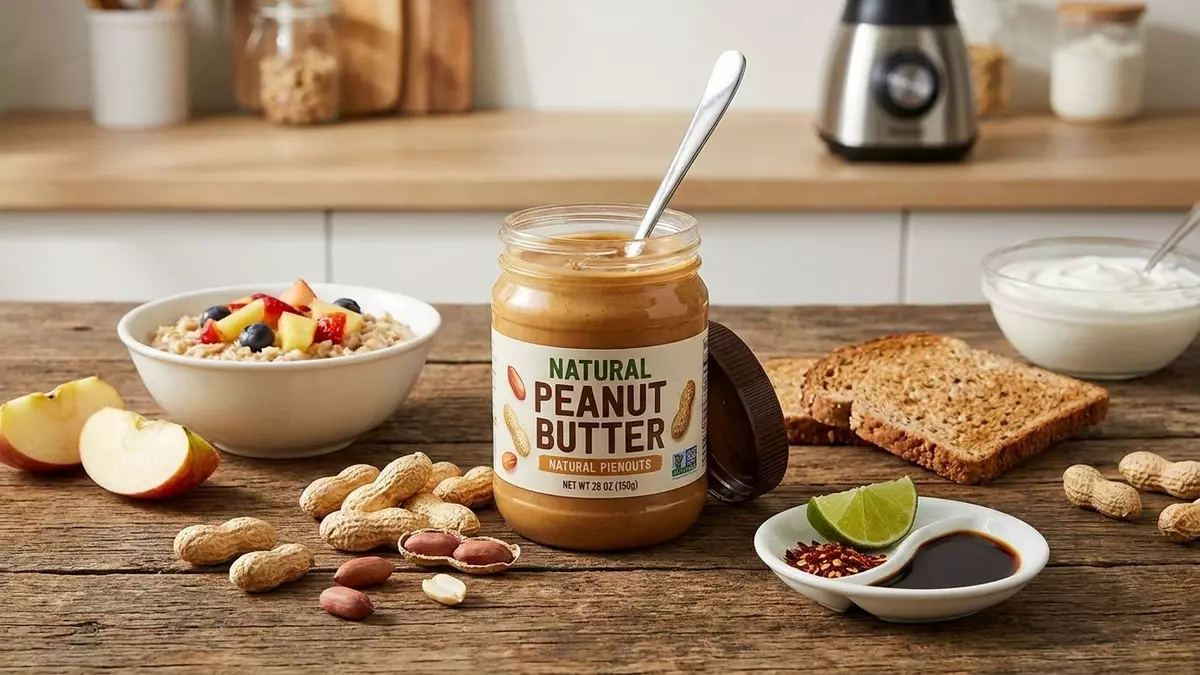
Shopping Tip: To get the full health benefits, always read the ingredient label carefully. Choose natural peanut butter varieties where the only listed ingredients are peanuts and perhaps a small pinch of sea salt. Avoid jars packed with hydrogenated vegetable oils, palm oils, or processed refined sugars.
Conclusion
Professor Davis’s favorite food proves that optimizing your personal health doesn’t require overcomplicated diets or exotic, expensive superfoods. By keeping a jar of clean, natural peanut butter in your kitchen, you have instant access to an affordable, deeply satisfying balance of protein, healthy fats, and antioxidants. It is a simple, delicious tool to help support muscle recovery, maintain a healthy heart, and keep your family powered throughout the day.
Frequently Asked Questions
Is peanut butter safe for individuals watching their blood sugar or managing diabetes?
Yes, natural peanut butter is an exceptional choice for blood sugar management. Because it is highly rich in healthy fats and protein while remaining low in fast-acting carbohydrates, it has a very low glycemic index. Eating it alongside a carbohydrate (like an apple or whole-grain toast) slows down glucose absorption, preventing blood sugar spikes.
Why does oil separate at the top of natural peanut butter jars?
Oil separation is a natural indicator of purity. Peanuts contain healthy, natural oils that separate and rise to the surface when ground without additives. Commercial, non-natural brands avoid this by adding hydrogenated oils (trans fats) or emulsifiers to keep the product permanently mixed, which compromises its health benefits. Simply stir the natural oil back into the jar when you first open it.
How does peanut butter compare nutritionally to almond butter?
Nutritionally, they are incredibly close. Both offer similar calories, healthy monounsaturated fats, and protein per serving. Almond butter contains slightly higher levels of vitamin E and iron, while peanut butter typically provides a bit more protein and a higher concentration of B vitamins like niacin. Choosing between them mostly comes down to personal taste and budget.
Can eating peanut butter support healthy, long-term weight management?
Absolutely. Even though it is a calorie-dense food, the potent combination of high dietary fiber, protein, and monounsaturated fats heavily stimulates the release of satiety hormones in your digestive system. This keeps you feeling deeply full and satisfied for hours, naturally curbing subsequent cravings and reducing overall caloric intake throughout the day.
Should I store natural peanut butter in the pantry or the refrigerator?
While an unopened jar of natural peanut butter can safely sit in a dark, cool pantry, it is best to store it in the refrigerator after opening and stirring. Because it lacks synthetic preservatives, refrigeration slows down the natural oxidation process, preventing the healthy oils from turning rancid over time while making the spread firmer and less messy to use.