
Table of Contents
**How to Enjoy Healthy Fast Food Without the Guilt**
In today’s fast-paced world, quick meals from drive-thrus and counter service spots are often a necessity rather than a luxury. Between hectic workdays, family commitments, and long commutes, many Americans turn to fast food chains for convenience. While these options can be high in calories, unhealthy fats, added sugars, and sodium, the American Academy of Family Physicians (AAFP) emphasizes that smarter decisions let you maintain better eating habits without sacrificing speed or satisfaction.
Healthy fast food choices are about balance and awareness. By focusing on portion control, nutrient-dense selections, and mindful add-ons, you can satisfy cravings while supporting your overall wellness. This guide draws on practical strategies to help busy individuals navigate menus more effectively, turning occasional fast food stops into opportunities for better nutrition.
How to Enjoy Healthy Fast Food Without the Guilt

### Why Planning Ahead Matters for Healthy Fast Food
Fast food doesn’t have to derail your health goals when approached thoughtfully. The AAFP recommends treating these meals as infrequent treats—ideally once or twice a month—rather than daily staples. This approach helps control cumulative intake of problematic nutrients that contribute to weight gain, heart concerns, and energy crashes.
Before heading out, take a few minutes to review nutrition information available on restaurant apps, websites, or in-store displays. Most major chains now provide detailed calorie counts, fat profiles, and sodium levels. Preparing mentally allows you to resist impulse upgrades and steer toward balanced plates. This small habit empowers you to align quick meals with long-term wellness objectives, reducing the risk of overeating driven by marketing and large portions.

### Mastering Portion Control at Fast Food Restaurants
One of the biggest pitfalls in fast food is oversized servings that encourage overconsumption. Research consistently shows people eat more when presented with larger amounts, often without noticing. Opt for regular or junior-sized items instead of value meals or supersized combos, even if the price savings tempt you.
For example, choose a standard single-patty burger over double or triple versions. Skip automatic fries or large drinks that inflate the meal’s impact. If hunger strikes later, pair your entree with a side salad or fruit cup rather than loading up initially. This strategy keeps calories in check while still delivering the convenience you need.

**Smart Swaps for Everyday Favorites**
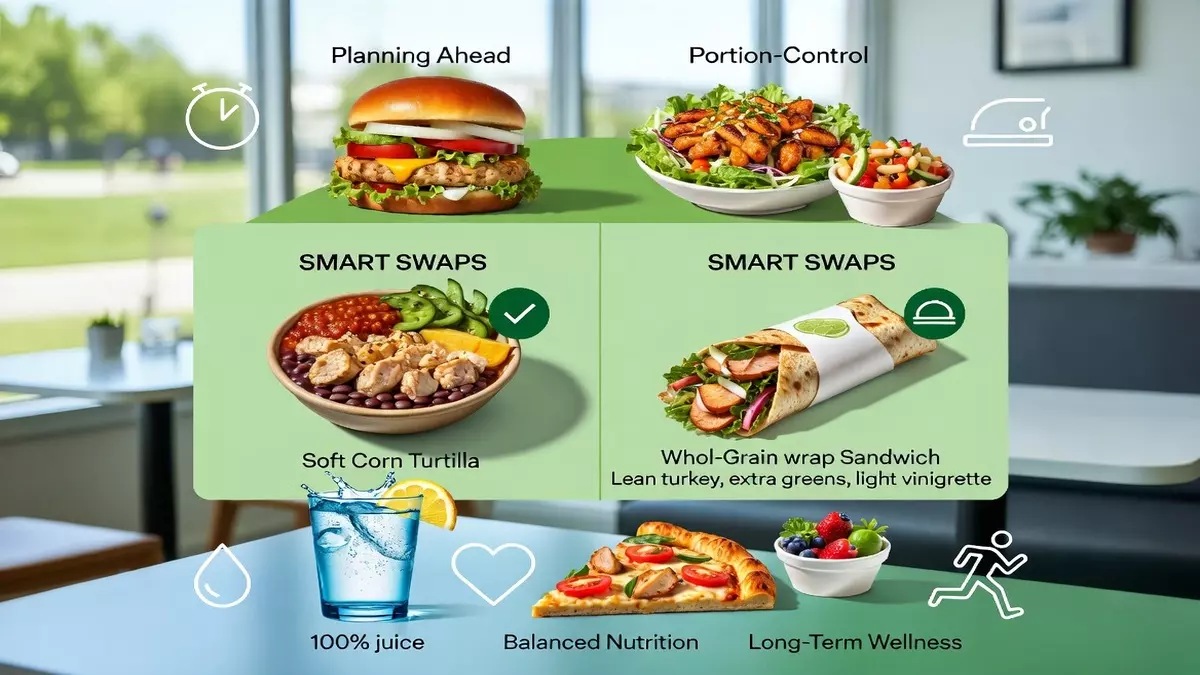
– **Burgers and Sandwiches**: Select grilled chicken or lean turkey options on whole-grain buns. Load up on lettuce, tomatoes, onions, and pickles while skipping cheese, bacon, creamy sauces, and mayo. A simple mustard or light vinaigrette adds flavor without excess calories.
– **Salads**: These can be excellent starting points, but watch dressings and toppings. Request vinaigrette on the side, and avoid croutons, crispy chicken, or heavy cheeses that transform a light base into a calorie bomb.
– **Mexican-Inspired Meals**: Go for soft corn tortillas with grilled chicken or steak, black beans, fresh salsa, and plenty of veggies. Avoid fried shells, refried beans loaded with fat, and sour cream.
These swaps maintain taste while boosting fiber and protein—nutrients that promote fullness and stable blood sugar.
### Navigating Different Fast Food Cuisines Wisely
Variety in fast food menus offers opportunities for healthier picks across cuisines.
At sandwich shops, prioritize whole-grain bread or wraps filled with lean proteins and abundant vegetables. Ask for extra greens and minimal spreads. For Asian-inspired chains, steamed rice bowls or stir-fried vegetables with tofu or lean meats outperform fried rice, sweet sauces, or crispy noodles. Choose broth-based soups over creamy ones when available.
Pizza spots allow customization too—thin crust with veggie toppings and grilled chicken beats deep-dish or extra-cheese versions. The key is emphasizing vegetables and lean proteins while minimizing processed meats and refined carbs.
### Beverage Choices That Support Your Goals
Sugary drinks often add hundreds of empty calories with zero nutritional benefit. A typical 20-ounce soda can exceed 200 calories and deliver dozens of grams of sugar. Instead, reach for water, sparkling water, or unsweetened iced tea. Enhance plain water with a lemon or lime wedge for refreshment without added sugars.
If you need a little flavor, request a small splash of 100% juice. These choices prevent unnecessary blood sugar spikes and help you stay hydrated, which supports better energy levels throughout the day.
### Building Balanced Meals and Listening to Your Body
Focus on meals that combine lean protein, fiber-rich vegetables or fruits, and moderate whole grains. Grilled items generally trump fried options, as they contain less fat and avoid potentially harmful trans fats from certain cooking oils.
Pay attention to hunger cues. Eat slowly and stop when satisfied rather than finishing everything on your tray. Request a to-go container right away to portion out half the meal for later. Sharing entrees with a companion is another practical way to enjoy variety while automatically reducing portions.
### Additional Strategies for Long-Term Success
Reading nutrition labels thoroughly remains essential. While calories are often highlighted, sodium and saturated fat content can sneak up quickly. High sodium intake links to elevated blood pressure, so those with hypertension or related conditions should be especially vigilant.
If fast food fits into your lunch, compensate at dinner with lighter, home-cooked options rich in vegetables, whole grains, and healthy fats. This daily balance prevents overall dietary imbalances.
Individuals managing chronic conditions like diabetes, high cholesterol, or heart disease benefit from consulting healthcare providers for personalized guidance. Doctors can highlight specific menu items or nutrients to prioritize or avoid based on individual health profiles.
Choosing grilled preparations over fried not only cuts calories and fat but also reduces exposure to trans fats still present in some kitchens. These small decisions accumulate into meaningful health improvements over time.
### The Benefits of Mindful Fast Food Habits
Adopting these practices doesn’t mean giving up the occasional burger or taco run. Instead, it reframes fast food as part of a flexible, realistic lifestyle. Consistent smarter choices support sustained energy, better weight management, and reduced risk for diet-related health issues.
Many people report feeling more in control and less guilty when they apply these principles. Over months, the habits contribute to improved relationship with food, making healthy eating feel achievable even on busy days.
### Conclusion: Taking Control of Quick Meals
Fast food remains a convenient reality for many Americans, but it doesn’t have to compromise your wellness journey. By emphasizing portion awareness, vegetable-forward options, lean proteins, and thoughtful beverages, you can enjoy these meals responsibly. The American Academy of Family Physicians reminds us that informed decisions create room for both convenience and health.
Next time you pull into a drive-thru, remember these strategies. Small changes lead to big differences in how you feel and how well you nourish your body amid life’s demands. Your health goals and busy schedule can coexist successfully.
### FAQ: Healthy Fast Food Choices
**1. Can fast food ever be truly healthy?**
While not ideal as everyday fare, many chains offer nutrient-dense options like grilled proteins, salads, and veggie sides. The key lies in preparation methods, portion sizes, and avoiding high-fat add-ons. Occasional smart selections fit well within a balanced diet.
**2. What are the best drinks to order for lower calories?**
Water, unsweetened tea, and black coffee are top choices. Avoid regular sodas, sweetened iced teas, and milkshakes, which pack significant hidden sugars and calories.
**3. How do I handle cravings for fried foods?**
Opt for grilled alternatives when possible, or pair a small fried item with plenty of vegetables and lean protein to balance the meal. Over time, taste preferences can shift toward lighter options.
**4. Is it better to check nutrition info before or after ordering?**
Always beforehand if possible. Advance planning prevents impulse decisions and helps you select satisfying meals that align with your nutritional targets.
**5. What should someone with diabetes focus on at fast food places?**
Prioritize protein and fiber while watching carbohydrate portions and sugary beverages. Grilled items, salads without heavy dressing, and water are generally safer. Consult your doctor for specific recommendations tailored to your treatment plan.
**6. How often is it okay to eat fast food while trying to eat healthy?**
The AAFP suggests limiting visits to once or twice monthly. Use those occasions mindfully, and focus on home-prepared meals the rest of the time for optimal results.
By integrating these approaches, healthy fast food decisions become second nature, supporting your active lifestyle without unnecessary setbacks.