
Table of Contents
- 1. 1. Guava (The Ultimate Protein Heavyweight)
- 2. 2. Avocado (Healthy Fats and Clean Aminos)
- 3. 3. Apricots (Fresh vs. Dried Concentration)
- 4. 4. Pomegranate Arils (Antioxidant-Rich Crunch)
- 5. 5. Jackfruit (The Versatile Culinary Chameleon)
- 6. 6. Passion Fruit (Tart Nutritional Powerhouse)
- 7. 7. Blackberries (Fiber and Muscle Recovery)
- 8. 8. Kiwi (The Compact Powerhouse)
- 9. 9. Cherries (The Inflammation Fighter)
- 10. Quick Reference: Nutritional Comparison Chart
- 11. Conclusion: Crafting the Perfect Synergistic Snack
- 12. Frequently Asked Questions
- 12.1. Can you build muscle by eating a fruit-only diet?
- 12.2. Why do dried fruits have more protein than fresh fruits?
- 12.3. Does cooking or blending jackfruit destroy its protein content?
- 12.4. Is the skin of the guava edible, and does it contain protein?
- 12.5. Are frozen berries just as high in protein as fresh ones?
9 Nutrient-Dense Fruits Packed with a Surprising Protein Punch
When mapping out a nutrition plan to hit your daily macronutrient targets, fruits are rarely the first food group that comes to mind. Instead, most health-conscious individuals instinctively load up their grocery carts with classic, heavy-hitting protein sources like skinless chicken breasts, eggs, lean beef, and lentils. However, nature’s sweet treats possess a much more diverse nutritional profile than they are traditionally given credit for.
While it is true that fruits generally contain lower concentrations of amino acids compared to legumes or animal products, certain exceptional varieties pack a surprising protein punch. These botanical outliers can serve as an excellent, antioxidant-rich tool to optimize your daily intake.
According to registered dietitian Allison Herries, RDN, maintaining an adequate protein intake is absolutely vital for skeletal muscle synthesis, cellular tissue repair, enzyme manufacturing, and systemic hormonal balance. To keep up with these biological demands, most physically active individuals require roughly 0.54 to 0.9 grams of dietary protein per pound of body weight every single day.

If you are looking for a refreshing, plant-forward way to edge closer to your daily fitness goals, incorporating high-protein fruits into your routine is an excellent strategy. Here is an in-depth, expert-backed guide to the nine highest-protein fruits you should start adding to your diet today.
9 Nutrient-Dense Fruits Packed with a Surprising Protein Punch
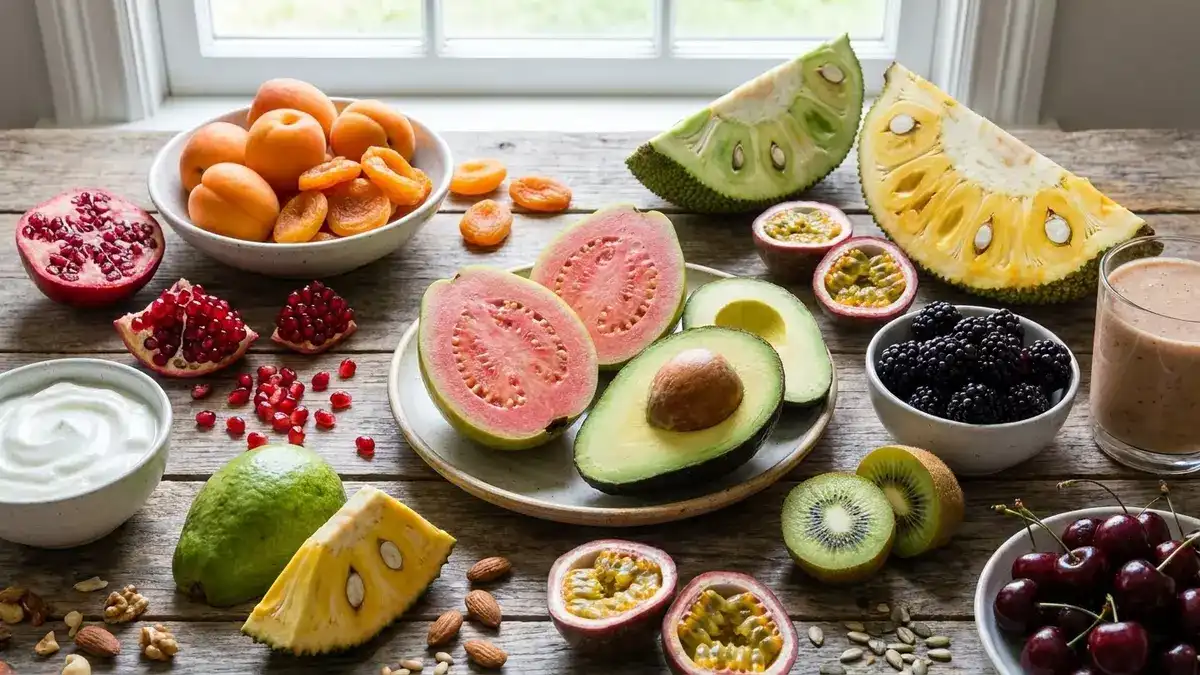
1. Guava (The Ultimate Protein Heavyweight)
When it comes to protein concentration in the fruit kingdom, guava comfortably claims the crown. A single one-cup serving of this vibrant, tropical fruit delivers an incredible 4.21 grams of protein.

Beyond its remarkable macro profile, guava is an absolute powerhouse for your immune system. That same single-cup serving floods your body with over 400% of your recommended daily value of vitamin C. This critical micronutrient acts as a powerful systemic antioxidant, neutralizing free radicals while directly fueling natural collagen production for healthy joints and youthful skin.
Dietitian’s Serving Suggestion: To balance the tropical sweetness and add a structural crunch, slice fresh guava directly into a bowl of plain, unsweetened Greek yogurt, or blend it into a post-workout recovery smoothie alongside a scoop of high-quality isolate protein powder.
2. Avocado (Healthy Fats and Clean Aminos)
Avocados are highly unique in the botanical world. While most fruits are structurally dominated by simple carbohydrates and fructose, the avocado is defined by its rich, creamy texture and savory flavor profile.

A medium-sized avocado supplies your body with roughly 4.01 grams of protein, making it a fantastic addition to any plant-based muscle-building regimen. Furthermore, avocados are packed with heart-healthy monounsaturated fatty acids, dietary fiber, vitamin E, and fat-soluble antioxidants that preserve cellular integrity and reduce arterial inflammation.
3. Apricots (Fresh vs. Dried Concentration)
Apricots offer a fascinating lesson in how food processing alters nutrient density. When consumed fresh and raw, a one-cup serving of sliced apricots provides a respectable 2.31 grams of protein.
However, when apricots undergo the dehydration process, the removal of water concentrates the remaining macronutrients. As a result, a single cup of dried apricots boasts a massive 4.41 grams of protein. Both variations are incredibly rich in beta-carotene, a vital precursor that your body converts into vitamin A to safeguard your night vision and protect your retinas from oxidative damage.
4. Pomegranate Arils (Antioxidant-Rich Crunch)
The jewel-like seeds found inside a pomegranate, anatomically known as arils, are as nutritionally impressive as they are visually striking. A one-cup portion of these crunchy, juicy seeds serves up 2.9 grams of protein.
Pomegranates are heavily studied in cardiology due to their dense concentration of specialized polyphenols and anthocyanins. These potent compounds aggressively fight systemic inflammation, reduce oxidative stress within blood vessels, and actively support optimal blood pressure levels, making this fruit a true ally for your heart.
5. Jackfruit (The Versatile Culinary Chameleon)
Hailing from tropical climates, the massive jackfruit has earned global fame among plant-based culinary chefs due to its highly unique, shredded texture and structural versatility. A one-cup serving of this tropical giant provides 2.84 grams of protein.
The Savory Meat Substitute: When harvested green and unripe, jackfruit has a neutral flavor and a texture that perfectly mimics pulled pork or shredded chicken. It beautifully absorbs seasonings and broths, making it a stellar high-protein anchor for vegan tacos, chilis, and slow-simmered curries.
The Sweet Smoothie Add-In: When allowed to ripen fully, the flesh turns a vibrant yellow and develops a sweet, tropical flavor profile reminiscent of mango and pineapple, making it a fantastic natural sweetener for protein shakes.
6. Passion Fruit (Tart Nutritional Powerhouse)
Do not let the small, wrinkled exterior of the passion fruit fool you; its interior pulp is exceptionally nutrient-dense. This exotic fruit provides roughly 2.2 grams of protein per 100-gram serving.
Characterized by an intensely tart, tropical flavor, passion fruit is loaded with protective plant compounds, including carotenoids and polyphenols. Because its bold flavor profile can easily cut through heavier textures, its seeds and pulp pair beautifully when stirred into rich, high-protein dishes like chia seed pudding or blended into tracking-friendly green smoothies.
7. Blackberries (Fiber and Muscle Recovery)
If you are looking to support muscle recovery while keeping your overall sugar intake low, blackberries are an elite option. A single cup of these dark, flavorful berries yields 2 grams of protein.
Blackberries are also widely celebrated for their incredibly high fiber-to-sugar ratio, promoting steady digestion and long-lasting satiety. Additionally, they are rich in vitamin K, a crucial nutrient that works in tandem with calcium to regulate bone density and ensure proper blood clotting mechanisms.
8. Kiwi (The Compact Powerhouse)
Kiwis may be physically small, but they pack a massive nutritional punch beneath their fuzzy brown skins. A one-cup serving of sliced kiwi delivers just under 2 grams of protein, alongside an abundance of dietary fiber, vitamin E, and proteolytic enzymes that aid in smooth digestive breakdown. Enjoy them sliced over a warm morning bowl of steel-cut oats, or pair them with a handful of raw almonds for a balanced mid-afternoon snack.
9. Cherries (The Inflammation Fighter)
While tart and sweet cherries land near the bottom of our high-protein list with 1.63 grams of protein per cup, they earn a mandatory spot in any athletic diet due to their profound recovery benefits. Cherries are packed with specific antioxidants and anti-inflammatory agents that have been clinically shown to reduce post-exercise muscle soreness, accelerate tissue repair, and lower oxidative stress following intense physical training.
Quick Reference: Nutritional Comparison Chart
| Fruit Variety | Protein Content (Per Cup) | Standout Micro Benefit | Best Culinary Application |
| Dried Apricots | 4.41 grams | High Beta-Carotene for vision | Homemade trail mixes |
| Guava | 4.21 grams | Over 400% Daily Value of Vitamin C | Post-workout tropical smoothies |
| Avocado | 4.01 grams | Heart-healthy monounsaturated fats | Salads, grain bowls, or whole-grain toast |
| Pomegranate | 2.90 grams | Anti-inflammatory anthocyanins | Oatmeal or Greek yogurt parfaits |
| Jackfruit | 2.84 grams | Highly versatile texture | Plant-based meat substitute in curries |
| Blackberries | 2.00 grams | High fiber, low sugar | Mixed into cottage cheese or skyr |
Conclusion: Crafting the Perfect Synergistic Snack
While incorporating guava, avocado, and blackberries into your meal prep is a fantastic habit, nutritionists emphasize that fruit should never be relied upon as your sole daily protein source. Instead, look at these fruits as nutritional boosters designed to enhance the macro profiles of your existing meals.
To maximize muscle synthesis and keep your blood sugar perfectly stabilized, always pair these high-protein fruits with other clean, macro-dense whole foods. Tossing berries into a bowl of organic cottage cheese, spreading avocado onto whole-grain sprouted bread, or mixing dried apricots with raw pumpkin seeds creates a perfect nutritional synergy that fuels your body for a vibrant, active lifestyle.
Frequently Asked Questions
Can you build muscle by eating a fruit-only diet?
No. While fruits provide an abundance of vital micronutrients, vitamins, and a modest amount of protein, they lack the high concentration of amino acids necessary to trigger muscle protein synthesis effectively. A fruit-only diet is also structurally deficient in essential fats and can lead to dangerous blood sugar swings due to high fructose levels. Fruit should always be consumed as a complement to a balanced diet that includes robust protein sources like legumes, nuts, seeds, or lean meats.
Why do dried fruits have more protein than fresh fruits?
The freezing or drying process removes the water weight from the fruit, causing the physical structure to shrink. Because the water is gone, the remaining solids—including the natural sugars, fibers, vitamins, and proteins—become highly concentrated by volume. However, keep in mind that dried fruit also contains significantly more sugar and calories per cup than fresh fruit, so watch your portion sizes.
Does cooking or blending jackfruit destroy its protein content?
Not at all. Blending jackfruit into a smoothie or simmering unripe jackfruit in a hot curry will not damage or degrade the amino acids contained within the plant. Heat can alter the physical shape of proteins (a process called denaturing), but your digestive system breaks down and absorbs the underlying amino acids exactly the same way whether the food is cooked, blended, or raw.
Is the skin of the guava edible, and does it contain protein?
Yes, the entire guava fruit—including the rind and the small central seeds—is completely edible and safe to consume. The skin actually holds the highest concentration of vitamin C and dietary fiber found in the fruit. Washing it thoroughly and eating it whole ensures you reap the maximum possible nutritional and structural benefits.
Are frozen berries just as high in protein as fresh ones?
Absolutely. Commercial flash-freezing simply locks the fruit at its current stage of maturity without altering its macronutrient profile. Frozen blackberries, cherries, and kiwis retain the exact same amount of protein, fiber, and vitamins as they had on the day they were picked, making them a highly cost-effective and convenient staple for your winter freezer.