
Table of Contents
- 1. The Power of Midlife Course Correction: Quitting Tobacco
- 2. Re-Evaluating Alcohol Consumption
- 3. Enjoyment Over Optimization: The Role of Food
- 4. The Protective Blanket of Genuine Social Connection
- 5. Building a Repeatable Daily Routine
- 6. Conclusion
- 7. Frequently Asked Questions
- 7.1. Why is quitting smoking in your 40s or 50s still effective for longevity?
- 7.2. Does cutting back on alcohol really make a difference if I’ve been drinking for decades?
- 7.3. How does social interaction directly impact physical health and lifespan?
- 7.4. What is the ideal type of exercise to support longevity as we age?
- 7.5. Is it necessary to completely cut out sugar to live past 100?
What a 104-Year-Old Irish Centenarian Teaches Us About Real Longevity
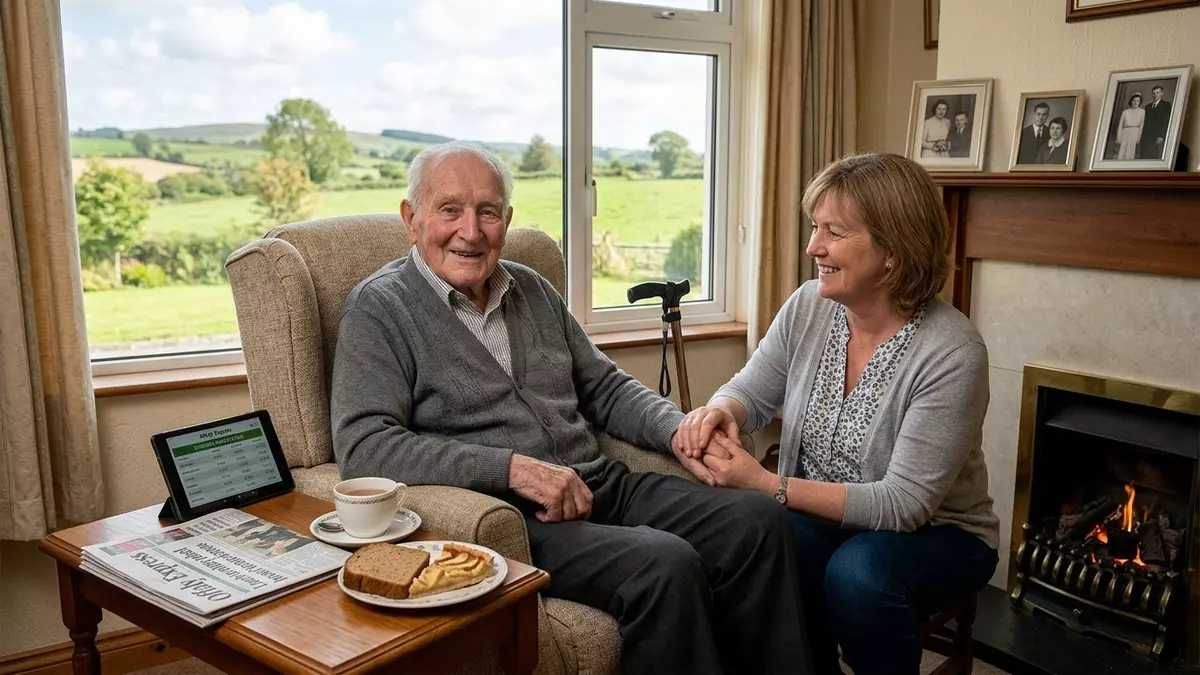
In an era dominated by complicated wellness trends, high-tech fitness trackers, and expensive anti-aging supplements, the true blueprint for a long, fulfilling life might be far simpler than we think. Consider the story of Paddy Claffey. At 104 years old, Claffey still resides in his own home in the rural landscape of County Offaly, Ireland. When asked what he credits for his extraordinary longevity, his answers cut straight through the modern noise: hard work, a hearty appetite, a lifetime of avoiding alcohol, and walking away from cigarettes at the age of 45.
While individual centenarian stories are often scrutinized in a search for a single, magical “secret weapon,” public health experts emphasize that true longevity is rarely about a single variable. Instead, Claffey’s practical routine highlights foundational, common-sense habits that align perfectly with global epidemiological research. By eliminating high-risk behaviors and establishing an easily repeatable daily rhythm, we can build a strong baseline for long-term vitality.
What a 104-Year-Old Irish Centenarian Teaches Us About Real Longevity

The Power of Midlife Course Correction: Quitting Tobacco
One of the most profound details of Claffey’s life story is that he was once a smoker, but he made the definitive decision to quit at age 45. This choice serves as a powerful reminder that midlife is never too late to reclaim your long-term health.
The clinical data surrounding smoking cessation is stark. A major pooled analysis followed approximately 1.48 million adults across the United States, the United Kingdom, Canada, and Norway for roughly 15 years. The findings revealed that current smokers face 2.7 to 2.8 times the risk of premature death compared to those who have never smoked, effectively stripping 12 to 13 years off a lifespan between the ages of 40 and 79.
Continued Smoking  ---> Loses 12 to 13 years of life expectancy
Quitting < 3 Years ---> Averts roughly 5 years of life lost
Quitting 10+ Years ---> Averts roughly 10 years of life lost; approaches never-smoker status
The true encouraging takeaway from this extensive study is how rapidly the human body initiates cellular repair. Tangible survival benefits become evident just three years after smoking cessation. For individuals who maintain a smoke-free life for a decade or longer, their overall survival trajectory begins to closely mirror that of people who never picked up a cigarette in the first place. Walking away from tobacco stands as the single largest behavioral lever an individual can pull to extend their lifespan.

Re-Evaluating Alcohol Consumption
Claffey’s lifetime abstinence from alcohol may seem unusual in a modern culture where a drink is deeply woven into social gatherings. However, global health organizations are increasingly questioning the historical notion that “moderate” alcohol consumption carries cardioprotective benefits.
The World Health Organization (WHO) maintains a clear, data-driven stance on the matter: there is no scientifically identifiable threshold below which alcohol’s carcinogenic risks completely drop to zero. Cardiovascular and oncology data indicate that health risks scale continuously with consumption, meaning that cutting back at any stage of life is a meaningful direction for your health. For those who already choose not to drink, public health guidelines confirm there is absolutely no medical reason to start.
Enjoyment Over Optimization: The Role of Food
In addition to his core habits, Claffey fondly points to his late wife Margaret’s homemade brown bread and traditional apple tarts as staples of his diet. This lighthearted acknowledgment underscores a vital aspect of sustainable wellness: longevity is meant to be lived, not cold-heartedly optimized.
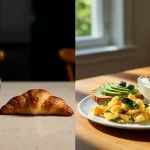
Strict Dietary Perfection (Unsolicited Stress) < Consistent Base of Real Foods + Occasional Treats
Enjoying traditional home-baked items is entirely compatible with a long life, provided your baseline dietary pattern remains stable and nutritious. The primary hurdle in modern Western diets is rarely an occasional slice of home-baked pie; rather, it is the chronic, daily drift toward ultra-processed, sodium-dense, and hyper-palatable convenience foods.
The Dietary Guidelines for Americans emphasizes a straightforward, accessible message: build your core meals around real, whole foods, while consciously limiting added sugars and highly refined carbohydrates. True dietary success is found in long-term repetition, not flawless dietary perfection.
The Protective Blanket of Genuine Social Connection
Beyond physical diet and exercise, Claffey’s longevity is anchored by a robust social support network. Since his wife passed away in 2004, his family has maintained a reliable, rotating care schedule, ensuring he enjoys daily companionship and never spends a night alone.
This consistent human contact provides profound psychological and physiological protection against stress. The WHO’s Commission on Social Connection highlights loneliness as a severe global public health threat, affecting roughly 1 in 6 individuals worldwide and contributing directly to over 871,000 deaths annually.
| Social Metric | Cardiovascular & Immune Impact | Long-Term Outcome |
| Chronic Isolation | Elevates systemic cortisol; drives vascular inflammation. | Increased risk of stroke, cognitive decline, and early mortality. |
| Active Connection | Stabilizes nervous system; buffers against daily life stressors. | Enhanced cellular resilience and superior physical longevity. |
Building a Repeatable Daily Routine
Even at 104, Claffey maintains a structured, mentally engaging routine. He wakes up around 10:00 AM, checks local livestock mart prices on his tablet, reads the daily newspaper, follows sports, and navigates his neighborhood on a mobility scooter when weather permits.
While a predictable routine might not sound glamorous, it provides invaluable cognitive stimulation and physical purpose. To emulate these long-term benefits in your own life without chasing impossible fountains of youth, focus on these actionable, everyday pillars:
Prioritize Safe, Consistent Movement: The Centers for Disease Control and Prevention (CDC) recommends that adults aim for 150 minutes of moderate-intensity physical activity alongside two days of dedicated muscle-strengthening exercises every week. Find an activity you genuinely enjoy—whether it’s brisk walking, swimming, or gardening—so it feels natural to repeat.
Weave Connection Into Your Rhythms: Ensure your active habits involve other people. Establish a weekly walking group, host a recurring family dinner, or schedule dedicated phone free check-ins with friends.
Keep Your Mind Active: Stay anchored in your local community, learn new technologies, and keep up with current events to foster critical cognitive reserve as your brain matures.
Conclusion
Paddy Claffey’s century-spanning journey shows us that a long, healthy life is built on a foundation of simple, consistent habits. By removing major health risks like smoking, keeping alcohol intake low, moving consistently, and staying close to family and friends, you can build lasting resilience. True wellness isn’t found in a complicated routine—it is forged through the simple habits we practice every day.
Frequently Asked Questions
Why is quitting smoking in your 40s or 50s still effective for longevity?
The human respiratory and cardiovascular systems possess an incredible capacity for self-repair. Once you stop inhaling tobacco smoke, your blood pressure stabilizes, your lung function improves, and your lifetime risk of heart disease and stroke drops rapidly, adding years of high-quality life back to your baseline.
Does cutting back on alcohol really make a difference if I’ve been drinking for decades?
Absolutely. Reducing your alcohol intake at any age immediately reduces the filtration workload on your liver, helps lower systemic blood pressure, improves nightly sleep architecture, and reduces chronic inflammation throughout your vascular system.
How does social interaction directly impact physical health and lifespan?
A strong social circle acts as a powerful buffer against stress. Close relationships lower the body’s production of cortisol and adrenaline. Keeping these stress hormones low protects your heart from long-term wear, reduces arterial inflammation, and strengthens your immune system.
What is the ideal type of exercise to support longevity as we age?
The best exercise is the one you can perform safely and consistently. A balanced longevity routine should include low-impact aerobic exercises like walking, swimming, or cycling to protect your heart, combined with gentle resistance training to preserve critical muscle mass and bone density.
Is it necessary to completely cut out sugar to live past 100?
Not at all. The key is moderation and overall dietary context. Centenarians worldwide routinely enjoy traditional desserts and local treats. The secret lies in ensuring that these items remain true occasional treats, while the overwhelming majority of your daily meals are built around nutrient-dense, whole ingredients.