
Table of Contents
**B12 and Cancer: Why Your Levels Matter More Than You Think**
Vitamin B12 often flies under the radar as one of those essential nutrients most people assume they get enough of. Yet emerging research reveals a nuanced story: both too little and unusually high levels in the body may connect to cancer risks in surprising ways. The key isn’t avoiding this vital vitamin—it’s understanding how dose, timing, and individual health factors shape its impact.
For years, health experts have promoted B12 for energy, nerve health, and overall wellness. But recent studies highlight why a one-size-fits-all approach falls short. This isn’t about ditching your multivitamin. It’s about informed balance and recognizing when blood tests might signal something deeper.
B12 and Cancer Why Your Levels Matter More Than You Think

### What Makes Vitamin B12 Essential for Health
Vitamin B12, or cobalamin, plays a foundational role in keeping your body running smoothly. It supports red blood cell formation, maintains healthy nerve cells, and aids DNA synthesis—the process that copies genetic instructions in nearly every cell. Adults typically need about 2.4 micrograms daily, with slightly higher amounts recommended during pregnancy and breastfeeding.
Natural food sources shine brightest in animal products: fatty fish like salmon, lean meats, eggs, milk, cheese, and yogurt. Plant-based eaters, including vegans and some vegetarians, often rely on fortified cereals, nutritional yeast, or plant milks. Older adults, people with digestive conditions like pernicious anemia or Crohn’s, and those on certain medications may absorb less B12, making testing and supplementation crucial.

**Common Signs of Low B12 Levels**
Deficiency creeps up gradually but can cause significant issues: persistent fatigue, weakness, tingling in hands and feet, balance problems, memory fog, mood changes, and even anemia. Left unaddressed, it risks permanent nerve damage. That’s why doctors routinely check levels in at-risk groups and why supplements have become a lifeline for millions.
### The Emerging Cancer Connection: Not as Simple as It Seems
Cancer develops through complex DNA changes, and B12 supports the very mechanisms cells use to repair and replicate genetic material. Severe deficiency could theoretically impair these processes over time, potentially raising risks for certain cancers like colorectal. However, experts emphasize this doesn’t mean B12 prevents or causes cancer outright.

A 2022 scoping review by Rima Obeid from Saarland University Hospital analyzed human studies and concluded the evidence linking high B12 intake, blood levels, or supplementation directly to cancer remains inconsistent. No clear causal proof emerged across the board, though some patterns warrant closer attention.
### The U-Shaped Risk Pattern in Dietary Intake
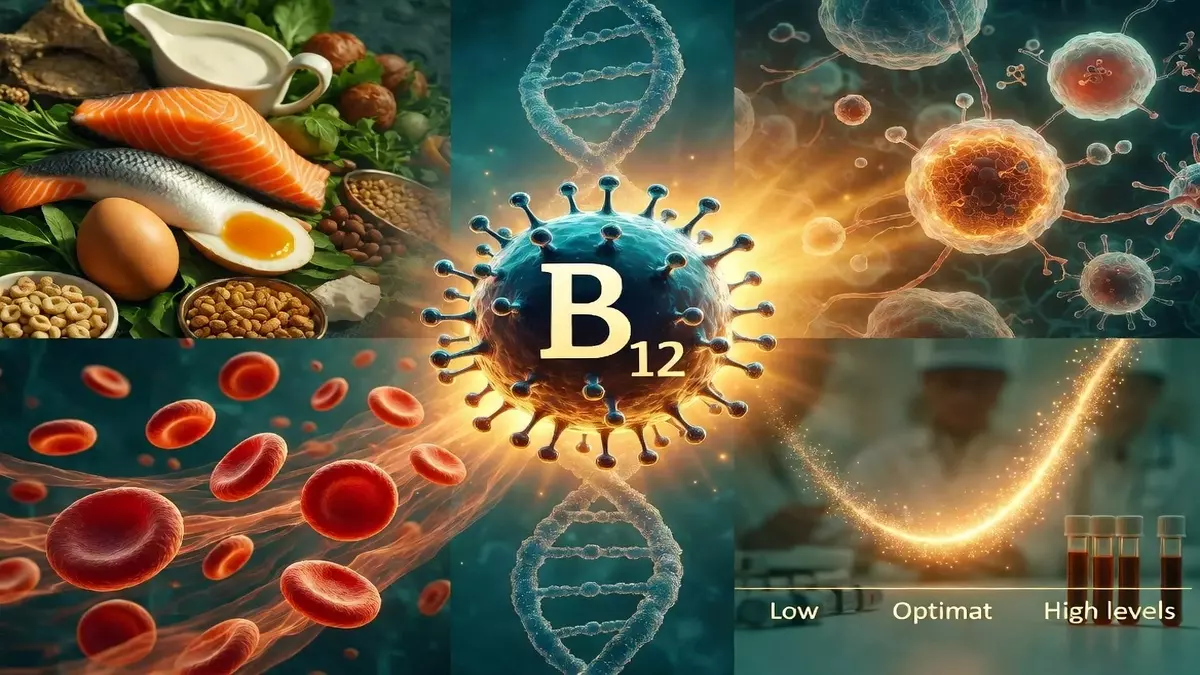
One intriguing finding comes from a large Vietnam case-control study involving over 3,700 cancer cases and nearly 3,000 controls. Researchers observed a U-shaped relationship: cancer risk appeared elevated at both the lowest and highest ends of dietary B12 intake compared to moderate levels.
Importantly, even the “higher” intake group averaged around 3 micrograms daily—well within typical ranges and far from megadose territory common in some supplements. As an observational study, it shows association, not causation. Factors like overall diet, lifestyle, or undetected health issues could influence results.
This Goldilocks-style pattern—where “just right” seems protective—echoes in other nutrient research but requires cautious interpretation. More high-quality studies are needed before changing public health recommendations.
### Why Blood Levels Tell a Different Story
Dietary intake doesn’t always match circulating B12. The liver stores substantial reserves, and blood tests reflect absorption, transport proteins, and release dynamics. Elevated blood B12 sometimes appears in people without heavy supplementation.
In cancer patients, high readings may act as a marker rather than a driver. Liver involvement, aggressive tumors, or altered binding proteins can release or retain more B12 in circulation. A 2024 systematic review led by Sandra B. Amado-Garzon noted associations between elevated B12 and increased cancer risk but stressed uncertainty, especially possible reverse causality—where the disease itself elevates levels.
### New Insights from Colon Cancer Research
Recent data on colorectal cancer adds nuance. A study by Bruce Chang-Gu and colleagues at the University of Texas Medical Branch, published in *Cancer Research Communications*, examined over 37,000 patients. Very high B12 levels correlated with shorter survival times and greater metastasis risk.
Researchers positioned elevated B12 as a potential biomarker—a measurable indicator doctors can use with imaging, symptoms, and other labs—not a definitive verdict. This helps explain why routine high readings in non-supplement users deserve medical follow-up rather than immediate alarm.
### Practical Takeaways for Everyday Wellness
Most people shouldn’t panic over standard multivitamins or occasional B12 supplements. Deficiency poses real, treatable dangers that far outweigh hypothetical risks for the average person. Vegans, older adults, and those with absorption issues particularly benefit from monitoring.
**When to Exercise Caution**
– Long-term megadosing (far exceeding daily needs) without medical supervision.
– Unexplained persistently high blood levels in someone not supplementing heavily.
– Underlying conditions affecting liver, kidneys, or blood proteins.
Always consult a healthcare provider for personalized advice. Blood tests for B12 should pair with markers like methylmalonic acid or homocysteine for a fuller picture of functional status.
### Supporting Overall Health Beyond B12
A balanced diet rich in whole foods supports B12 alongside other key nutrients like folate, B6, and antioxidants that aid DNA protection. Regular physical activity, avoiding smoking, limiting alcohol, and routine screenings remain cornerstones of cancer prevention. Supplements fill gaps but don’t replace lifestyle fundamentals.
For plant-based dieters, fortified options or sublingual/cyanocobalamin supplements offer reliable absorption. Regular testing every few years—or more frequently if symptoms arise—helps maintain optimal ranges without excess.
### The Bigger Picture: Context Over Fear
The vitamin B12 and cancer discussion reminds us biology rarely offers simple answers. Too little clearly harms nerve and blood health. Abnormally high blood levels may flag other issues rather than directly fueling disease. Ongoing research continues refining these relationships, but current evidence supports moderation and medical guidance.
By staying informed, getting tested when needed, and focusing on sustainable habits, you empower better health decisions. B12 remains a critical ally—just one best approached with awareness of your unique body and circumstances.
### FAQ: Vitamin B12 and Cancer Concerns
**1. Does taking B12 supplements increase my cancer risk?**
Current evidence does not support that standard doses cause cancer. High blood levels sometimes associate with cancer diagnoses, but often as a consequence rather than cause. Discuss high-dose or long-term use with your doctor.
**2. Who should get their B12 levels checked regularly?**
Vegans, vegetarians, adults over 50, people with gastrointestinal disorders, and those on metformin or acid-reducing medications benefit most. Symptoms like fatigue or numbness also justify testing.
**3. What foods provide the most natural B12?**
Animal products top the list: clams, beef liver, fish, eggs, and dairy. Fortified breakfast cereals and nutritional yeast work well for plant-based diets.
**4. Can low B12 actually contribute to cancer development?**
Severe, prolonged deficiency may impair DNA repair, potentially raising risks over time. However, this link isn’t definitive, and correcting deficiency supports overall health.
**5. Should I stop B12 if my blood test shows high levels?**
Not without professional advice. High readings can stem from supplements, liver issues, or other conditions. Your doctor may investigate further while evaluating cancer markers or other causes.
**6. How does B12 interact with other B vitamins for cancer prevention?**
B12 works synergistically with folate and B6 in one-carbon metabolism. Balanced intake from diet or appropriate supplements supports cellular health, but megadoses lack strong preventive evidence.
**7. What’s the safest way to supplement B12?**
Follow recommended daily allowances unless deficient. Forms like methylcobalamin or cyanocobalamin are generally well-absorbed. Periodic blood monitoring ensures levels stay appropriate.
This evolving science underscores personalized nutrition. Prioritize whole-body health, professional guidance, and evidence-based choices for the best outcomes.