
Table of Contents
**Daily Stair Climbing: The Top Balance Exercise for Seniors Over 65**
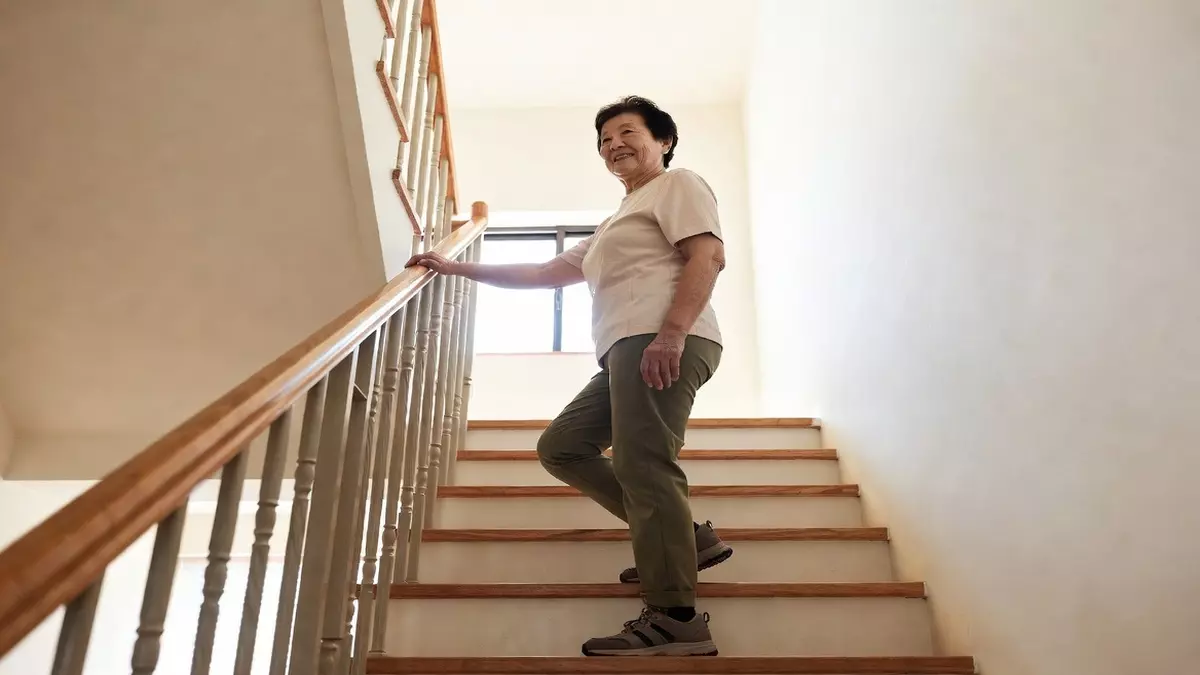
As we age past 65, staying steady on our feet and maintaining strength becomes essential for independence and quality of life. While many seniors consider traditional workouts like lifting weights or running, one highly effective exercise is already built into everyday life: stair climbing. This simple, no-equipment activity delivers powerful benefits for balance, leg strength, coordination, and heart health without requiring a gym or special gear.
Unlike isolated exercises that target one muscle group, stair climbing engages multiple systems at once. It challenges your lower body, core, and cardiovascular system in a functional way that directly translates to daily movements like getting out of a chair, walking safely, or carrying groceries. For older adults looking to reduce fall risk and stay active longer, this everyday habit offers one of the most practical and effective solutions available.
Daily Stair Climbing The Top Balance Exercise for Seniors Over 65

### Why Stair Climbing Stands Out for Seniors Over 65
Stair climbing is a weight-bearing, functional movement that mimics real-life demands. When you climb stairs, you lift your entire body weight against gravity with each step. This action strengthens the quadriceps, hamstrings, glutes, calves, and core muscles while improving joint stability around the knees and hips.
Balance improves because every step requires coordination and proprioception—the body’s sense of position in space. Regular practice helps train these systems, making sudden movements or uneven surfaces less risky. Research consistently shows that activities involving vertical movement can enhance leg power and reduce fall incidents, which are a leading cause of injury among older adults.

Cardiovascular benefits add another layer of value. Even short bursts of stair climbing raise heart rate safely for most healthy seniors, supporting better circulation and endurance. Unlike flat walking, the vertical effort provides higher intensity in less time, making it efficient for those with busy schedules or limited energy.
This exercise also supports bone health through weight-bearing stress, which stimulates bone density maintenance—an important factor in preventing fractures as we age.
### How Stair Climbing Improves Balance and Strength More Effectively Than Many Gym Routines

Many seniors turn to seated exercises or light weights for safety, but stair climbing offers unique advantages. It builds functional strength that directly supports daily activities. Stronger glutes and quadriceps, for example, make rising from a seated position easier and improve walking stability.
The dynamic nature of stair climbing also enhances neuromuscular coordination. Each step forces quick adjustments in posture and weight distribution, training the brain and muscles to work together more efficiently. Over months, this can lead to better posture, reduced sway while standing, and greater confidence when moving around the house or community.
Compared to stationary exercises, stairs provide a natural progression. You control the intensity by adjusting speed, number of flights, or adding light pauses. This adaptability makes the habit sustainable for different fitness levels and allows gradual improvement without overwhelming the body.
### Practical Ways Seniors Can Build a Daily Stair Climbing Routine
Starting small prevents injury and builds confidence. Here’s how to incorporate stair climbing safely and effectively:
**Begin with One Flight at a Time**
Start by climbing just one flight of stairs once or twice daily. Focus on slow, controlled steps using the railing for support. As comfort increases, add more flights or repeat the climb.
**Integrate It Into Your Normal Day**
– Take the stairs instead of the elevator at the doctor’s office, grocery store, or apartment building.
– At home, make multiple trips up and down for household tasks.
– Break sessions into short segments: one flight in the morning, one mid-day, and one in the evening.
**Use Support and Proper Form**
Always use the handrail, especially when going down stairs, as descending places more stress on the knees. Keep your posture upright, look forward, and place your full foot on each step. Avoid rushing—controlled movement builds strength more safely than speed.
**Modify When Needed**
If full flights feel challenging, use a single sturdy step platform or the bottom step of your staircase for repeated step-ups. This mimics the motion while reducing overall demand. Many seniors find this a gentle starting point before progressing to actual stairs.
Consistency matters more than intensity. Even 5-10 minutes total spread across the day can produce noticeable improvements in balance and leg power within a few weeks.
### Safety Guidelines Every Senior Should Follow
While stair climbing is generally safe and beneficial, older adults should prioritize caution:
– Consult your doctor before starting, especially if you have heart conditions, joint replacements, severe arthritis, dizziness, or recent falls.
– Stop immediately if you feel chest pain, severe shortness of breath, dizziness, or sharp joint pain.
– Wear supportive, non-slip shoes with good grip.
– Ensure good lighting on your stairs and keep them clear of clutter.
– Descend slowly and carefully, as this phase often challenges balance more than climbing up.
For those with significant mobility limitations, physical therapy guidance can help create a modified program that still captures the benefits.
### Long-Term Benefits Beyond Balance and Strength
Regular stair climbing contributes to healthy aging in multiple ways. Improved leg strength supports better mobility, reducing dependence on others for daily tasks. Enhanced cardiovascular fitness helps manage blood pressure and supports overall energy levels.
Many seniors also report mental health benefits. The sense of accomplishment from mastering stairs boosts confidence and mood. Social opportunities, such as joining community walking groups that include stairs, add emotional well-being through connection.
Over years, these small daily efforts can help preserve independence, lower healthcare costs related to falls, and improve quality of life well into the 80s and beyond.
### Combining Stair Climbing with Other Senior-Friendly Habits
For comprehensive results, pair stair climbing with complementary activities:
– Gentle stretching or yoga for flexibility
– Balance-specific exercises like standing on one foot (with support)
– Light resistance training using body weight or bands
– Regular walking on flat surfaces for recovery days
A balanced approach prevents overuse while maximizing total-body benefits. Nutrition also plays a role—adequate protein, calcium, and vitamin D support muscle and bone health alongside movement.
### Common Mistakes Seniors Make with Stair Climbing
Avoid these pitfalls to stay safe and progress steadily:
– Starting too aggressively and risking strain
– Ignoring pain signals instead of modifying the activity
– Neglecting the descent phase, which requires control
– Skipping warm-up movements like marching in place before climbing
Listen to your body and progress gradually. Many seniors find that patience leads to sustainable long-term success.
### Real-World Success Stories from Active Seniors
Countless older adults have transformed their mobility through consistent stair use. Some report walking farther with less fatigue, while others regain confidence navigating community spaces. These small wins often encourage further healthy habits, creating positive momentum.
The accessibility of stairs makes this habit particularly powerful—it fits real life rather than requiring major schedule changes.
### Conclusion: Make Stair Climbing Your Daily Strength and Balance Ally
For seniors over 65, stair climbing offers a straightforward, highly effective way to build strength, improve balance, and support long-term independence. This functional exercise requires no special equipment and delivers results that directly enhance everyday living. By starting small, using proper form, and staying consistent, you can enjoy greater stability, stronger legs, and better overall vitality.
The best time to begin is now. Look for opportunities in your home and community to add a few flights daily. Over time, these simple choices can help you stay active, confident, and independent for years to come. Small daily efforts truly create meaningful, lasting improvements in how you move through life.
### FAQ: Stair Climbing for Seniors Over 65
**1. How many flights of stairs should seniors climb daily?**
Start with 1-2 flights and gradually build to 5 or more spread throughout the day. Consistency matters more than volume at the beginning.
**2. Is stair climbing safe for seniors with knee arthritis?**
It can be beneficial for strengthening supporting muscles, but start very slowly with railing support. Consult a doctor or physical therapist for personalized guidance.
**3. Does going down stairs provide the same benefits as going up?**
Descending works muscles differently and improves control and balance. Use extra caution and handrails when going down.
**4. What if I don’t have stairs in my home?**
Use public stairs at stores or community centers, or invest in a low step platform for home step-ups that mimic the motion safely.
**5. How soon can seniors expect to see balance improvements?**
Many notice better stability and leg strength within 4-6 weeks of consistent practice. Results vary based on starting fitness level.
**6. Should I combine stair climbing with other exercises?**
Yes. Pairing it with walking, gentle stretching, and balance drills creates a well-rounded program for overall mobility and fall prevention.
**7. When should a senior stop stair climbing and seek medical advice?**
Stop immediately if you experience chest pain, severe dizziness, joint swelling, or unusual fatigue, and consult your healthcare provider.