
Table of Contents
**Harvard’s Red Meat Warning Every Parent Needs to Know**
Many well-meaning parents think they’re making healthy choices by serving burgers, tacos, or bacon as regular family favorites. But Harvard nutrition experts say one common protein should appear far less often on children’s plates. According to the Harvard T.H. Chan School of Public Health’s Kid’s Healthy Eating Plate, limiting red meat can support better long-term health and help kids develop stronger eating habits from an early age.
This straightforward guidance isn’t about eliminating meat completely — it’s about making smarter swaps that reduce health risks while still providing the nutrients growing bodies need. Here’s what every parent should understand about red meat consumption in kids and how small changes can make a big difference.

Harvard’s Red Meat Warning Every Parent Needs to Know

### Why Harvard Recommends Limiting Red Meat for Kids
Harvard’s Kid’s Healthy Eating Plate emphasizes that not all proteins are created equal. While children need adequate protein for growth, muscle development, and brain function, the source of that protein matters significantly.
Research highlighted by Harvard shows that eating red meat — such as beef, pork, and lamb — more than twice a week may increase the risk of type 2 diabetes later in life. The concern isn’t just the meat itself, but the “protein package” that comes with it: saturated fats, sodium in processed versions, and compounds formed during high-heat cooking.

Most American children already consume more red and processed meats than recommended. This pattern can contribute to higher inflammation, unhealthy cholesterol levels, and even weight gain over time. By shifting toward more plant-based and leaner proteins, parents can help protect their kids’ future health without sacrificing flavor or satisfaction at mealtime.
### Understanding the Harvard Kid’s Healthy Eating Plate
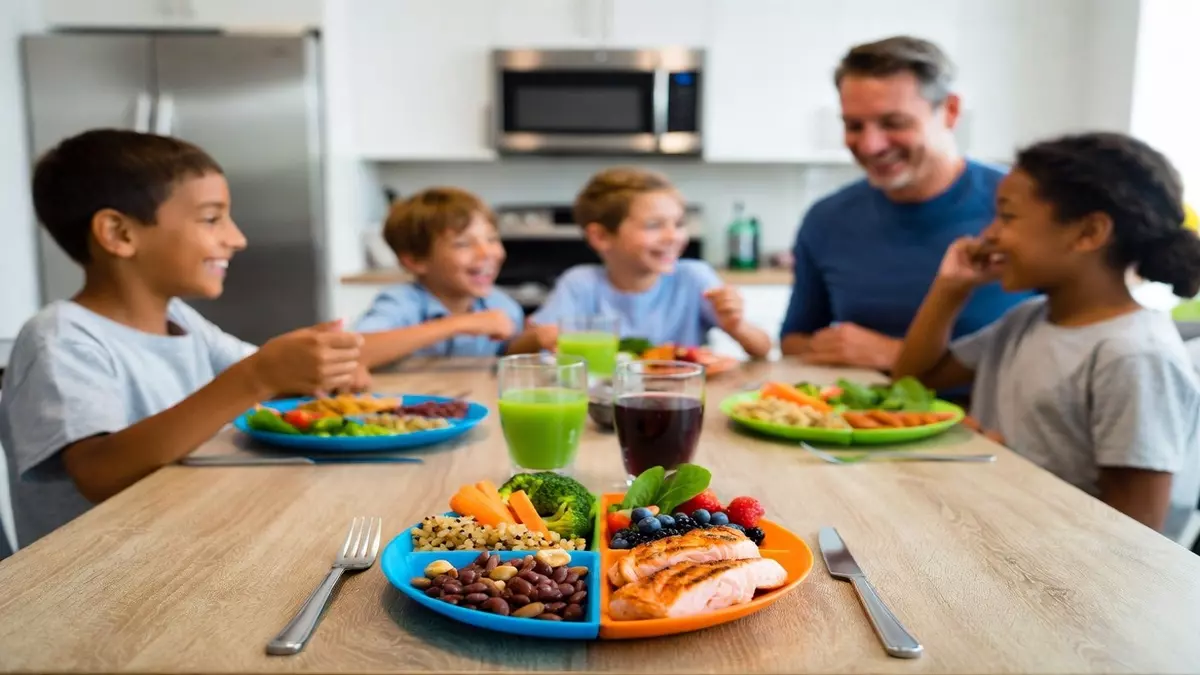
The Kid’s Healthy Eating Plate serves as a practical visual guide for building balanced meals. It recommends filling half the plate with colorful fruits and vegetables, a quarter with whole grains, and the remaining quarter with healthy proteins.

Key principles include:
– Prioritizing variety and color in produce
– Choosing minimally processed whole grains
– Focusing on quality fats from plants
– Limiting sugary drinks and processed foods
This model moves beyond simple calorie counting and focuses on food quality. It recognizes that what kids eat today shapes their taste preferences and health patterns for decades.
### Health Risks Linked to Frequent Red Meat Consumption in Children
Multiple studies connect higher red meat intake during childhood with several potential concerns:
– **Increased Diabetes Risk**: Regular consumption may affect how the body processes sugar over time.
– **Higher Inflammation**: Certain compounds in red meat can promote low-grade inflammation.
– **Heart Health Impact**: Early exposure to high saturated fat levels may influence cardiovascular development.
– **Weight Management Challenges**: Processed meats often contain additives and excess calories that don’t support healthy growth.
Harvard experts stress that occasional red meat is fine for most children. The issue arises when it becomes a daily or near-daily staple, crowding out more nutrient-dense options like beans, nuts, fish, and poultry.
### Smarter Protein Choices for Growing Kids
Fortunately, there are many appealing alternatives that provide excellent protein while offering additional benefits:
**Plant-Based Powerhouses**
Beans, lentils, chickpeas, tofu, and edamame deliver protein along with fiber, vitamins, and minerals. They’re budget-friendly and versatile in dishes like tacos, soups, and pasta sauces.
**Nuts and Seeds**
Almonds, walnuts, chia seeds, and peanut butter provide healthy fats and protein. They work great as snacks, in smoothies, or as toppings for oatmeal and yogurt.
**Lean Poultry and Fish**
Chicken, turkey, and fatty fish like salmon offer high-quality protein with fewer drawbacks than red meat. Aim for baked or grilled preparations rather than fried.
**Dairy and Eggs**
Plain yogurt, cheese, and eggs supply complete proteins and important nutrients like calcium and vitamin D. Choose plain varieties to avoid added sugars.
These options help children meet their protein needs while exposing them to a wider range of flavors and nutrients.
### Practical Tips for Cutting Back on Red Meat at Home
Making the transition easier doesn’t require drastic changes. Try these family-friendly strategies:
– Start with “Meatless Monday” or one meat-free meal per week.
– Use ground turkey or lentils to replace half the beef in burgers, chili, and spaghetti sauce.
– Build bowls with brown rice, beans, vegetables, and a flavorful sauce.
– Offer nut butters or hummus with fruit and veggie sticks as after-school snacks.
– Get kids involved in the kitchen — they’re more likely to try new foods they helped prepare.
Small, consistent swaps add up. Over time, children often develop a taste for these healthier options and may even request them.
### Harvard’s Complete Healthy Eating Guidelines for Kids
Beyond limiting red meat, the Kid’s Healthy Eating Plate offers these core recommendations:
**Fill Half the Plate with Fruits and Vegetables**
Aim for a rainbow of colors. Fresh, frozen, or canned options all count. Skip counting french fries or potato chips as vegetables due to their impact on blood sugar.
**Choose Whole Grains**
Opt for brown rice, quinoa, whole-wheat bread, and oats instead of refined versions.
**Include Healthy Fats**
Cook with olive oil, avocado oil, or canola oil. Nuts and seeds also provide beneficial fats.
**Make Water the Go-To Drink**
Limit 100% juice to small portions and avoid sugary sodas and sports drinks.
**Keep Dairy Moderate**
Choose plain milk or yogurt. Talk to a pediatrician about fortified plant milks or supplements if needed.
**Stay Active Daily**
Kids need at least 60 minutes of movement each day. Active play counts just as much as organized sports.
**Avoid Processed Meats**
Hot dogs, bacon, sausages, and deli meats should be occasional treats rather than everyday foods.
These guidelines work together to create balanced, sustainable eating patterns that support both physical and cognitive development.
### How to Talk to Kids About Healthier Eating
Explaining changes positively helps children adapt. Focus on how different foods help them grow strong, run faster, and feel energized. Avoid labeling foods as “bad” — instead, talk about foods that help bodies in different ways.
Make meals enjoyable by experimenting with new recipes together and celebrating colorful plates. Consistency and patience are more effective than perfection.
### Long-Term Benefits of Following Harvard’s Advice
Children who eat less red meat and more varied proteins often develop better eating habits that continue into adulthood. They may have lower risks for chronic diseases, better weight management, and improved energy levels.
Parents also benefit from these changes through simpler meal planning, potential cost savings with plant proteins, and the satisfaction of supporting their children’s wellness.
### Final Thoughts: Small Changes Create Big Results
Harvard’s recommendation to limit red meat isn’t about taking away favorite foods — it’s about building a foundation for lifelong health. By reducing red and processed meats while embracing a colorful mix of vegetables, fruits, whole grains, and diverse proteins, families can enjoy meals that taste great and nourish growing bodies.
Start with one or two simple swaps this week. Over time, these small adjustments can help your children develop healthier relationships with food and set them up for stronger, more vibrant futures. The choices you make today truly matter for tomorrow.
### FAQ: Harvard’s Kid’s Healthy Eating Plate and Red Meat
**How much red meat is okay for kids?**
Harvard suggests limiting red meat to no more than one or two servings per week. Occasional enjoyment is fine, but it shouldn’t be a daily feature.
**Are plant-based proteins complete for children?**
Yes, when eaten in variety throughout the day. Combining beans with grains, for example, provides all essential amino acids growing kids need.
**What about iron intake if we cut back on red meat?**
Great question. Leafy greens, beans, fortified cereals, and lean poultry can provide iron. Pairing these with vitamin C-rich foods improves absorption.
**Will kids actually eat less red meat?**
Many do when parents make gradual changes and offer tasty alternatives. Getting children involved in cooking helps increase acceptance.
**Is chicken considered a healthy protein for kids?**
Yes. Skinless chicken and turkey are excellent lean options that provide high-quality protein without the drawbacks of red meat.
**Should I completely eliminate red meat from my child’s diet?**
No. The goal is moderation. Special occasions and occasional meals with red meat are perfectly acceptable in a balanced overall pattern.
**Where can I find more details on the Kid’s Healthy Eating Plate?**
Harvard’s T.H. Chan School of Public Health website offers the full visual guide and additional resources for parents and educators.
Making these positive shifts doesn’t have to be complicated. With a little creativity and consistency, you can help your kids build healthier eating habits while still enjoying delicious family meals. Your children’s future health will thank you for it.