
Table of Contents
**Scientists Pinpoint Exact Spot Where Gluten Triggers Celiac Reactions**
Living with celiac disease means constant vigilance around every meal, as even trace amounts of gluten can trigger painful symptoms and long-term intestinal damage. For decades, researchers have sought to understand precisely how this autoimmune response begins. Now, a major breakthrough from McMaster University in Canada has identified the starting point: the cells lining the gut wall actively launch the immune attack on gluten.
This discovery, published in the journal *Gastrobiology*, shifts our understanding of celiac disease and brings renewed hope for better treatments beyond a strict gluten-free diet.
Scientists Pinpoint Exact Spot Where Gluten Triggers Celiac Reactions

### Understanding Celiac Disease and Its Impact
Celiac disease affects approximately 1 in 100 people worldwide, though many remain undiagnosed. It is an autoimmune disorder in which the ingestion of gluten—a protein found in wheat, barley, rye, and some oats—prompts the immune system to attack the small intestine. Common symptoms include bloating, diarrhea, abdominal pain, fatigue, and nutrient malabsorption, which can lead to anemia, bone loss, and other complications over time.
Until recently, the only effective management strategy has been complete avoidance of gluten. This new research illuminates the initial steps of the disease process, offering potential pathways to interrupt it earlier and more effectively.

### The Groundbreaking Discovery at McMaster University
Researchers at McMaster University, collaborating with international teams from the US, Australia, and Argentina, used innovative models to pinpoint where the gluten reaction originates. They developed genetically engineered mice carrying the human celiac-risk genes HLA-DQ2.5 and HLA-DQ8. These genes help the immune system recognize threats but mistakenly flag gluten as dangerous in susceptible individuals.
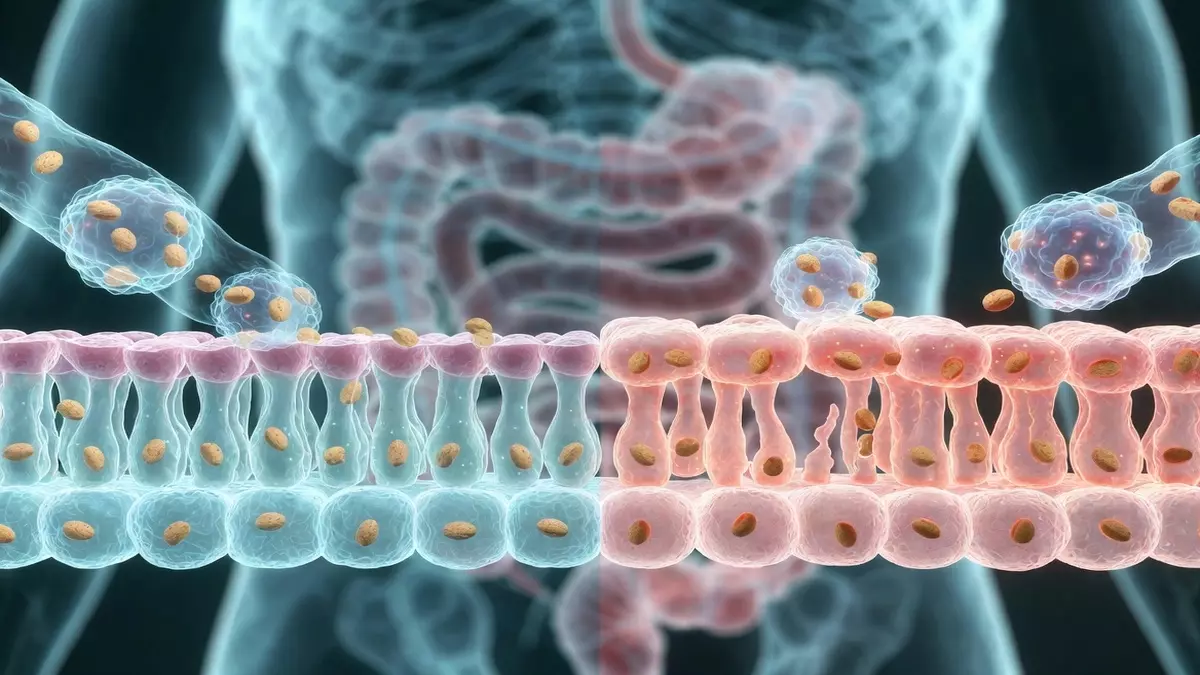
Using advanced techniques, including lab-grown miniature guts called organoids derived from these models, the team observed real-time interactions. The key finding: epithelial cells—the single layer of cells lining the small intestine—play a direct and active role, rather than being passive victims.

These cells release enzymes that modify gluten fragments, making them more recognizable to immune cells. Once altered, the gluten pieces are presented to CD4+ T cells, triggering inflammation and the characteristic damage to intestinal villi. The presence of certain bacteria can amplify this response, explaining why infections sometimes worsen symptoms.
Study co-author Tohid Didar highlighted the significance: the models allowed researchers to isolate cause and effect, proving the gut lining initiates the cascade. This challenges the previous view that the reaction occurred deeper within immune cells alone.
### How Epithelial Cells Trigger the Immune Response
The intestinal epithelium serves as the body’s first line of defense, absorbing nutrients while protecting against harmful substances. In celiac disease, these cells express MHC class II molecules (like HLA-DQ2.5), enabling them to act as antigen-presenting cells.
When gluten enters the gut, tissue transglutaminase enzymes (some originating from epithelial cells) deamidate gluten peptides, enhancing their binding to these molecules. The modified peptides then activate gluten-specific T cells, leading to cytokine release, inflammation, and eventual villous atrophy—the flattening of nutrient-absorbing structures.
This discovery integrates previous knowledge about genetic risk factors with new insights into the local gut environment. It also explains variability in symptom severity, as factors like gut microbiota composition and concurrent infections influence how strongly the epithelium signals danger.
### Implications for Future Celiac Treatments
This breakthrough opens exciting avenues for therapies that target the earliest stages of the gluten response. Instead of broadly suppressing the immune system—which carries risks—new approaches could:
– Inhibit the enzymes in epithelial cells that modify gluten
– Block MHC class II presentation on gut lining cells
– Modulate gut bacteria to reduce amplification of the response
– Develop vaccines or desensitization therapies that induce tolerance
Such interventions could one day allow people with celiac disease to consume gluten-containing foods safely, dramatically improving quality of life. Existing research on drugs like larazotide acetate or therapies targeting transglutaminase may benefit from this new understanding.
For the millions living with celiac disease, this means potential alternatives to lifelong dietary restrictions. It also raises hope for preventing complications like refractory celiac disease or associated autoimmune conditions.
### Living with Celiac Disease Today: Practical Strategies
While awaiting new treatments, proper management remains essential. A strict gluten-free diet is still the cornerstone, but it requires careful planning:
– Read labels meticulously, watching for hidden gluten in sauces, processed foods, and medications
– Use dedicated kitchen tools to avoid cross-contamination
– Focus on naturally gluten-free whole foods: fruits, vegetables, lean proteins, rice, quinoa, and certified gluten-free grains
– Work with a registered dietitian specializing in celiac to ensure nutritional adequacy, particularly for iron, calcium, and B vitamins
Support groups and apps can help navigate dining out and traveling. Regular medical follow-ups, including antibody testing and biopsies when needed, monitor intestinal healing.
Emerging tools like at-home gluten detection tests and improved labeling laws are making daily life easier, but vigilance is still required.
### The Role of Gut Microbiota and Environment
The McMaster study highlights interactions between gluten, epithelial cells, and microbiota. Certain bacteria may promote or protect against the inflammatory cascade. Ongoing research explores probiotics, prebiotics, and dietary patterns that foster a gut environment less conducive to overactive immune responses.
Environmental factors, such as early-life infections, antibiotic use, and timing of gluten introduction in infancy, also influence risk in genetically susceptible individuals. This holistic view supports comprehensive approaches combining diet, microbiome support, and future targeted therapies.
### Broader Impact on Autoimmune and Digestive Health
Celiac disease research often informs understanding of other conditions involving gut barrier dysfunction and autoimmunity, such as non-celiac gluten sensitivity, inflammatory bowel disease, and food allergies. Insights into epithelial-immune interactions could accelerate progress across these fields.
As researchers refine organoid models and humanized systems, personalized medicine becomes more feasible—tailoring treatments based on an individual’s specific genetic and microbial profile.
### Challenges and Next Steps in Research
Translating these findings into clinical therapies will take time. Safety testing, large-scale human trials, and regulatory approval are necessary. Scientists must also address why some genetically at-risk individuals never develop disease, exploring protective factors.
Funding and collaboration, as demonstrated by this multidisciplinary team, will be key to rapid progress. The study forms part of broader efforts to solve the celiac puzzle and improve outcomes for patients.
**Conclusion**
The identification of the gut epithelial cells as the starting point for gluten-triggered reactions in celiac disease represents a pivotal advance. By showing how these lining cells actively initiate the immune cascade, McMaster researchers have provided a clearer roadmap for intervention.
For patients and families affected by celiac disease, this discovery brings tangible hope that one day strict gluten avoidance may no longer be the only option. In the meantime, continued education, advocacy, and adherence to current best practices empower better health and well-being.
As science progresses, the future looks brighter for those navigating gluten-related challenges. Staying informed about research developments and working closely with healthcare providers ensures the best possible management today while anticipating transformative treatments tomorrow.
### FAQ: New Insights into Celiac Disease and Gluten Triggers
**1. What is the main discovery about gluten in celiac disease?**
Researchers found that epithelial cells lining the small intestine actively trigger the immune response by modifying and presenting gluten fragments to immune cells, rather than being only damaged by the reaction.
**2. How does this change treatment possibilities?**
It suggests therapies could target the gut lining or early processing of gluten to prevent the full immune attack, potentially allowing greater dietary flexibility in the future.
**3. Who is at risk for celiac disease?**
Individuals with HLA-DQ2 or HLA-DQ8 genes have higher risk, especially with family history. Environmental factors like infections also play a role.
**4. Can this research help with non-celiac gluten sensitivity?**
While focused on celiac, insights into gut barrier and immune responses may improve understanding and management of related sensitivities.
**5. What should someone with celiac do while new treatments develop?**
Maintain a strict gluten-free diet, monitor nutrient levels, work with specialists, and stay updated on clinical trials through organizations like Beyond Celiac or Celiac Disease Foundation.
**6. How accurate are the organoid models used in the study?**
These lab-grown gut models closely replicate human intestinal responses, allowing detailed observation of gluten interactions in a controlled setting.
**7. Is there a cure for celiac disease on the horizon?**
No cure yet, but this and similar studies are accelerating development of drugs, vaccines, and enzyme therapies that could significantly reduce or eliminate symptoms and damage.