
Table of Contents
**Tricep Dips Help Women Over 60 Build Lasting Strength**
Many women over 60 notice everyday tasks becoming more challenging. Carrying groceries, pushing open heavy doors, or simply getting up from a chair can feel harder than before. The good news? You can fight back against age-related muscle loss with smart, joint-friendly exercises. One standout movement recommended by trainers and fitness experts is the tricep dip. This simple bodyweight exercise targets key upper body muscles, improves posture, boosts functional strength, and supports greater independence in daily life.
Tricep dips offer an accessible way for women over 60 to rebuild strength without needing a gym or heavy equipment. They’re low-impact, modifiable, and deliver results when practiced consistently. This article explores why tricep dips deserve a place in your routine, how to perform them safely, complementary exercises for balanced strength, and practical tips to make strength training sustainable after 60.
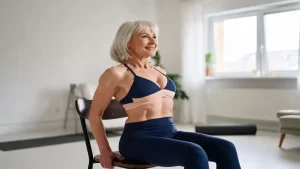
Tricep Dips Help Women Over 60 Build Lasting Strength

### Why Muscle Loss Matters After Age 60 and How to Fight It
Sarcopenia, the gradual loss of muscle mass and strength, affects many adults as they age. For women, hormonal changes during and after menopause accelerate this process, particularly in the upper body. Weaker triceps, shoulders, and core muscles make pushing, pulling, and stabilizing movements more difficult and increase fall risk.
Maintaining muscle isn’t just about appearance. Stronger muscles support bone density, improve metabolism, enhance balance, and promote better joint health. They also contribute to mental well-being by boosting confidence and reducing feelings of frailty. Research consistently shows that resistance exercises, even light ones, can slow or partially reverse muscle loss when combined with proper nutrition and recovery.

Tricep dips stand out because they engage multiple muscle groups simultaneously: the triceps (back of the upper arms), chest, shoulders, and core stabilizers. Unlike some exercises that stress wrists or shoulders excessively, dips can be adjusted to fit different fitness levels. Regular practice helps restore the ability to perform daily activities with greater ease and less strain.
### How to Perform Tricep Dips Correctly and Safely
Proper form is essential to maximize benefits and minimize injury risk. Here’s a step-by-step guide:

1. Sit on the edge of a sturdy chair, bench, or couch with your hands placed shoulder-width apart on the edge, fingers pointing forward.
2. Slide your hips forward off the seat, keeping your knees bent at about 90 degrees (or extend your legs for more challenge as you progress).
3. Keep your shoulders down and away from your ears, chest lifted, and core gently engaged.
4. Slowly bend your elbows to lower your body a few inches—only as far as comfortable while maintaining control.
5. Press through your hands to straighten your arms and return to the starting position. Avoid locking your elbows at the top.
Aim for 2–3 sets of 8–10 repetitions, resting 60–90 seconds between sets. Focus on slow, controlled movements rather than speed. Breathe out as you push up and inhale as you lower.
**Safety tips for women over 60**:
– Use a stable surface that won’t slide.
– Keep movements small if you’re new or have shoulder concerns.
– Stop immediately if you feel sharp pain (mild muscle fatigue is normal).
– Consider placing a pillow or mat underneath for cushioning.
– Consult your doctor before starting any new exercise program, especially if you have arthritis, osteoporosis, or recent injuries.
As strength improves, progress by straightening your legs more, slowing the lowering phase, or adding a brief pause at the bottom. Many women find they can perform more reps or feel steadier within just a few weeks.
### Additional Benefits Beyond Stronger Arms
Tricep dips do more than tone the backs of your arms. They enhance shoulder stability, which supports better posture and reduces upper back rounding common with aging. Improved core engagement during the move also helps with balance and spinal support.
Women often report easier performance of daily tasks: lifting objects overhead, carrying bags, or pushing themselves up from a seated position. This functional strength translates to greater confidence and independence, which are vital for quality of life after 60.
Additionally, strength training like dips can positively influence bone health by stimulating bone-building cells, potentially helping combat osteoporosis risk. The mental boost from mastering a new skill and feeling physically capable adds another layer of benefit, supporting emotional resilience and motivation to stay active.
### Complementary Upper Body Exercises for Balanced Strength
While tricep dips are highly effective, a well-rounded routine prevents imbalances and reduces injury risk. Pair them with these complementary moves 2–3 times per week:
**Wall Push-Ups**
Stand facing a wall with hands slightly wider than shoulders. Lower your chest toward the wall, then push back. This gentle variation builds chest, shoulder, and arm strength while being kind to wrists and joints.
**Bicep Curls**
Use light dumbbells, water bottles, or resistance bands. Stand tall and curl the weights toward your shoulders. This balances the triceps work and supports arm strength for pulling motions.
**Standing Rows**
Hold resistance bands or use a cable machine if available. Pull your elbows back, squeezing your shoulder blades. This strengthens the upper back, improves posture, and counters forward shoulder rounding.
**Modified Planks**
Hold a plank position on your knees, keeping your body in a straight line from head to knees. Start with short holds (10–20 seconds) and build up. This enhances core endurance, shoulder stability, and overall upper body resilience.
Perform these exercises in a circuit or as separate sets. A complete session might take 15–25 minutes, making it realistic for busy schedules. Consistency beats intensity—aim for steady progress rather than pushing limits.
### Nutrition and Recovery Strategies to Maximize Results
Exercise is only part of the equation. To build and maintain muscle after 60, prioritize protein intake (about 1.2–1.6 grams per kilogram of body weight daily) from sources like eggs, Greek yogurt, fish, chicken, beans, and nuts. Spread protein across meals for optimal muscle protein synthesis.
Stay hydrated, as dehydration can worsen muscle fatigue. Include anti-inflammatory foods such as berries, leafy greens, fatty fish, and olive oil to support joint health. Adequate sleep (7–9 hours) and stress management further enhance recovery and hormone balance.
Consider working with a trainer or physical therapist initially to refine form. Many senior-focused programs offer modifications for common conditions like arthritis or limited mobility.
### Real-World Success and Long-Term Motivation
Countless women over 60 have transformed their strength and confidence through consistent routines including tricep dips. Many report feeling more capable in daily life, sleeping better, and enjoying activities like gardening, traveling, or playing with grandchildren without limitation.
The key to long-term success is making it enjoyable. Play favorite music during workouts, track small wins in a journal, or exercise with a friend or family member for accountability and social connection. Celebrate progress milestones, whether it’s completing more reps or noticing easier daily tasks.
Remember that building muscle after 60 is absolutely achievable. Your body remains adaptable with the right stimulus, nutrition, and recovery. Small, consistent efforts compound into significant improvements over months.
### Creating a Sustainable Weekly Routine
Sample schedule for women over 60:
– Monday/Wednesday/Friday: Upper body strength (tricep dips + complementary moves)
– Tuesday/Thursday: Light walking or gentle yoga for mobility and recovery
– Weekend: Active rest or fun movement like dancing or swimming
Adjust based on energy levels and listen to your body. Rest days are crucial for muscle repair and growth.
### Overcoming Common Barriers for Women Over 60
Time constraints, fear of injury, or lack of motivation can hold people back. Start with just 10 minutes a few days a week. Short sessions still yield benefits and build the habit. Focus on how you feel after workouts—more energy, better mood, and easier movement—rather than aesthetics alone.
If joint issues arise, modify further: perform dips with feet closer or use a higher surface for less range. Professional guidance ensures safety while progressing effectively.
### Conclusion: Small Moves Lead to Big Independence
Tricep dips offer women over 60 a practical, effective way to rebuild upper body strength, enhance posture, and maintain independence. Combined with complementary exercises, proper nutrition, and consistency, this approach helps counteract muscle loss and supports vibrant, active aging.
You don’t need fancy equipment or hours in the gym. A few focused minutes several times a week can make a profound difference in how you move, feel, and live. Embrace this simple yet powerful exercise as part of your wellness journey. Your stronger, more confident future self starts with one dip at a time.
Take that first step today. Your body—and your daily life—will thank you for the investment in strength and vitality.
### FAQ: Tricep Dips and Strength Training for Women Over 60
**Are tricep dips safe for beginners over 60?**
Yes, when performed with proper form and modifications. Start with small movements and a stable surface. Consult a doctor first if you have joint concerns or health conditions.
**How often should I do tricep dips each week?**
Two to three sessions per week with rest days in between allows for muscle recovery and growth. Consistency is more important than daily training.
**Can I build muscle after age 60?**
Absolutely. With resistance exercises like tricep dips, adequate protein, and recovery, women can improve strength and muscle mass at any age.
**What if I have shoulder or wrist pain?**
Modify the exercise—use a higher surface, limit range of motion, or try alternative moves like wall push-ups. Professional guidance helps tailor the routine safely.
**Do I need weights or equipment for effective results?**
No. Bodyweight exercises like tricep dips are highly effective. Resistance bands or light dumbbells can add variety later as strength improves.
**How long until I notice improvements?**
Many women feel stronger and notice easier daily tasks within 4–6 weeks. Visible tone and greater endurance often appear after 8–12 weeks of consistent practice.
**Should I combine strength training with cardio?**
Yes. Pairing upper body strength work with walking, swimming, or other low-impact cardio creates a balanced program that supports heart health and overall fitness.