
Table of Contents
**USDA Blocks Special SNAP Discounts: What Shoppers Need to Know During Funding Uncertainty**
Millions of American families rely on the Supplemental Nutrition Assistance Program (SNAP) to put food on the table each month. Yet amid ongoing federal funding challenges from the government shutdown, the U.S. Department of Agriculture (USDA) has stepped in with a clear message to grocery stores: no special deals or discounts aimed only at SNAP users. This reminder reinforces long-standing program rules while highlighting the broader strains on food assistance during uncertain times.
For SNAP households already navigating tight budgets, this policy means shopping experiences stay consistent across all customers. No exclusive promotions or benefits just for benefit card users. The goal remains fairness and program integrity, even as larger questions about benefit timing and availability linger. Here’s a full breakdown of the situation, its implications, and practical guidance for affected families.
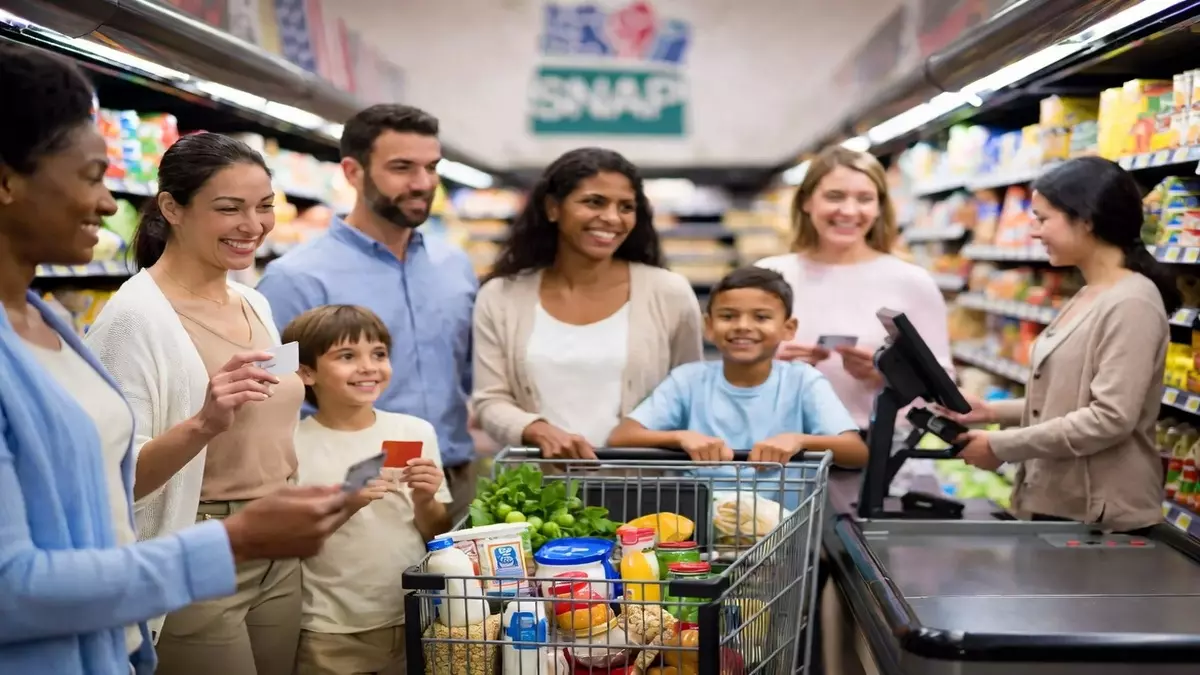
USDA Blocks Special SNAP Discounts What Shoppers Need to Know During Funding Uncertainty

### Understanding the USDA’s Equal Treatment Rule for SNAP Retailers
The USDA recently issued guidance reminding all SNAP-authorized grocery stores that they must offer eligible food items at the same prices and under identical terms to every shopper, regardless of payment method. Stores attempting to create SNAP-only discounts or perks without proper waivers risk violating federal regulations.
This “equal treatment” principle helps maintain the program’s structure and prevents potential abuses while ensuring broad access. David Cutler of the National Grocers Association (NGA), representing thousands of independent stores, confirmed the USDA’s communication emphasized compliance during the shutdown period. Independent grocers have pledged to serve all customers fairly while recognizing SNAP’s critical role in communities nationwide.

The notice arrived as federal operations face disruptions, underscoring that oversight continues even when funding streams encounter hurdles. Retailers large and small must adhere to these standards to keep their authorization to accept SNAP benefits.
### How the Government Shutdown Disrupts SNAP Benefits
The federal government shutdown that began on October 1, 2025, has created ripple effects across public services, with SNAP—one of the nation’s largest anti-hunger programs—caught in the middle. Serving more than 40 million Americans, including many children, seniors, and people with disabilities, timely benefit issuance is essential for food security.

Court interventions in places like Rhode Island and Massachusetts pushed the administration to tap contingency funds for partial November benefits. A $4.65 billion reserve helped bridge some gaps, but full monthly costs exceed $9 billion, leaving uncertainty about covering everything without straining other programs.
Some states, such as Virginia, have explored temporary local aid measures. However, most families depend on federal consistency. The USDA’s focus on equal pricing rules during this period aims to avoid further complications while higher-level funding discussions continue in Washington.
This situation echoes past shutdowns where contingency planning and legal actions played key roles in protecting vulnerable populations. Yet prolonged uncertainty takes a toll, increasing pressure on food banks, community organizations, and household budgets.
### What This Means for SNAP Shoppers at the Grocery Store
For everyday SNAP users, the USDA’s stance translates to straightforward shopping:
– **No Exclusive Deals**: Stores cannot advertise or provide discounts available only to SNAP cardholders unless they secure a formal waiver. This keeps pricing uniform whether paying with EBT, cash, credit, or other methods.
– **Standard Pricing Applies**: Regular sales and promotions open to all customers remain available. SNAP benefits stretch further during these broad promotions, as they always have.
– **Program Compliance**: Retailers risk losing authorization if they bend rules, which could reduce access points for benefit users in certain areas.
This policy protects the integrity of taxpayer-funded assistance while preventing situations where non-SNAP shoppers might feel disadvantaged. It also simplifies operations for store owners trying to navigate the shutdown’s challenges.
Families can still maximize their benefits by focusing on value:
– Shop weekly sales available to everyone.
– Prioritize staple items like produce, grains, dairy, and proteins that offer nutrition density.
– Use tools like store apps or loyalty programs (where permitted) that apply universally.
### Broader Impacts on Food Assistance and Low-Income Families
The SNAP program forms a vital safety net, helping reduce food insecurity and supporting local economies—every dollar spent generates economic activity. Disruptions from the shutdown amplify existing pressures from inflation, regional economic shifts, and post-pandemic recovery.
Many households operate with little wiggle room. A delay or reduction in benefits can force tough choices between groceries, utilities, rent, or medical needs. Independent grocers and larger chains play a key role by maintaining stable operations and clear communication.
Advocacy groups continue pushing for swift resolution to funding issues. In the meantime, the USDA’s enforcement of equal terms helps sustain trust in the system. Retailers express commitment to fairness, recognizing that supporting SNAP families strengthens entire communities.
### Practical Tips for SNAP Households During Uncertain Times
While national-level solutions unfold, families can take proactive steps:
**Budget and Stretch Benefits Effectively**
– Create a weekly meal plan centered on affordable, nutritious foods.
– Buy in bulk when non-perishables go on sale.
– Incorporate low-cost proteins like beans, eggs, and peanut butter alongside fresh produce.
**Leverage Community Resources**
– Connect with local food pantries, church programs, and school meal distributions.
– Explore state-specific emergency aid if available in your area.
– Use USDA’s SNAP locator to find nearby authorized retailers.
**Stay Informed**
– Monitor official USDA and state agency updates via websites or apps.
– Sign up for local alerts about benefit issuance.
– Contact your state SNAP office with specific questions about eligibility or timing.
**Healthy Shopping Strategies**
Focus on whole foods that provide more servings per dollar. Frozen and canned vegetables often match fresh nutrition at lower costs. Compare unit prices and consider generic brands, which frequently deliver equal quality.
For households with children or seniors, prioritize items that support growth and health while staying within monthly allotments. Many stores offer nutrition education resources that align with SNAP guidelines.
### The Role of Retailers and Future Outlook
Grocery stores, especially independents, face their own challenges during shutdowns—supply chain hiccups, staffing, and fluctuating customer traffic. By upholding equal treatment rules, they help maintain program stability.
Looking ahead, resolution of the broader funding impasse remains essential. Past experiences show that contingency measures and judicial oversight can bridge short gaps, but long-term stability requires congressional action on appropriations.
Advocates emphasize protecting SNAP’s core mission: combating hunger efficiently and effectively. Any changes to rules or funding should prioritize access and nutritional support for those who need it most.
### Why Program Rules Matter for Everyone
Uniform pricing and terms protect not just SNAP participants but the entire retail ecosystem. They prevent fragmentation that could complicate operations or raise costs indirectly. In a fair system, promotions benefit the widest possible audience, encouraging competition and value for all shoppers.
This approach also upholds public confidence in how federal nutrition assistance operates. Transparency and consistency build trust during turbulent periods.
### Conclusion: Navigating SNAP Challenges with Clarity and Resilience
The USDA’s directive on SNAP discounts reinforces fairness at the checkout during a challenging time for federal food assistance. While the government shutdown creates real hardships for millions, understanding the rules empowers families to make the most of available benefits and resources.
Shoppers should focus on universal sales, smart planning, and community support networks. Retailers continue serving diverse customers under consistent guidelines. As policymakers work toward resolution, the priority remains ensuring vulnerable Americans can access nutritious food without unnecessary barriers.
By staying informed and adaptable, families can weather this period while advocating for stronger, more reliable support systems. SNAP remains a lifeline—rules like equal treatment help keep it strong and sustainable for the long term.
### FAQ: SNAP Benefits, Discounts, and the Government Shutdown
**1. Can grocery stores offer special discounts only to SNAP customers?**
No. The USDA requires equal pricing and terms for all shoppers. Special SNAP-only deals need approved waivers, which are uncommon during funding disruptions.
**2. Will my SNAP benefits be delayed due to the shutdown?**
October benefits were generally issued on time, but November and beyond faced partial funding via contingency reserves. Check your state agency for the latest issuance schedule and court updates.
**3. How can I stretch my SNAP benefits further right now?**
Shop universal sales, plan meals around affordable staples, compare unit prices, and supplement with community food resources. Focus on nutrient-dense foods that maximize value.
**4. What should I do if my local store tries to offer SNAP-specific deals?**
Report potential violations to the USDA to maintain program integrity. Legitimate promotions should be available to all customers.
**5. Are there state-level programs helping during the federal shutdown?**
Some states like Virginia have temporary measures, but availability varies. Contact your local human services department for details on emergency food assistance.
**6. How does the equal treatment rule protect SNAP users?**
It ensures consistent access to the same products and prices, preventing discrimination while preserving retailer authorization and program fairness nationwide.
**7. Where can I find the most up-to-date information on SNAP during this period?**
Visit the official USDA Food and Nutrition Service website, your state’s SNAP portal, or reliable sources like the Center on Budget and Policy Priorities for balanced updates.
This evolving situation calls for awareness and resourcefulness. By understanding the rules and accessing available support, SNAP families can continue meeting their nutritional needs effectively.