
Table of Contents
**Why You Shouldn’t Close Bedroom Blinds Completely at Night**
Most Americans automatically shut their bedroom blinds tight every evening, hoping for uninterrupted rest. Between streetlights, noisy traffic, and unpredictable sunrise times, total darkness seems like the smart move. However, sleep researchers suggest this common habit might actually make waking up harder than it needs to be. Leaving a small gap in your blinds could provide a natural, gentle nudge that aligns your body clock and reduces that heavy morning fog many people battle daily.
In our fast-paced world where consistent good sleep feels elusive, simple environmental tweaks like this one offer real potential. Proper light management supports your circadian rhythm, helping you fall asleep faster at night and rise more refreshed in the morning. This approach balances darkness for quality rest with just enough dawn light to ease the transition into your day.

Why You Shouldn’t Close Bedroom Blinds Completely at Night

### The Hidden Problem With Pitch-Black Bedrooms
Your body relies on more than an alarm clock to wake up effectively. Light serves as one of the most powerful signals for your internal clock. According to guidance from health authorities, the natural cycle of light and dark helps regulate when you feel alert versus sleepy. When your room stays completely dark even after sunrise, your brain receives mixed signals—the alarm says “time to start,” but the environment says “keep resting.”
This mismatch often leads to prolonged grogginess. Sleep inertia, the scientific term for that post-wake fog, can include sluggish thinking, disorientation, and lower performance. Studies indicate it may last anywhere from a few minutes to several hours depending on how deeply you were sleeping, how much rest you got previously, and your natural body rhythms. For shift workers, parents with early-rising kids, or anyone with demanding morning schedules, this daily struggle adds unnecessary stress.

Completely blocking all light might help you drift off initially, especially in bright urban settings. Yet it can backfire by delaying your natural wake response, making those first moments of the day feel heavier and less productive.
### How a Small Gap in the Blinds Makes a Big Difference
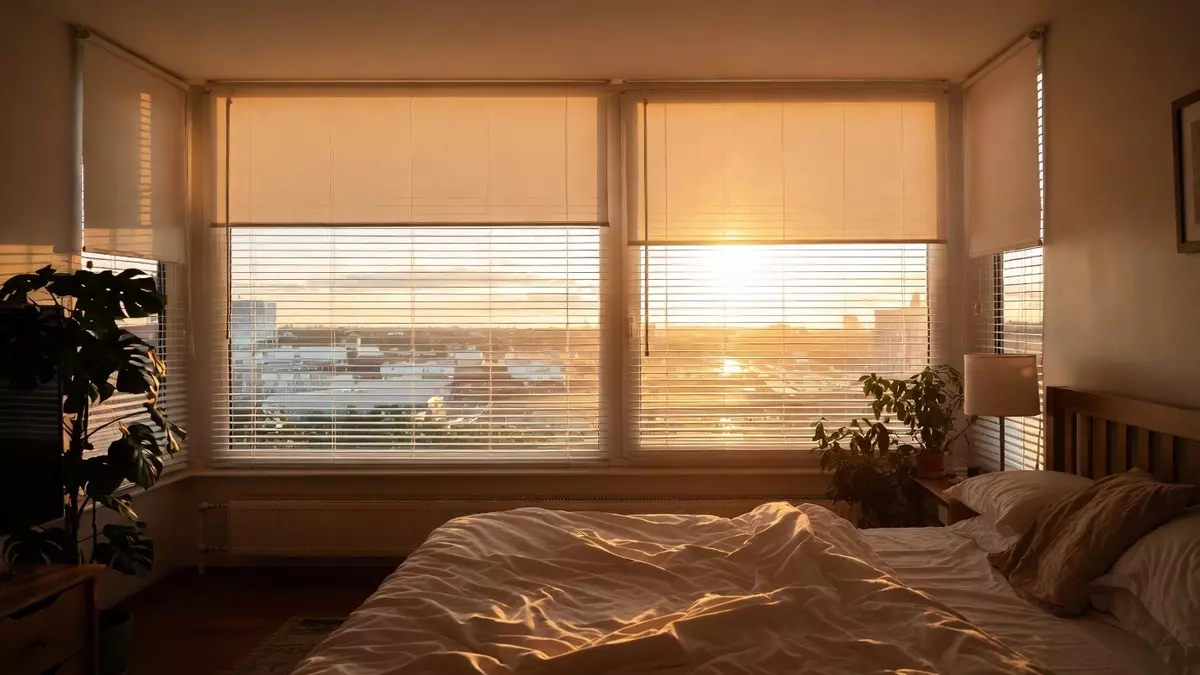
The solution is surprisingly straightforward. Instead of sealing your blinds, shades, or shutters shut, leave a modest one- to two-inch opening. This allows soft natural light to filter in gradually as dawn approaches, offering your brain a subtle cue that morning has arrived without flooding the room with harsh brightness.

Think of it as nature’s built-in alarm assistant. The bedroom stays dark and cozy through most of the night, preserving melatonin production for sound sleep. Then, as sunlight increases outside, a gentle glow enters, helping shift your system from rest mode to alert mode more smoothly. Many people notice they feel less reliant on multiple snooze buttons and experience clearer thinking sooner after waking.
This technique requires zero cost and minimal effort to test. It works particularly well in bedrooms facing east or southeast, where morning light arrives naturally. For those concerned about privacy or security, a narrow gap rarely compromises either while delivering measurable benefits for daily energy levels.
### When Full Darkness Still Makes Sense
Not every situation calls for the same approach. If your window overlooks a brightly lit street, a neighbor’s security light, or experiences intense early summer sun, complete coverage might remain essential for falling asleep. Similarly, in noisy environments with traffic, garbage trucks, or barking dogs, heavy blinds or shutters provide valuable sound dampening that supports deeper rest.
In these cases, the priority shifts toward protecting sleep onset. The goal is finding balance rather than following a rigid rule. Layering solutions—such as blackout curtains combined with sheer panels—can offer flexibility, allowing you to adjust based on seasons, weather, or changing neighborhood conditions.
### Sunrise Simulation Clocks: Technology Meets Natural Rhythms
For bedrooms where natural light isn’t feasible, sunrise alarm clocks provide an excellent backup. These devices slowly increase illumination before your set wake time, mimicking the gradual brightening of a real dawn. Many models start 10 to 30 minutes early, with customizable brightness and warm color temperatures that feel soothing rather than jarring.
Research on artificial dawn simulation shows promising results. In controlled settings with mild sleep restriction, participants reported better mood, improved cognitive function, and greater overall well-being compared to standard alarms or blue light exposure. The controlled nature gives you power over timing—especially valuable for late-shift workers or those in darker climates where winter mornings arrive long after needed wake times.
When selecting a sunrise clock, prioritize models with adjustable settings and avoid overly intense lights that could disrupt rather than help. Pairing this technology with consistent sleep schedules maximizes its effectiveness.
### The Science Supporting Strategic Morning Light Exposure
Evidence continues to build around light’s role in sleep health. The National Sleep Foundation notes that bright natural light promotes alertness during the day, while darker conditions signal the body to prepare for rest. Despite this, many Americans receive insufficient morning light indoors, contributing to widespread fatigue and difficulty waking.
Studies on dawn simulation, including research published in specialized sleep journals, highlight that longer, gradual light exposure often produces stronger benefits for those prone to heavy morning inertia. These findings align with broader understanding of circadian biology: consistent light cues help regulate hormones, improve metabolism, and support emotional balance.
Importantly, this isn’t presented as a cure-all. Chronic issues like insomnia, sleep apnea, or ongoing fatigue require professional medical attention. Light management strategies enhance good sleep habits rather than replace them.
### Building Better Evening and Morning Routines
Successful sleep starts the night before. Keep evenings dim with warm lighting and minimize blue light from screens at least 30 to 60 minutes before bed. This supports natural melatonin release. Then, facilitate a clear morning signal—whether through slightly open blinds or a sunrise device—to reinforce your body’s rhythm.
Additional practices that complement this approach include:
– Maintaining consistent bed and wake times, even on weekends.
– Keeping your bedroom cool, quiet, and comfortable.
– Getting natural outdoor light soon after waking when possible.
– Avoiding caffeine later in the day and creating wind-down rituals.
These habits work together to reduce sleep disruptions and morning struggles. Over time, they contribute to lower stress, better focus, and improved overall health outcomes, including reduced risk for conditions linked to poor sleep like heart disease and mood disorders.
### Practical Tips for Testing This Sleep Strategy
Start simple. For the next week, try leaving your blinds with a small gap and track how you feel upon waking. Note energy levels, mood, and how quickly you feel ready for the day. Many experience noticeable improvements within just a few nights.
If light intrusion becomes an issue, experiment with different window treatments or timer-based smart blinds that open gradually. Combine with white noise machines if external sounds pose challenges. The key remains personalization—your ideal setup depends on your location, lifestyle, and sensitivity to light and noise.
For families, this strategy can benefit everyone. Kids often wake more easily with gentle morning cues, while partners sharing a room can coordinate adjustments for better collective rest.
### Long-Term Impact on Daily Life and Well-Being
Optimizing your bedroom light environment extends beyond easier mornings. Better-aligned circadian rhythms support hormone balance, immune function, and cognitive performance throughout the day. People who reduce sleep inertia frequently report enhanced productivity, fewer mood swings, and greater motivation for healthy habits like exercise and nutritious eating.
In 2026, as awareness of sleep’s role in longevity grows, small adjustments like blind positioning gain importance. They represent accessible ways to take control of recovery without expensive gadgets or major lifestyle overhauls.
### Conclusion: Create Smoother Transitions for Restorative Sleep
The debate isn’t about total darkness versus constant light—it’s about strategic balance that honors your body’s natural needs. Leaving bedroom blinds slightly open at night, or using sunrise simulation when necessary, helps bridge nighttime rest with daytime alertness. This thoughtful approach minimizes sleep inertia while preserving the cozy conditions that make falling asleep easier.
Small changes in your sleep space can lead to meaningful improvements in how you feel each day. Experiment with these expert-backed ideas, listen to your body, and refine your routine over time. Better mornings are within reach, starting with something as simple as a one-inch gap in your blinds. Prioritizing quality sleep through smart environment choices ultimately supports a more energized, focused, and balanced life.
### FAQ: Bedroom Blinds, Morning Light, and Sleep Quality
**1. How much of a gap should I leave in my blinds for better mornings?**
A 1-2 inch opening usually provides enough gentle dawn light without significantly disrupting darkness. Adjust based on your window orientation and personal response.
**2. Will leaving blinds open let in too much streetlight or noise?**
It depends on your location. Start small and layer with sheer curtains or white noise if needed. Many find the trade-off worthwhile for easier wake-ups.
**3. Are sunrise alarm clocks effective alternatives to natural light?**
Yes, especially in dark rooms or for shift workers. Look for gradual, warm-light models with 10-30 minute ramps for best results in reducing grogginess.
**4. Does this advice apply to people with sleep disorders?**
It can help as a supportive strategy, but consult a doctor for conditions like insomnia or apnea. Light management works best alongside professional treatment.
**5. How long until I notice improvements from this habit?**
Many people feel differences within 3-7 days. Consistent use over 2-4 weeks strengthens circadian alignment for longer-term benefits.
**6. Can kids and teens benefit from partial blind openings too?**
Absolutely. Gentle morning light supports healthy development and school-day routines while teaching good sleep habits early.
**7. What other factors improve morning alertness besides light?**
Consistent schedules, cooler bedroom temperatures, hydration, and protein-rich breakfasts all help reduce sleep inertia when combined with proper light cues.