
Table of Contents
**New Clear Nail Polish Turns Long Nails Into Phone Stylus**
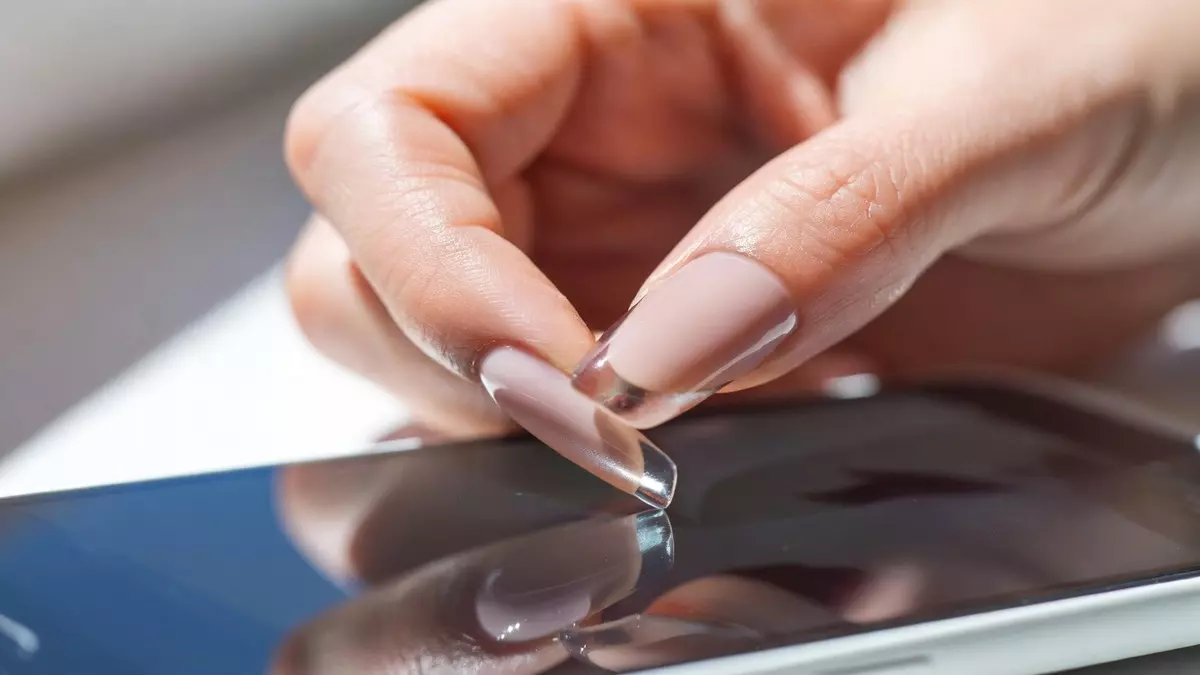
Long, beautiful nails are a timeless fashion statement, but they often create a frustrating daily struggle with modern touchscreens. Tapping, swiping, or typing becomes awkward as the nail hovers uselessly while the fingertip pad tries to make contact. Now, a chemistry student has developed a promising clear nail polish prototype that could solve this common problem by turning the nail itself into a functional stylus.
This innovative formula allows people with long manicures, dry skin, or calloused fingertips to use their phones and tablets more naturally and efficiently. Presented at the American Chemical Society’s Spring 2026 meeting in Atlanta, the research represents an exciting intersection of beauty and technology that could make everyday digital interactions smoother for millions.
New Clear Nail Polish Turns Long Nails Into Phone Stylus

### The Everyday Frustration of Long Nails and Touchscreens
Capacitive touchscreens, the technology used in nearly all smartphones and tablets today, work by detecting changes in an electric field caused by conductive materials like human skin. A fingernail, made primarily of keratin, lacks sufficient conductivity, so the screen often ignores it or requires awkward finger positioning.
For people who love long nails—whether gel, acrylic, or natural—the result is constant compromise. They angle their fingers sideways, use knuckles, or remove polish for better functionality. This issue extends beyond aesthetics to accessibility. Musicians, mechanics, carpenters, healthcare workers, and anyone with calloused or gloved hands face similar touchscreen challenges.

The new prototype polish aims to bridge this gap without sacrificing the look or feel of a beautiful manicure.
### How the Student Created This Touch-Enabled Nail Polish
Manasi Desai, an undergraduate chemistry student at Centenary College of Louisiana, developed the formula under the supervision of Joshua Lawrence. Their work began with a practical observation: many people struggle with touchscreen interaction due to nail length or fingertip conditions.

Desai tested 13 commercial clear-coat polishes and over 50 different additives. Most earlier attempts at conductive nail polishes relied on carbon nanotubes or metallic particles. These additives often raised safety concerns during manufacturing and limited color options due to their dark or metallic appearance.
Instead, Desai focused on creating a truly clear topcoat that could be applied over any existing manicure or bare nails. The most successful formulations incorporated taurine and ethanolamine—two organic molecules that enable the coating to register as a conductive touch on capacitive screens.
The mechanism appears to involve acid-base chemistry rather than traditional metal-based conductivity. Protons moving between molecules in the polish create just enough electrical change for the screen to detect the nail as a valid input.
### Key Benefits for Beauty Lovers and Everyday Users
The primary audience is anyone who wears long nails and wants seamless phone use. Instead of pressing the fingertip pad awkwardly against the screen, users could tap and swipe naturally with the nail tip. This preserves elaborate manicures while improving functionality for texting, scrolling social media, online shopping, or using navigation apps.
Beyond cosmetics, the polish offers broader lifestyle and accessibility advantages:
– People with thick calluses from manual labor or sports
– Those who wear gloves frequently for work or cold weather
– Individuals with dry or cracked fingertips
– Anyone seeking a more precise “stylus-like” experience without carrying extra accessories
The clear formula ensures it won’t alter the appearance of colored polish underneath, making it practical for daily wear. This combination of beauty preservation and technological utility makes the innovation particularly appealing in today’s nail-care market.
### Current Limitations of the Prototype Polish
While promising, the formula is still in the early prototype stage and faces several challenges before it could reach consumers:
– **Consistency issues**: The current version does not always work reliably once applied to actual nails.
– **Durability**: The touchscreen effect may fade after a few hours because ethanolamine evaporates relatively quickly.
– **Safety refinement**: Researchers are still working toward a truly nontoxic version suitable for widespread cosmetic use.
– **Appearance**: Some safer formulations are not yet as crystal-clear or smooth as commercial nail products need to be.
These hurdles are common in beauty chemistry development. Products like sunscreens, hair dyes, and advanced skincare ingredients often go through multiple iterations before becoming stable, safe, and user-friendly enough for the market.
### The Science and Innovation Behind Beauty-Tech Products
This project highlights the growing field of beauty technology, where chemistry meets consumer needs in creative ways. Touchscreen-compatible cosmetics join other innovations like UV-curing gels, color-changing polishes, and smart skincare that responds to skin conditions.
The use of taurine and ethanolamine demonstrates how researchers can find effective solutions using simpler, potentially safer organic compounds instead of metallic nanoparticles. This approach could influence future developments in wearable technology and conductive personal care products.
### What Comes Next for This Nail Polish Invention
Desai and Lawrence have submitted a provisional patent and continue refining the formula. They aim to improve longevity, consistency, and safety while maintaining the clear finish that makes the product viable for real-world use.
Future steps likely include:
– Extensive safety testing and toxicity studies
– Optimization for longer wear time and better adhesion
– User trials with diverse nail types and skin conditions
– Exploration of different application methods and finishes
If successful, this could become a mainstream beauty product available at salons and retail stores, potentially expanding into other personal care categories.
### Broader Impact on Daily Life and Accessibility
Beyond convenience for long-nail enthusiasts, this technology could improve digital accessibility for various groups. Seniors with reduced dexterity, people with certain disabilities, or workers in professions requiring protective gear might benefit from enhanced touchscreen interaction.
In an increasingly digital world where phones serve as everything from wallets to navigation devices, small improvements in usability matter. A simple swipe of polish could reduce frustration and make technology feel more inclusive.
### How This Fits Into Modern Nail Care Routines
Nail care has evolved from basic polish to a sophisticated self-care category. Products now focus on strength, hydration, and functionality alongside color and shine. A touchscreen-enabled topcoat would fit naturally into this landscape, offering both aesthetic and practical value.
Users could apply it as a final clear coat over their favorite colors or use it on natural nails for subtle enhancement. Regular maintenance would follow standard manicure practices, with reapplication as needed for optimal performance.
### Conclusion: A Promising Step Toward Smarter Beauty Products
This student-developed clear nail polish prototype represents an elegant solution to a common modern problem. By enabling long nails to function like styluses on capacitive touchscreens, it could eliminate daily frustrations while preserving the joy of beautiful manicures.
Though still in development, the research opens exciting possibilities at the intersection of chemistry, beauty, and technology. For anyone who has ever struggled to text, scroll, or tap with long nails, this innovation offers hope for a more seamless digital experience.
As the formula advances through testing and refinement, it may soon become part of everyday beauty routines. In the meantime, it serves as a reminder that creative scientific thinking can solve everyday inconveniences in unexpected and elegant ways. The future of nail care may be clearer—and more functional—than ever before.
### FAQ: Touchscreen Nail Polish and Long Nails
**1. How does the new nail polish make long nails work on touchscreens?**
It creates a thin conductive layer using organic molecules like taurine and ethanolamine, allowing the nail to register as a touch on capacitive screens without changing appearance.
**2. Will this polish work with gel or acrylic manicures?**
Yes. The prototype is designed as a clear topcoat that can be applied over existing polish or bare nails.
**3. Is the touchscreen nail polish safe for regular use?**
The current version is still being refined for optimal safety. Researchers are working on nontoxic formulations suitable for cosmetic standards.
**4. How long does the touchscreen effect last on the nails?**
In early tests, the effect can fade after a few hours due to evaporation. Future versions aim for much longer durability.
**5. Who else besides people with long nails could benefit?**
Individuals with calloused fingertips, dry skin, or jobs requiring gloves could use it for better touchscreen interaction and accessibility.
**6. When will this nail polish be available to buy?**
It is currently a prototype. The team has filed a provisional patent and continues development, but no commercial release date has been announced.
**7. Can I make my own version of this polish at home?**
No. The formula requires specific chemical expertise and safety testing. Using untested additives could damage nails or cause skin irritation. Wait for professionally developed products.