
Table of Contents
**Tour de France Sleep: How Elite Cyclists Recover During the World’s Toughest Race**
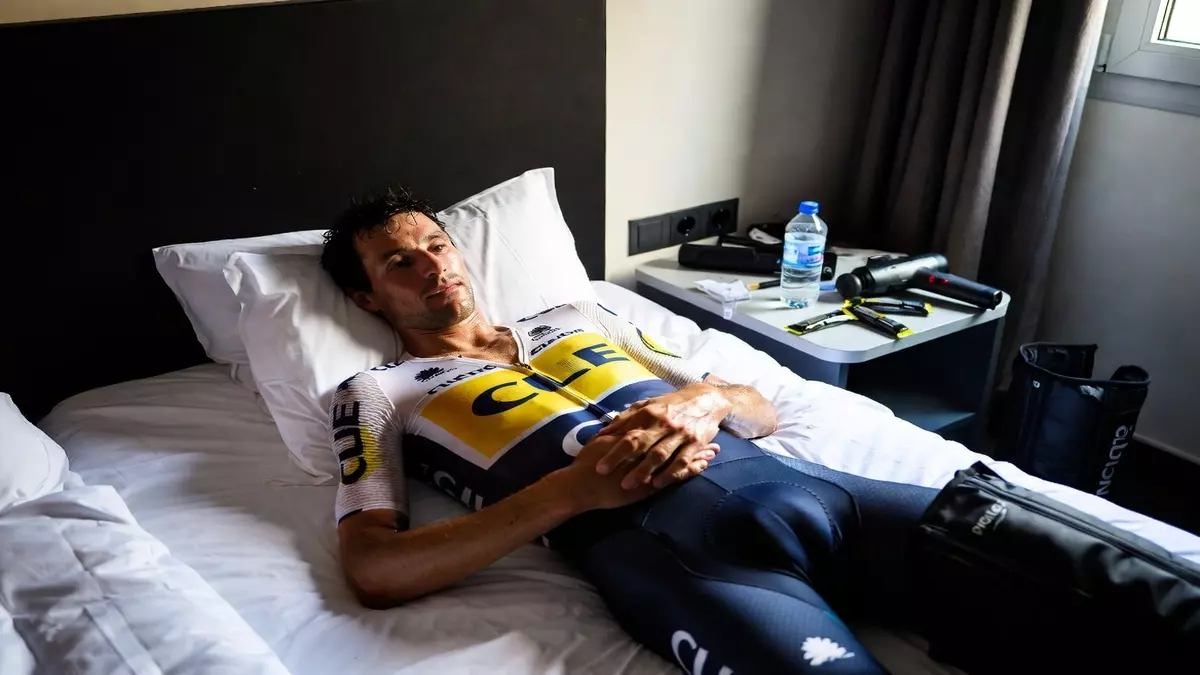
The Tour de France is famous for its brutal climbs, high-speed crashes, and superhuman endurance. But one of the greatest challenges happens off the bike — in hotel rooms after each stage, when riders fight to recover enough to do it all again the next day.
A new study tracking elite cyclists during the 2020 Tour de France reveals that while riders often get enough hours of sleep, the quality and timing of that sleep take a hit during the race. The findings offer valuable lessons not just for professional cycling but for anyone serious about endurance performance and recovery.
Tour de France Sleep How Elite Cyclists Recover During the World’s Toughest Race

### What the Latest Research on Tour de France Sleep Found
Researchers from Flinders Health and Medical Research Institute, led by Josh Fitton, studied eight elite male cyclists from a UCI WorldTour team. They monitored the riders for nearly six weeks — before, during, and after the Tour — using Garmin watches, daily self-reports, and on-bike power meters.
Key results:
– Riders averaged **8 hours and 11 minutes** of sleep across the monitoring period.
– They achieved the recommended 7–9 hours on 77% of all nights and 83% of race nights.
– However, **sleep quality dropped significantly** during the race — by about 8 points on a 100-point self-reported scale.
– Sleep timing shifted later: riders went to bed about 31 minutes later and woke up 47 minutes later compared to pre-race periods.
– Harder riding days (measured by a Performance Index) were linked to shorter and lower-quality sleep.
– Stress levels rose in the 11 days before the race started, and fatigue and muscle soreness increased as the Tour progressed.

These findings were published in *Physiological Reports*.
### Why Sleep Quality Matters More Than Quantity in Grand Tours
Getting enough hours in bed is important, but quality determines how well the body actually recovers. During a Grand Tour like the Tour de France, riders face daily demands of 100+ mile stages, extreme physical stress, and mental pressure. Poor sleep quality can slow muscle repair, increase inflammation, weaken immune function, and reduce motivation.

The study showed that even when riders logged solid sleep duration, the race environment — late finishes, travel between hotels, team meetings, massages, and media obligations — disrupted deeper restorative sleep stages. This explains why many cyclists still feel drained despite spending enough time in bed.
### The Pre-Race Stress Effect
Interestingly, the pressure started building before the first pedal stroke. In the 11 days leading up to the Tour, self-reported stress increased daily, and sleep schedules gradually shifted later. This pre-race anxiety is common in elite sport and can make it harder to get truly restful sleep once the race begins.
Riders also reported rising fatigue and muscle soreness as the three-week event continued, with both measures improving during the post-race recovery period. This pattern highlights how cumulative stress affects sleep and recovery in multi-day endurance events.
### How This Study Compares to Previous Research
This work adds important real-world detail to earlier findings. A 2024 study in *Sports Medicine – Open* reported that male Tour de France riders averaged about 7.2 hours of sleep per night during the race, while women averaged 7.5 hours. The newer study confirms that while duration is often acceptable, quality and timing are the bigger challenges.
The use of wearable devices and daily check-ins provides more objective data than many previous studies that relied solely on self-reported sleep logs. However, researchers noted limitations: the sample was small (only eight male riders from one team), and consumer wearables can sometimes overestimate sleep duration compared to clinical testing.
### Practical Lessons for Endurance Athletes
While most of us will never ride the Tour de France, the study offers useful takeaways for anyone training for marathons, ultramarathons, triathlons, or other multi-day events:
**Protect Sleep Quality During Heavy Training Blocks**
Even if you can’t always control bedtime, you can improve sleep environment (cool, dark, quiet room) and routines (consistent wind-down time, limiting screens, and avoiding heavy meals or caffeine too late).
**Manage Pre-Event Stress**
Build in relaxation techniques, visualization, or light mobility in the days before a big event. Elevated stress before competition can disrupt sleep once the event begins.
**Prioritize Recovery Habits**
The riders’ experience shows that nutrition, massage, and active recovery matter, but they work best when paired with good sleep. Teams are now exploring better scheduling to protect rest after hard stages.
**Listen to Daily Signals**
If harder training days consistently lead to worse sleep, it may be a sign to adjust volume or intensity. Chronic poor sleep can blunt the benefits of hard training.
### What Tour de France Teams Are Learning
Modern cycling teams already invest heavily in recovery science. This type of research encourages smarter scheduling — earlier team meetings when possible, better hotel room environments, and strategic use of caffeine and light exposure to help realign body clocks during the race.
Some teams now use sleep tracking as standard practice and work with sports scientists to optimize nightly routines despite the chaos of a Grand Tour.
### The Bottom Line: Sleep Is a Performance Tool
The Tour de France isn’t won only on the road. A significant part of success happens in the quiet hours afterward, when the body repairs itself and prepares for another brutal stage.
This study reminds athletes and coaches that sleep quality deserves as much attention as training volume and nutrition. For recreational endurance enthusiasts, the message is equally relevant: pushing hard without prioritizing recovery can limit progress and increase burnout risk.
Whether you’re chasing a podium in a local gran fondo or simply trying to stay strong through a busy training block, protecting sleep may be one of the highest-return investments you can make.
The study was published in *Physiological Reports*.
### FAQ: Sleep and Recovery in the Tour de France
**How much sleep do Tour de France riders actually get?**
They average around 8 hours and 11 minutes across the event, hitting the recommended 7–9 hours on most nights. However, sleep quality often declines during the race.
**Why does sleep quality drop during Grand Tours?**
Late stage finishes, travel, team obligations, physical soreness, and mental stress all interfere with deep, restorative sleep even when total hours look good.
**Does harder riding directly cause worse sleep?**
The study found a strong association: higher performance days correlated with shorter and lower-quality sleep, though it cannot prove exact cause and effect.
**What can amateur endurance athletes learn from this?**
Prioritize sleep quality during heavy training periods. Focus on consistent bedtimes, a cool dark sleeping environment, and stress management to support better recovery.
**How important is sleep compared to nutrition and training?**
All three are essential. Poor sleep can reduce the benefits of good training and nutrition by impairing recovery, increasing inflammation, and lowering motivation.
**Can better sleep routines improve endurance performance?**
Yes. Quality sleep supports muscle repair, hormone balance, immune function, and mental resilience — all critical factors in long-distance events.
**What should cyclists do to improve sleep during multi-day events?**
Maintain consistent wind-down routines, limit evening caffeine, create a dark sleeping space, and schedule recovery activities earlier when possible.
Sleep might be the most underrated performance tool in endurance sports. For Tour de France riders — and everyday athletes — protecting rest could be the key to staying strong when the miles add up and the body is pushed to its limits.