
Table of Contents
**Barefoot Running: Does It Actually Strengthen Your Legs?**
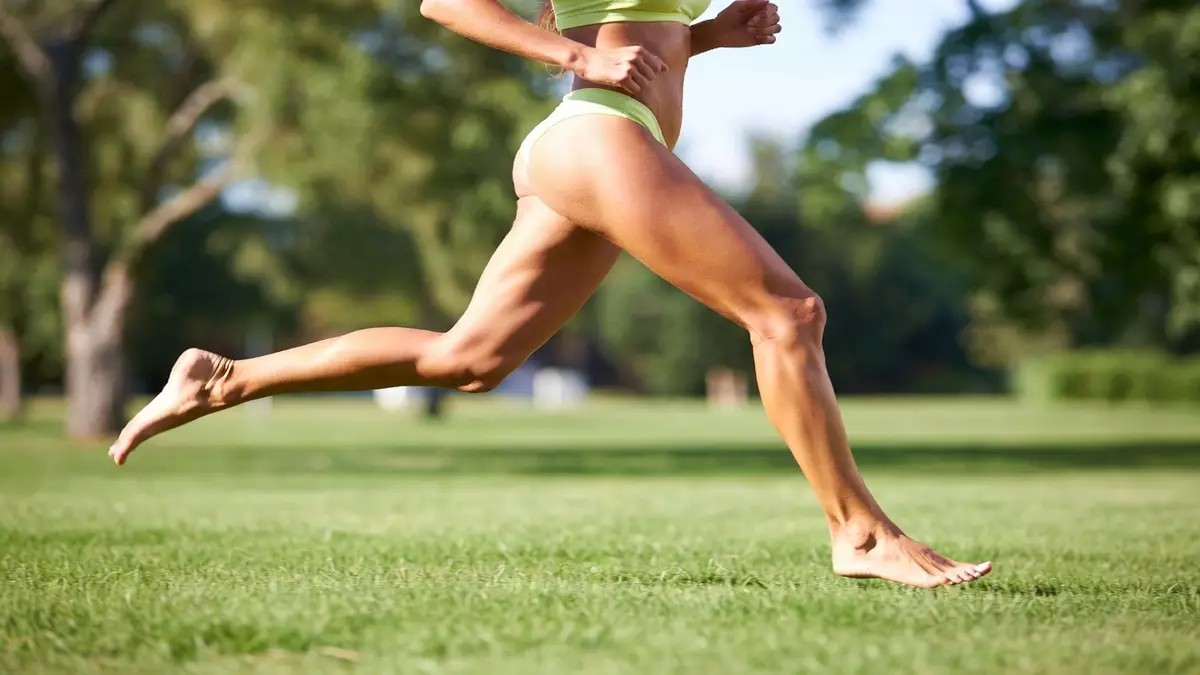
Barefoot running has surged in popularity as athletes seek more natural ways to train. Runners are ditching heavily cushioned shoes for minimalist footwear or going completely barefoot, hoping to build stronger feet, improve form, and reduce injuries. But does this trend truly deliver stronger legs, or does it risk more harm than good?
The answer is nuanced. Running without shoes forces your feet and lower legs to work harder, activating muscles that often stay dormant in traditional sneakers. Research supports modest gains in foot strength, balance, and proprioception when done correctly. However, the transition demands patience and smart progression to avoid common pitfalls. This guide explores the science, real benefits, potential risks, and practical steps for safely incorporating barefoot running into your routine.
Barefoot Running Does It Actually Strengthen Your Legs

### The Science Behind Barefoot Running
Humans ran barefoot for thousands of years before modern footwear existed. Our bodies evolved to handle varied terrain through natural foot mechanics. Today’s running shoes provide cushioning, arch support, and heel elevation, which protect against impact but can weaken intrinsic foot muscles over time.
When you run barefoot or in minimalist shoes, your foot strikes differently — typically landing on the midfoot or forefoot instead of the heel. This shift increases demand on the arches, ankles, calves, and smaller stabilizing muscles. Studies show this can enhance muscle activation and improve overall lower-body resilience.

A 2023 review highlighted greater loading on the foot and lower leg during barefoot running, which stimulates adaptation but also raises injury potential if volume increases too rapidly. The key mechanism is progressive overload: your body strengthens tissues in response to the new stresses, leading to better endurance, coordination, and shock absorption.
### Barefoot Running vs Traditional Shod Running
Traditional running shoes excel at shock absorption and stability, making them ideal for high-mileage training, uneven surfaces, or runners with specific biomechanical issues. They reduce immediate impact forces but may contribute to weaker foot muscles and altered gait patterns over years of use.

Barefoot running promotes a more natural stride with shorter steps, higher cadence, and less heel striking. This can decrease braking forces on joints and encourage better posture. Runners often report improved proprioception — the body’s awareness of position and movement — which translates to better balance and agility.
However, the trade-off is clear: less external protection means tissues must handle forces internally. This builds strength but requires time for tendons, ligaments, and bones to adapt. Many experts recommend a hybrid approach — using supportive shoes for longer or faster runs while incorporating barefoot sessions for strength and technique work.
### Key Benefits: Can Barefoot Running Make Your Legs Stronger?
Yes, barefoot running can meaningfully strengthen your legs and feet when introduced gradually. Here’s how:
– **Stronger Foot Muscles and Arches**: Without support, intrinsic muscles in the feet work harder to maintain stability. Over months, this can lead to higher arches, better shock absorption, and reduced risk of conditions like plantar fasciitis in some runners.
– **Improved Calf and Ankle Strength**: Forefoot landing heavily engages the calves, Achilles tendon, and ankle stabilizers. This builds endurance and resilience against common running injuries.
– **Better Balance and Coordination**: Enhanced sensory feedback from the ground improves neuromuscular control, which benefits overall athletic performance and fall prevention.
– **Potential Injury Resistance**: Stronger feet and lower legs may better absorb repetitive stress, though results vary by individual. Some studies link minimalist running to reduced knee loading.
– **Enhanced Running Economy**: A natural gait can improve efficiency, allowing runners to maintain pace with less energy expenditure once adapted.
Additional perks include greater ground feel, which encourages mindful running, and potential relief from chronic issues caused by overly supportive shoes. Many runners experience stronger, more responsive legs after consistent practice.
### Important Risks and Limitations
Barefoot running isn’t risk-free. The increased load on bones and soft tissues can lead to problems if you progress too aggressively:
– Stress fractures in the feet or lower legs
– Achilles tendonitis or calf strains
– Plantar fascia irritation during early adaptation
– Blisters or cuts on rough surfaces
Beginners and those with existing foot problems, high body weight, or poor biomechanics face higher risks. The 2023 review in *Nature* emphasized that improper transition is a leading cause of overuse injuries. Urban runners on concrete or asphalt may find barefoot running particularly challenging compared to soft grass or tracks.
Not everyone benefits equally. Runners with certain foot shapes, previous injuries, or those training for marathons may still need traditional shoes for optimal performance and protection.
### How to Safely Transition to Barefoot Running
Success depends on patience and preparation. Follow these evidence-based steps:
**1. Build a Foundation First**
Spend 4–6 weeks strengthening your feet before adding running volume. Incorporate daily exercises:
– Toe curls and spreads
– Short-foot doming (activating arches)
– Calf raises (single-leg variations)
– Balance drills on unstable surfaces
– Ankle circles and mobility work
**2. Start Extremely Slow**
Begin with 5–10 minutes of walking or easy jogging on soft surfaces like grass, sand, or a track. Increase time by no more than 10% per week. Avoid hard surfaces initially.
**3. Focus on Proper Form**
– Land lightly on your midfoot or forefoot
– Keep steps short and quick (aim for higher cadence)
– Maintain upright posture with slight forward lean
– Stay relaxed through the shoulders and arms
**4. Use Minimalist Shoes as a Bridge**
Zero-drop shoes with wide toe boxes and minimal cushioning help ease the transition while offering some protection. Brands with thin, flexible soles allow natural movement without full barefoot exposure.
**5. Alternate and Recover**
Mix barefoot/minimalist sessions with traditional runs. Include rest days, foam rolling, and mobility work. Ice sore areas and monitor for sharp pain versus normal adaptation soreness.
**6. Listen to Your Body and Get Professional Guidance**
Consider working with a running coach or physical therapist familiar with barefoot techniques. Gait analysis can identify issues before they become injuries. Stop immediately if you experience persistent pain.
### Integrating Barefoot Running Into Your Training Plan
For most runners, barefoot sessions work best as supplemental training rather than the primary method. Use them 1–2 times per week for technique drills, short easy runs, or strength-focused workouts. Reserve longer efforts and races for supportive shoes.
Track progress by noting how your feet feel, improvements in balance, and overall running comfort. Many experienced barefoot runners eventually handle significant mileage with fewer injuries once fully adapted — sometimes taking 6–12 months.
### Who Should Avoid or Approach Barefoot Running Cautiously?
– Beginners with no running base
– People with diabetes, neuropathy, or poor circulation
– Those recovering from lower-leg injuries
– Runners with significant overpronation or structural issues (consult a specialist)
– Anyone on hard surfaces without gradual adaptation
Pregnant runners or older adults should seek medical clearance and prioritize caution.
### Complementary Strategies for Stronger Legs
Barefoot running works best alongside other practices:
– Regular strength training for the entire lower body
– Proper nutrition to support tissue repair (adequate protein, collagen, vitamin D, and calcium)
– Quality footwear rotation
– Mobility and flexibility routines
– Adequate sleep and stress management
Cross-training with activities like yoga, swimming, or cycling helps build well-rounded resilience.
### The Bottom Line on This Running Trend
Barefoot running can indeed make your legs stronger by activating underused muscles and promoting natural mechanics. It fosters better foot strength, balance, and body awareness that traditional shoes often mask. However, it’s not a magic solution or suitable for everyone. The gains come from consistent, patient practice rather than an all-or-nothing switch.
Many runners achieve the best results by blending both worlds — using barefoot sessions for conditioning and supportive shoes for performance and protection. With smart progression, this approach can lead to more resilient legs, improved running form, and greater enjoyment of the sport.
**Conclusion**
Barefoot running represents a return to our natural movement roots and offers legitimate benefits for foot and leg strength when approached thoughtfully. While it won’t transform your running overnight, gradual integration can enhance muscle control, balance, and durability. Always prioritize safety, listen to your body, and consider professional advice tailored to your needs.
Whether you fully embrace barefoot running or simply add occasional minimalist sessions, the goal remains the same: building a stronger, more capable body that supports your running goals for years to come. Start small, stay consistent, and enjoy the process of reconnecting with how your body was designed to move.
### FAQ: Barefoot Running and Leg Strength
**1. Does barefoot running really make your legs stronger?**
Yes, it strengthens smaller foot muscles, calves, ankles, and stabilizers through increased demand. Results depend on gradual adaptation and proper form.
**2. Is barefoot running better than running in shoes?**
It depends on the individual and context. Barefoot promotes natural strength and form, while shoes offer protection for higher volumes. A hybrid approach often works best.
**3. How long does it take to adapt to barefoot running?**
Most people need 3–6 months of careful progression, with full adaptation potentially taking up to a year. Start with walking and short sessions only.
**4. What are the biggest risks of barefoot running?**
Overuse injuries like stress fractures, Achilles strain, and plantar pain are most common, especially with rapid increases in distance or intensity on hard surfaces.
**5. Can beginners try barefoot running?**
Beginners should focus on building a base in supportive shoes first and strengthen feet before attempting barefoot sessions. Consult a professional if unsure.
**6. Are minimalist shoes a good alternative to going fully barefoot?**
Yes. They provide minimal cushioning and protection while encouraging natural foot function, making them an excellent transition tool.
**7. Who should avoid barefoot running?**
Runners with certain medical conditions, poor foot mechanics, or those unable to progress slowly should stick with traditional shoes or seek expert guidance. Always check with a doctor first.