
Table of Contents
**12-Year Study Reveals Exercise Boosts Longevity for Seniors Over 70**
Staying physically active becomes increasingly vital as we age, especially after 70. A major long-term investigation shows that regular movement can significantly reduce mortality risk for older adults, even for those who begin exercising later in life. This research offers encouraging news for seniors seeking to maintain independence, vitality, and quality of life well into their later years.
Funded by the National Institutes of Health (NIH), the study followed more than 250,000 adults for 12 years. It provides robust evidence that meeting basic activity guidelines delivers meaningful protection against premature death. The findings highlight which types of exercise offer the strongest benefits and provide practical guidance for safe, sustainable routines.
12-Year Study Reveals Exercise Boosts Longevity for Seniors Over 70
### Key Findings from the Landmark NIH Study on Exercise and Longevity
Researchers examined data from a large national survey that tracked participants whose average age reached 70 by the study’s conclusion. They evaluated seven popular recreational activities: walking, running, swimming, cycling, racquet sports, golf, and other aerobic exercises. The results were striking.
Older adults who achieved the recommended 150 minutes of moderate-intensity physical activity per week experienced a 13% lower risk of death compared to those who remained inactive. Every form of exercise studied contributed to better outcomes, demonstrating that almost any consistent movement helps.
 Reversing the Routine: Why National Geographic Highlights Backward Walking for Senior Stability
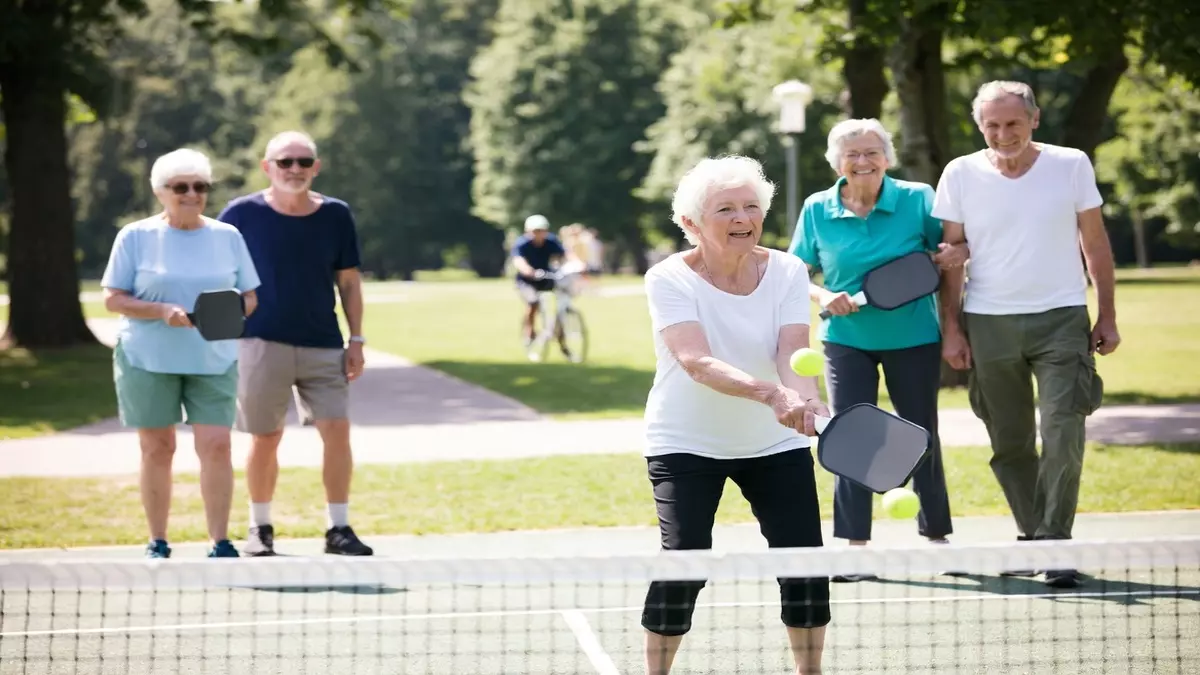
Racquet sports such as tennis and pickleball delivered the most impressive reductions in mortality risk. These activities combine cardiovascular conditioning, quick reflexes, balance, and social interaction. Running and jogging also ranked among the top performers, likely due to their ability to build both endurance and lower-body strength while improving coordination.
Even gentler options proved highly beneficial. Walking, swimming, cycling, and golf all correlated with longer lifespans. The study reinforces that it’s never too late to start. Many participants who became active in their 70s still gained substantial health advantages.
Dr. Eleanor Watts, the NIH researcher who led the study, stressed the importance of enjoyment and consistency over perfection. “The most important thing an inactive older adult can do to improve their health is find an activity that they enjoy and can stick with,” she explained. Sustainable habits matter more than intensity for long-term success.
### Why Exercise Matters So Much for Adults Over 70
Aging naturally brings changes in muscle mass, bone density, balance, and cardiovascular function. Regular physical activity helps counteract these shifts. It supports heart health, maintains cognitive function, improves mood, and preserves mobility — all factors that contribute to living longer and better.
The 12-year follow-up period provided strong evidence that these benefits accumulate over time. Consistent exercisers showed reduced risks not only for overall mortality but also for common age-related conditions. Movement enhances circulation, strengthens bones and muscles, and helps regulate blood sugar and inflammation.
Social aspects of group activities like pickleball or walking clubs add another layer of protection. Strong social connections are linked to better mental health and longevity, making these pursuits especially valuable for seniors who may face isolation.
### Best Exercises for Seniors Over 70: What the Research Shows
**Racquet Sports Lead the Way**
Tennis, pickleball, and similar activities topped the list. They offer full-body workouts that improve agility, hand-eye coordination, and reaction time while being adaptable for different fitness levels. Many communities now offer senior-friendly leagues with modified rules or shorter courts.
**Running and Brisk Walking**
While running may seem daunting, many seniors maintain jogging routines safely with proper form and gradual progression. For others, brisk walking provides similar cardiovascular benefits with lower joint impact. Both activities are accessible and require minimal equipment.
**Swimming and Water-Based Exercise**
These low-impact options are ideal for those with arthritis or joint concerns. Water buoyancy reduces stress on the body while providing resistance for strength building. Swimming also supports flexibility and breathing capacity.
**Cycling and Golf**
Stationary or outdoor cycling builds leg strength and cardiovascular endurance. Golf combines walking with social engagement and light resistance from swinging. Both activities allow seniors to enjoy the outdoors while staying active.
**Strength Training and Balance Work**
Though not the primary focus of the study, experts recommend incorporating light resistance exercises and balance training. These complement aerobic activities by preserving muscle mass and preventing falls — a leading cause of injury in older adults.
### Safe Exercise Guidelines for Seniors Starting or Continuing a Routine
Safety should always come first when increasing activity levels after 70. Here’s how to build a sustainable program:
**Consult Healthcare Providers**
Before beginning any new regimen, discuss your medical history, current medications, and potential limitations with your doctor. They can offer personalized recommendations and screenings if needed.
**Start Gradually and Progress Slowly**
Begin with short sessions of 10–15 minutes of light activity, such as gentle walking or chair-based exercises. Increase duration and intensity over weeks and months rather than days. This approach minimizes injury risk while building confidence.
**Incorporate Variety for Balanced Fitness**
Combine aerobic activities with strength training (using body weight, resistance bands, or light weights) and flexibility work. Include balance exercises like tai chi or yoga, which have proven effective at reducing fall risk.
**Prioritize Recovery and Listening to Your Body**
Pay attention to signals like persistent pain, dizziness, or unusual fatigue. Rest days are essential for recovery. Proper warm-ups, cool-downs, and hydration support safe participation.
**Make It Social and Enjoyable**
Join senior fitness classes, walking groups, or community centers. Exercising with others boosts motivation and accountability. Many find that fun, social activities become natural habits rather than chores.
**Adapt Activities to Your Needs**
Modify movements as necessary. Chair yoga, water aerobics, or seated strength exercises provide excellent options for those with mobility challenges. The goal is consistent movement tailored to your abilities.
### Additional Lifestyle Factors That Enhance Exercise Benefits
Physical activity works best alongside other healthy habits. A nutrient-rich diet emphasizing protein, fruits, vegetables, and healthy fats supports muscle maintenance and energy levels. Quality sleep helps with recovery and hormone balance. Managing stress through mindfulness or social connections further amplifies the longevity effects of exercise.
Staying hydrated, avoiding smoking, and limiting alcohol also contribute to better outcomes. Small daily movements — taking stairs, gardening, or playing with grandchildren — add up and complement structured exercise.
### Overcoming Common Barriers for Seniors Over 70
Many older adults hesitate due to fear of injury, lack of time, or feeling it’s “too late.” This study directly counters that mindset by showing benefits even for late starters. Weather, transportation, or cost can also pose challenges, but indoor options, online classes, and free community programs help overcome these hurdles.
Setting realistic, specific goals — such as walking 20 minutes three times weekly — leads to better adherence than vague intentions. Tracking progress through simple journals rather than complex apps can provide motivation without overwhelm.
### The Broader Impact on Healthy Aging
This NIH-backed research adds to a growing body of evidence supporting active lifestyles for older populations. As life expectancy increases, the focus shifts toward not just living longer but maintaining function and independence. Regular exercise helps achieve that goal by supporting physical, mental, and emotional well-being.
Healthcare systems also benefit when seniors stay active, potentially reducing hospitalizations and long-term care needs. Community programs that promote senior fitness represent smart investments in public health.
**Conclusion**
The 12-year NIH study delivers a powerful message: movement matters profoundly for adults over 70. Meeting modest activity guidelines through enjoyable exercises like racquet sports, walking, swimming, or cycling can meaningfully extend life and improve its quality. Dr. Eleanor Watts’ advice remains timeless — choose activities you love and commit to them consistently.
Whether you’re already active or just getting started, it’s never too late to experience the rewards of regular physical activity. By prioritizing safety, variety, and enjoyment, seniors can embrace stronger, healthier, and more vibrant years ahead. Small steps today compound into significant longevity benefits tomorrow. Consult your healthcare provider and take that first step toward a more active future — your body and mind will thank you for it.
### FAQ: Exercise, Longevity, and Seniors Over 70
**1. How much exercise do seniors over 70 need for longevity benefits?**
The study showed that 150 minutes of moderate activity per week provides a 13% lower mortality risk. Even smaller amounts offer advantages, and consistency matters more than intensity.
**2. What is the best exercise for people over 70?**
Racquet sports like pickleball and tennis showed the strongest association with reduced death risk, but walking, swimming, and cycling also deliver excellent results. Choose activities you enjoy.
**3. Is it safe to start exercising at age 70 or older?**
Yes. The research found benefits for those who begin later in life. Always get medical clearance first and progress gradually to minimize risks.
**4. Can light activities like walking or gardening count toward exercise goals?**
Absolutely. Everyday movements add up and contribute to better health outcomes. The study supports any sustainable recreational activity.
**5. How can seniors reduce fall risk while exercising?**
Incorporate balance training such as tai chi or yoga. Strength exercises for legs and core also help. Start slowly and consider supervised classes.
**6. Does strength training benefit seniors as much as aerobic exercise?**
Yes. Combining both types supports muscle mass, bone density, metabolism, and independence. Light resistance work complements cardio activities.
**7. What should I do if I have health conditions like arthritis or heart issues?**
Work with your doctor to develop a tailored plan. Low-impact options like swimming or chair exercises often work well while accommodating specific limitations.