
Table of Contents
**This Fruit Hydrates Nearly as Well as Water**
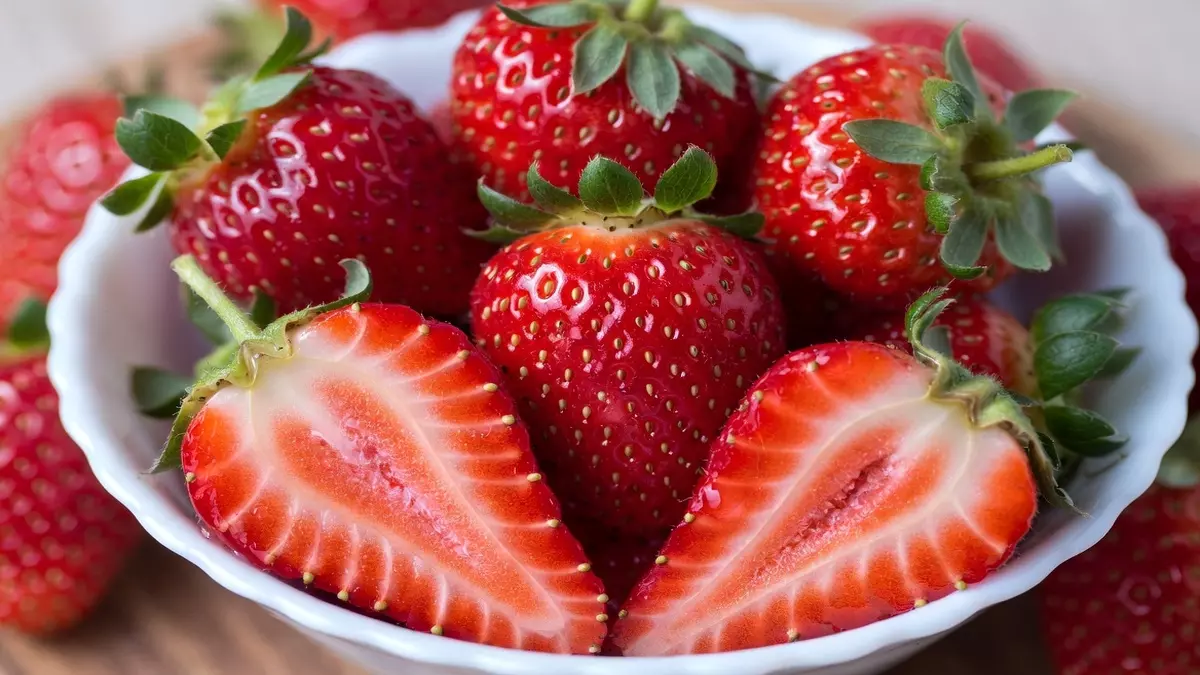
Most people reach for a glass of water when they think about staying hydrated, but nature offers delicious alternatives that can be just as effective. Strawberries, a familiar favorite in American kitchens, deliver impressive hydration while packing a powerful nutritional punch that plain water simply can’t match. With roughly 91-92% water content, these juicy berries help replenish fluids, supply essential electrolytes, and provide vitamins, antioxidants, and fiber in one convenient package.
In a world full of sports drinks and fancy infused waters, strawberries stand out as an underrated, whole-food solution for better hydration. Whether you’re battling summer heat, recovering from a workout, or simply trying to boost your daily fluid intake, adding more strawberries to your routine is a smart, tasty move. Let’s dive into why these bright red gems deserve a starring role in your hydration strategy.
This Fruit Hydrates Nearly as Well as Water

### The Science of Hydration: Why Food Matters More Than You Think
Hydration isn’t just about drinking liquids. Foods with high water content contribute significantly to your overall fluid balance — often making up 20% or more of daily water intake in diets rich in fruits and vegetables. Strawberries excel here because their water is delivered alongside natural electrolytes, sugars, and fiber that help your body absorb and retain fluids more effectively than water alone.
This slow-release hydration can feel more satisfying and sustaining, especially during hot weather or physical activity. Unlike chugging plain water, which may pass through quickly, the natural compounds in strawberries support better fluid retention and steady energy levels.

### Strawberries’ Impressive Nutritional Profile
One cup of fresh strawberries (about 8 medium berries) contains only around 48-50 calories but delivers remarkable benefits:
– **Vitamin C**: Over 100% of your daily needs in many servings — more than an orange. This powerful antioxidant supports immune function, collagen production for healthy skin, and iron absorption.
– **Fiber**: About 3 grams per cup, promoting digestive health and helping regulate blood sugar.
– **Antioxidants**: Anthocyanins, flavonoids, and ellagic acid combat oxidative stress and inflammation. Regular consumption may support heart health, brain function, and reduced risk of chronic conditions.
– **Other nutrients**: Folate, manganese, potassium, and small amounts of magnesium — all of which play roles in fluid balance, energy metabolism, and muscle function.

The low glycemic index of strawberries makes them gentle on blood sugar, providing steady energy without crashes. This combination of high water, low calories, and nutrient density makes them ideal for weight management, skin health, and overall wellness.
### How Strawberries Compare to Other Top Hydrating Fruits
Strawberries rank among the best hydrating foods, but they’re part of a broader group of water-rich produce:
– **Cucumbers (96% water)**: Crisp and refreshing, excellent in salads or infused water.
– **Watermelon (91-92% water)**: Another summer star loaded with citrulline for blood flow support.
– **Tomatoes (94% water)**: Versatile in sauces, salads, and snacks with added lycopene benefits.
– **Grapefruit (90-91% water)**: Tangy and vitamin C-rich, but check for medication interactions.
– **Peaches (88-89% water)**: Sweet and juicy with potassium for electrolyte balance.
– **Pineapple (86-87% water)**: Contains enzymes that aid digestion alongside hydration.
– **Raspberries (87% water)**: Fiber-packed and antioxidant-rich for gut support.
Incorporating a variety of these fruits ensures broad nutrient coverage while keeping hydration enjoyable and sustainable.
### Practical Tips for Boosting Hydration with Strawberries
Making strawberries a daily habit is easier than you might think. Here are proven strategies:
**Start Your Day Strong**
Add sliced strawberries to oatmeal, yogurt parfaits, or overnight oats. The natural sweetness reduces the need for added sugars while boosting morning hydration.
**Midday Snacks and Smoothies**
Blend frozen strawberries into smoothies with spinach, banana, and Greek yogurt for a nutrient-dense, hydrating lunch replacement. Or simply snack on a bowl of fresh berries — one cup provides meaningful fluid plus fiber to keep you full.
**Infused Waters and Mocktails**
Muddle strawberries in a pitcher of water with mint, lemon, or cucumber for flavored hydration that encourages more drinking throughout the day. This works especially well for kids and those who find plain water boring.
**Post-Workout Recovery**
Pair strawberries with a protein source like cottage cheese or a handful of nuts. The combination replenishes fluids, electrolytes, and supports muscle recovery.
**Meal Integration**
Toss strawberries into salads with leafy greens, feta, and balsamic vinaigrette. Use them as a topping for grilled chicken or fish to add natural sweetness and moisture.
**Seasonal Storage Tips**
Buy in bulk during peak season and freeze extras. Frozen strawberries retain most nutrients and work perfectly in smoothies or as a cool treat on hot days.
Aim for 1-2 cups daily to meaningfully contribute to hydration goals, especially when combined with adequate plain water intake.
### Creative Recipes to Maximize Strawberry Hydration Benefits
**Strawberry Cucumber Hydration Water**
Slice 1 cup strawberries and half a cucumber. Add to 2 liters of water with fresh mint. Refrigerate for 2+ hours. Refreshing and perfect for daily sipping.
**Berry Protein Smoothie**
Blend 1 cup strawberries, 1 banana, handful spinach, 1 cup almond milk, and Greek yogurt. This delivers hydration, protein, and sustained energy.
**Strawberry Chia Pudding**
Mix 2 cups strawberries (blended), 3 tbsp chia seeds, and 1 cup milk of choice. Refrigerate overnight. The chia seeds add omega-3s and extra fiber for gut health.
**Summer Strawberry Salad**
Combine fresh strawberries, mixed greens, avocado, walnuts, and grilled shrimp or chicken. Drizzle with olive oil and lemon. A hydrating, balanced meal.
These recipes keep things simple yet flavorful, making healthy hydration effortless.
### Health Benefits Beyond Basic Hydration
Research highlights strawberries’ role in reducing inflammation markers like C-reactive protein and supporting gut health through beneficial bacteria growth. Their antioxidants may help protect cardiovascular health, cognitive function, and even slow aspects of aging.
For active individuals, the potassium and natural sugars aid electrolyte balance and quick energy restoration. People managing blood sugar appreciate their low glycemic impact. Overall, strawberries support immune resilience, skin glow, and digestive regularity while contributing to daily fluid needs.
### Common Questions About Fruit-Based Hydration
Many wonder if eating hydrating fruits can replace drinking water entirely. The answer is no — whole fruits complement your water intake beautifully but shouldn’t be the sole source. Combine both for optimal results, especially in extreme heat or during intense exercise.
### Overcoming Barriers to Eating More Strawberries
Seasonality and cost can be concerns. Shop farmers’ markets or buy frozen for year-round access at lower prices. Organic options minimize pesticide exposure, but conventionally grown strawberries are still highly nutritious. Wash thoroughly before eating.
For those with allergies or sensitivities, consult a healthcare provider, though strawberries are generally well-tolerated.
### Conclusion: Make Strawberries Your New Hydration Ally
Strawberries prove that hydration can be delicious, nutritious, and fun. Their high water content, combined with vitamins, antioxidants, and fiber, makes them one of the smartest choices for supporting fluid balance and overall health. By incorporating these vibrant berries into snacks, meals, and drinks, you’ll stay refreshed while nourishing your body with every bite.
This summer and beyond, skip the boring routine and let strawberries add excitement to your hydration habits. Your body — and your taste buds — will thank you for choosing this simple, effective, and underrated fruit.
### FAQ: Strawberries and Hydration Answered
**1. How much water is actually in strawberries?**
Fresh strawberries are about 91-92% water, making them one of the most hydrating fruits available. A cup provides fluid equivalent to several ounces of water plus nutrients.
**2. Are strawberries better for hydration than drinking water?**
They complement water beautifully by offering slower absorption and added electrolytes/nutrients, but they don’t fully replace plain water. Use both together.
**3. Can frozen strawberries provide the same hydration benefits?**
Yes. Freezing preserves most water content and nutrients. Thaw slightly or use in smoothies for easy hydration boosts.
**4. How many strawberries should I eat daily for hydration?**
Aim for 1-2 cups. This supports fluid intake while delivering substantial vitamin C and antioxidants without excess calories.
**5. Do strawberries help with skin hydration?**
Absolutely. Their vitamin C supports collagen production, while internal hydration from high water content helps skin look plump and healthy.
**6. Are there any downsides to eating lots of strawberries?**
Most people tolerate them well. Those with kidney issues should monitor potassium intake, and allergies are rare but possible. Wash well due to potential pesticide residues.
**7. What’s the best way to store strawberries for maximum freshness?**
Keep unwashed in a breathable container in the fridge. Wash just before eating. For longer storage, freeze on a tray then transfer to bags.
Embrace strawberries as your go-to hydrating fruit and enjoy better energy, glowing health, and simple daily refreshment.