
Table of Contents
Sugar-Free Risks: Is Diet Soda Hurting Your Brain?
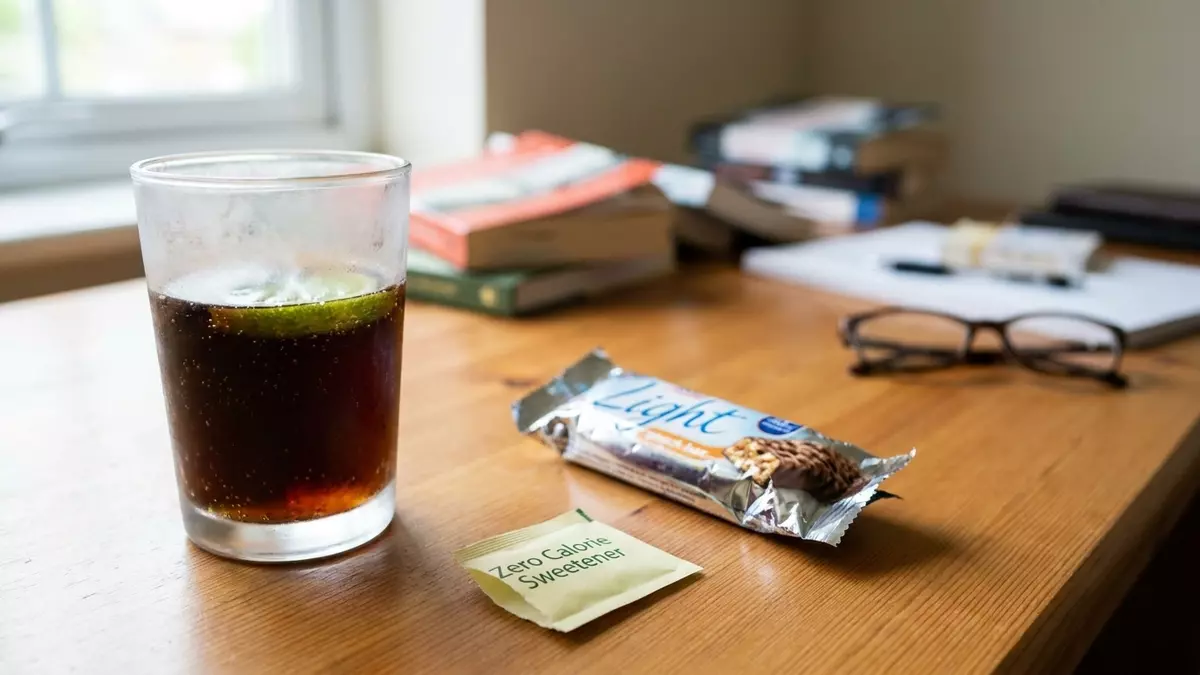
For years, millions of people have swapped sugary sodas and snacks for “zero-calorie” alternatives, believing they were making a health-conscious choice. Whether you are grabbing a diet soda at lunch, adding a packet of sweetener to your morning coffee, or choosing a “light” yogurt, these products are marketed as the smarter, safer way to satisfy a sweet tooth without the metabolic toll of sugar.
However, emerging research is challenging the assumption that these substitutes are a harmless “free pass.” A significant, long-term study published in the journal Neurology suggests that high consumption of low-calorie and no-calorie sweeteners (LNCS) may be linked to a faster decline in cognitive function over time. As we strive for longevity and mental sharpness, this data forces us to reconsider what we are really putting into our bodies.

Sugar-Free Risks Is Diet Soda Hurting Your Brain
What the Research Reveals About Cognitive Decline
The study, conducted by researchers at the University of São Paulo and supported by prominent Brazilian health and science organizations, followed 12,772 adults over an eight-year period. The goal was to track how the consumption of common artificial sweeteners—such as aspartame, saccharin, and erythritol—impacted the brain’s ability to process information, find words, and maintain memory.

The findings were striking. Participants who consumed the highest levels of artificial sweeteners exhibited a 62% faster decline in overall thinking and memory skills compared to those who avoided them. Even those in the “middle-intake” group experienced a 35% faster decline than low-intake users.
To put these figures into perspective, the researchers equated the cognitive gap between high-level users and non-users to roughly 1.6 years of accelerated brain aging. For those with moderate intake, the effect was similar to 1.3 years of extra aging.
Understanding the “Sugar-Free” Trap
Low-calorie and no-calorie sweeteners are pervasive in the modern diet, often hidden in products that carry “diet,” “light,” or “zero” labels. These ingredients provide intense sweetness without the caloric density of traditional sugar, but their ubiquity in the food supply makes them difficult to avoid.

Many of these sweeteners are staples in ultra-processed foods—items engineered with industrial additives to enhance flavor and shelf-life. You will find them in:
Beverages: Diet sodas, flavored sparkling waters, and energy drinks.
Dairy: Low-calorie yogurts and pudding cups.
Kitchen Staples: Individual packets for coffee and tea, and granulated substitutes for home baking.

The study highlighted seven specific sweeteners: aspartame, saccharin, acesulfame-K, erythritol, xylitol, sorbitol, and tagatose. With the exception of tagatose, all were associated with faster cognitive decline. Interestingly, sorbitol emerged as the most consumed sweetener among the group, suggesting that even sugar alcohols, often perceived as “natural” or healthier, may carry latent risks for brain health.
Why Midlife and Diabetes Matter
One of the most nuanced findings of the study was the varying impact across different age groups and health profiles. The correlation between heavy sweetener use and cognitive decline was most pronounced in adults under 60.
Why might midlife be the “danger zone”? Scientists speculate that subtle, degenerative changes in the brain begin years before symptoms become clinically apparent. During midlife, the brain may be more susceptible to the metabolic or neurochemical shifts triggered by these additives.
Furthermore, the association was significantly stronger in individuals with diabetes. This is particularly concerning because those living with diabetes are often advised to rely on artificial sweeteners as a primary alternative to sugar. For this demographic, these findings suggest that the solution for managing blood glucose might inadvertently place a burden on long-term cognitive health.
The Limits of Current Science
While these findings are significant, it is important to exercise nuance. This was an observational study, which means it shows a link between two factors—it does not definitively prove that sweeteners cause these brain changes.
Other variables complicate the picture:
Dietary Context: People who consume large amounts of artificial sweeteners often eat more ultra-processed foods, which are also high in sodium, unhealthy fats, and inflammatory preservatives. It is difficult to isolate the effect of the sweetener from the effect of the overall diet.
Self-Reporting: Diet information was gathered via questionnaires. While common in nutritional epidemiology, self-reporting can sometimes lack the precision of controlled clinical trials.
Missing Data: The study did not analyze every sweetener currently on the market, such as sucralose, meaning the full impact of the “zero-calorie” industry remains only partially understood.
Industry representatives have pushed back, emphasizing that safety reviews of these additives are conducted on a massive scale and that lifestyle factors must be considered. However, the researchers behind the study maintain that the “not so sweet” truth is that these ingredients may not be as benign as previously believed.
Moving Forward: Protecting Your Brain Health
If you are a heavy user of artificial sweeteners, you don’t need to panic. The study serves as a warning sign, not an immediate health crisis. However, it does provide a compelling reason to shift your dietary focus toward whole, unprocessed foods.
Here is how you can begin to prioritize brain-healthy nutrition:
Audit Your Intake: Start reading labels. You may be surprised at how many “health” products contain hidden sweeteners.
Transition Gradually: Instead of switching to diet soda, try unsweetened sparkling water with a squeeze of fresh lemon or lime.
Focus on Whole Foods: The best way to avoid the risks associated with sweeteners is to minimize reliance on ultra-processed products entirely. Replace them with whole fruits, vegetables, and complex carbohydrates.
Consult a Professional: If you have diabetes or are concerned about cognitive decline, talk to your doctor about your diet. They can help you find blood-sugar-friendly alternatives that don’t rely on artificial additives.
The takeaway is clear: “Sugar-free” is not synonymous with “healthy.” By becoming more mindful of what we drink and eat today, we may be able to better preserve our cognitive function for the years to come.
Frequently Asked Questions (FAQ)
1. Does this mean I can never have a diet soda again?
The study highlights that the risk is linked to heavier intake. While an occasional diet soda is unlikely to cause immediate damage, relying on them as a daily, consistent habit appears to be the primary concern.
2. Are all sugar substitutes bad for my brain?
Not necessarily. The study found that tagatose did not show the same negative association. This suggests that the way your body processes different sweeteners varies, and not all should be painted with the same brush.
3. Why did the study focus on adults younger than 60?
Researchers focused on midlife because cognitive decline is a slow process. By the time people reach their 70s or 80s, other factors like genetics and systemic disease play a larger role, but midlife offers a window to potentially intervene and influence long-term brain health.
4. Can I use natural sweeteners like stevia or monk fruit instead?
The study specifically looked at seven common sweeteners. While stevia and monk fruit are increasingly popular, they were not the focus of this particular research. Always prioritize whole-food sources of sweetness, like fresh fruit, whenever possible.
5. How can I start reducing my sweetener intake without feeling deprived?
Start by slowly diluting your intake. If you drink three diet sodas a day, cut back to two, then one. Train your palate to appreciate the natural flavors of food rather than the intense, artificial sweetness that processed ingredients provide.