
Table of Contents
**5 Reasons Peas Boost Protein, Fiber, and Blood Sugar Control**
Peas rarely steal the spotlight in the world of superfoods. They sit quietly in the freezer aisle or get pushed to the side of the plate. Yet this humble vegetable delivers surprising nutritional power that goes far beyond basic greens. Affordable, versatile, and packed with plant-based protein and fiber, peas offer practical benefits that fit easily into busy American kitchens while supporting steady energy and overall wellness.
Recent interest in whole-food nutrition has put peas back on the radar. Their unique mix of nutrients makes them more than just a filler vegetable—they can help with satiety, digestion, and blood sugar management in everyday meals. Whether you’re looking to build muscle, improve gut health, or stretch your grocery budget, green peas deserve a closer look.
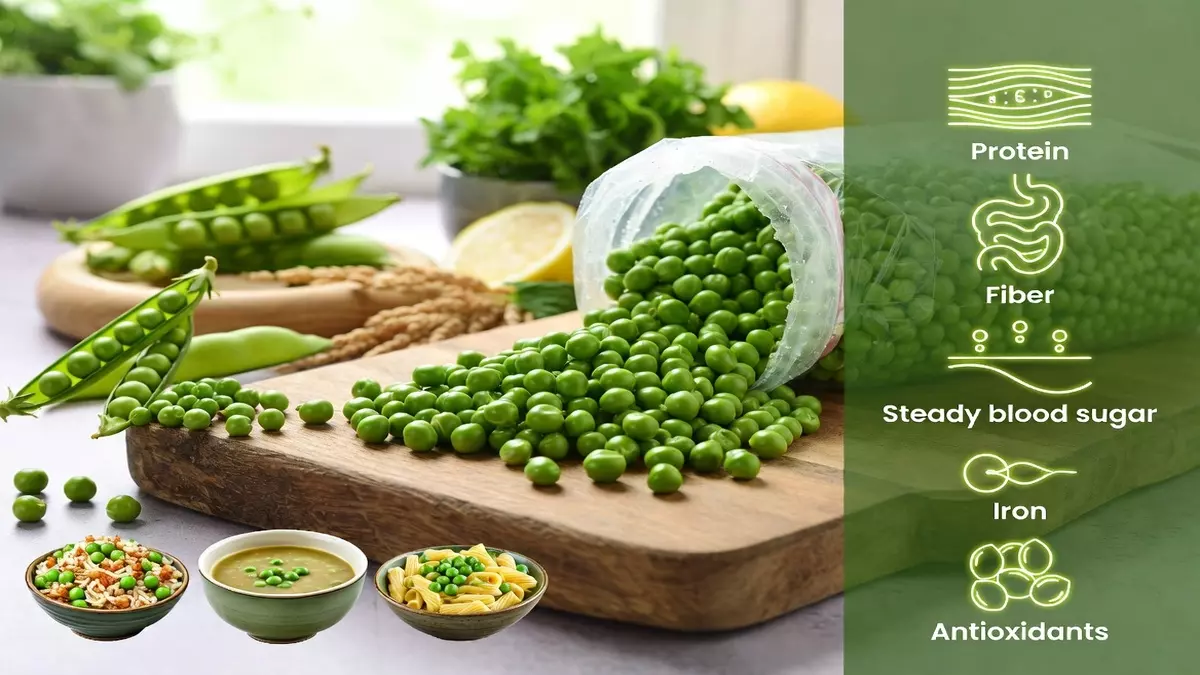
5 Reasons Peas Boost Protein, Fiber, and Blood Sugar Control

### The Protein Power in Every Serving of Peas
Protein remains a top priority for active adults, athletes, and anyone focused on feeling full longer. While peas won’t replace steak or eggs, they provide a respectable boost that many vegetables lack.
A half-cup serving of cooked green peas (about 2.8 ounces) contains roughly 62 calories, 4 grams of protein, 4 grams of fiber, and zero saturated fat. This profile makes peas an easy win for boosting pasta dishes, grain bowls, soups, or casseroles without adding heaviness.

Pea protein supports muscle maintenance, tissue repair, and immune function. Its mild taste blends seamlessly into family favorites, helping parents sneak extra nutrition into meals kids actually enjoy. For plant-forward eaters, peas add variety to the usual lineup of beans and lentils.
**Completing the Protein Picture**
Pea protein shines in many ways but comes lower in certain sulfur-containing amino acids like methionine and cysteine. Pairing peas with grains such as rice, quinoa, or corn creates a more complete amino acid profile. Combining them with small amounts of dairy, eggs, or other legumes further enhances their value in a balanced diet.
This complementary approach turns simple meals into nutrition powerhouses. Think pea-studded fried rice with eggs or a hearty vegetable stew with beans—delicious ways to meet daily protein goals without complicated meal prep.

### How Peas Deliver Gut-Friendly Fiber That Helps Blood Sugar
Most Americans fall short of the recommended 28 grams of daily fiber. Peas help bridge that gap naturally and deliciously. Their fiber blend includes both insoluble types that promote regularity and soluble fiber that forms a gentle gel in the digestive tract.
This combination slows digestion, which can lead to more stable blood sugar levels after meals. The result? Fewer energy crashes and longer-lasting fullness that curbs mindless snacking. Adding a handful of peas to rice, noodles, or curry can transform a basic carb-heavy meal into something more balanced and satisfying.
Beyond blood sugar support, the fiber in peas nourishes beneficial gut bacteria. A healthier microbiome links to better digestion, immunity, and even mood regulation. For anyone managing prediabetes, weight goals, or simply wanting steady energy throughout the day, peas offer a low-effort strategy with measurable benefits.
### Iron, Antioxidants, and Plant Compounds Worth Knowing
Iron deficiency affects millions and ranks as one of the most common nutritional shortfalls worldwide. It contributes to fatigue, weakness, and reduced focus—issues many people brush off as just part of a busy life.
Green peas contain more iron than many common vegetables, making them a helpful contributor in a varied diet. While not a standalone solution (pairing with vitamin C-rich foods like tomatoes or peppers improves absorption), regular inclusion adds up over time.
Peas also deliver polyphenols and flavonoids—plant compounds studied for their antioxidant and anti-inflammatory properties. These bioactive elements help combat daily oxidative stress and support cellular health. While peas aren’t a cure-all, they add meaningful layers of protection when enjoyed consistently as part of an overall healthy eating pattern.
### Why Frozen Peas Make Smart, Budget-Friendly Nutrition Easy
Healthy eating shouldn’t break the bank. Frozen peas excel here with prices often ranging from 60 to 90 cents per pound, depending on location and sales. They deliver excellent value with virtually zero waste—just scoop what you need and return the bag to the freezer.
Unlike fresh produce that can wilt before use, frozen peas maintain quality for months. A comprehensive two-year study comparing fresh, frozen, and refrigerated vegetables found that frozen options often retain nutrients as well as or better than fresh items stored for several days. Peas picked at peak ripeness and quickly frozen lock in vitamins and minerals effectively.
This convenience matters in real life. Busy weeknights, last-minute meal planning, and unpredictable schedules all benefit from ingredients that stay fresh and ready. Frozen peas eliminate the pressure of using fresh vegetables before they spoil, making consistent nutrition more achievable for families and individuals alike.
### Simple, Tasty Ways to Enjoy More Peas Daily
Incorporating peas requires no fancy recipes or major lifestyle overhaul. Here are practical ideas that work in American kitchens:
– **Pasta and Grain Boosters**: Stir peas into spaghetti carbonara, macaroni and cheese, or quinoa salads during the final minutes of cooking.
– **Soup and Stew Enhancers**: Blend them into creamy pea soup, add to chicken vegetable soup, or include in hearty beef stew.
– **Fried Rice and Stir-Fries**: Toss frozen peas straight into vegetable fried rice, shrimp stir-fry, or tofu dishes for color, texture, and nutrition.
– **Creative Twists**: Make pea pesto for sandwiches, mash them as a spread on toast, or mix into potato salad for extra protein.
– **Kid-Friendly Options**: Their natural slight sweetness and soft texture often appeal more than bitter greens. Hide them in mashed potatoes or cheese quesadillas.
For meal prep enthusiasts, peas freeze beautifully and reheat quickly, making batch cooking simpler. Season simply with herbs, garlic, lemon, or a touch of butter to let their fresh flavor shine.
### The Bigger Picture: Peas as Part of Sustainable Healthy Eating
Peas won’t transform your health overnight, but their regular presence supports long-term wellness goals. They combine protein, fiber, iron, and antioxidants in one affordable package while being gentle on the planet compared to some animal proteins.
Their versatility helps reduce reliance on ultra-processed foods. By adding peas to familiar dishes, you upgrade nutrition without changing eating habits drastically. This approach feels sustainable rather than restrictive—key for lasting change.
Portion flexibility makes peas ideal for different needs. Athletes can load up for extra protein and carbs, while those watching calories appreciate the low energy density paired with high satiety. Everyone benefits from the blood sugar-stabilizing effects that support consistent energy.
### Conclusion: Small Change, Meaningful Impact
Green peas prove that impressive nutrition often hides in everyday foods. Their combination of plant protein, gut-supporting fiber, modest iron, and antioxidant compounds makes them a smart addition for better blood sugar control, sustained energy, and overall vitality.
Next time you reach for frozen vegetables, give peas a prominent spot. Affordable, nutritious, and incredibly convenient, they deliver real value without complexity. Your body—and your wallet—will thank you.
### FAQ: Common Questions About Peas and Nutrition
**1. Are peas a good source of protein for vegetarians and vegans?**
Yes. While not complete on their own, peas provide 4 grams of protein per half-cup serving. Pairing them with grains or other plant foods creates balanced meals that support muscle health and satiety.
**2. How do peas help with blood sugar management?**
The fiber in peas slows digestion and carbohydrate absorption, leading to more gradual blood sugar rises. This makes them helpful for steady energy and potentially beneficial for diabetes prevention or management when part of a balanced plate.
**3. Can frozen peas match the nutrition of fresh peas?**
Absolutely. Research shows frozen peas often retain nutrients exceptionally well because they’re frozen at peak freshness. They frequently outperform fresh peas that have spent days in the refrigerator.
**4. Do peas contain enough iron to prevent deficiency?**
Peas contribute iron but work best as part of a varied diet. Combine them with vitamin C sources for better absorption. They’re a helpful addition rather than a sole solution for iron needs.
**5. What’s the best way to store and use peas to maximize benefits?**
Keep frozen peas in their original bag in the freezer. Add them directly to hot dishes without thawing for convenience. Aim for several servings weekly to enjoy cumulative protein, fiber, and antioxidant benefits.
**6. Are there any downsides to eating peas regularly?**
Most people tolerate peas well. Those with legume sensitivities or certain digestive conditions may want to start slowly. Overall, peas rank as a safe, nutrient-dense food for the general population.
**7. How do peas compare to other green vegetables nutritionally?**
Peas stand out for higher protein and fiber content compared to many leafy greens. They offer a unique balance that complements rather than competes with spinach, broccoli, or kale in a colorful, varied diet.
Start small by adding peas to one or two meals this week. The cumulative effect of these simple choices can support better health, easier cooking, and smarter grocery spending—one serving at a time.