
Table of Contents
- 1. Why We Crave Sweets After a Meal
- 2. The Science of the “Prickly” Reset
- 3. Pineapple: A Nutritious Addition, Not a “Magic Pill”
- 4. How to Try the Pineapple Reset
- 5. A Balanced Perspective on “Wellness”
- 6. Frequently Asked Questions (FAQ)
- 6.1. Is it safe for everyone to eat pineapple after lunch?
- 6.2. Will canned pineapple work as well as fresh?
- 6.3. Is pineapple a cure for sugar addiction?
- 6.4. Does the pineapple replace the need for fiber?
- 6.5. Why do some people feel a “burning” on their tongue?
The “Pineapple Reset”: A Simple Trick to Curb After-Lunch Sugar Cravings
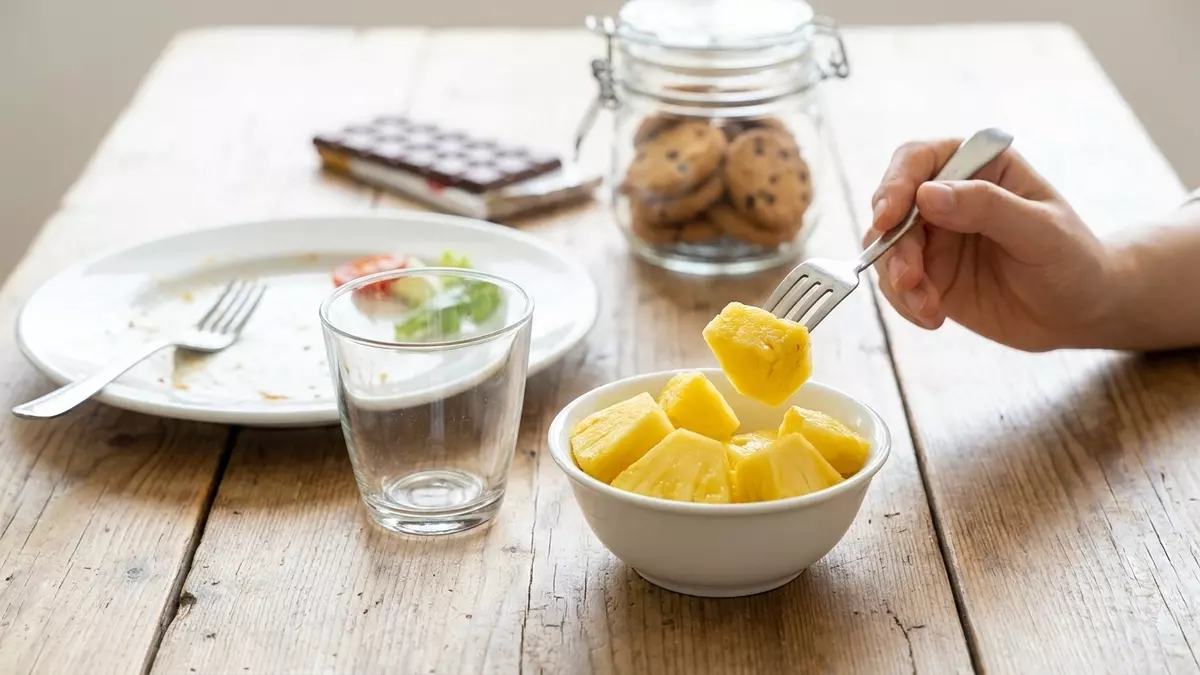
If you find yourself automatically reaching for a cookie, chocolate, or sugary treat the moment you finish your lunch, you aren’t alone. This post-meal urge is often less about physical hunger and more about routine, habit, and the way our brains signal comfort. However, a simple, natural strategy may help you interrupt this cycle: eating a few chunks of fresh pineapple.
Spanish radiologist and university professor José Manuel Felices suggests that this tropical fruit can act as a “sensory pause button” for your cravings. Here is why this trick works and how you can use it to build a more balanced relationship with dessert.

The Pineapple Reset A Simple Trick to Curb After-Lunch Sugar Cravings
Why We Crave Sweets After a Meal
Cravings are not a sign of weak willpower. They are a complex interplay of brain signals, learned behaviors, stress levels, and hormonal fluctuations. When we make dessert a daily habit, the brain expects that hit of sugar to signify the “end” of the meal. Over time, this becomes a reflexive comfort routine that is difficult to break, even when we are physically full.

The Science of the “Prickly” Reset
The secret behind the pineapple trick is an enzyme called bromelain. Found in the fruit and stem of the pineapple, bromelain is a protein-digesting enzyme that is famous for its ability to break down proteins.
When you eat fresh pineapple, bromelain interacts with the proteins on the surface of your tongue. This creates that characteristic “tingling” or slightly sharp, fizzy sensation. Research suggests that this sensation—combined with the fruit’s unique profile—can influence your taste thresholds for sweetness and bitterness. By essentially “resetting” your palate, a few pieces of fresh pineapple can make the idea of a sugary dessert feel less appealing or necessary.
Pineapple: A Nutritious Addition, Not a “Magic Pill”
It is important to manage expectations: pineapple is a tool for behavioral change, not a medical “cure” for sugar addiction. When you choose pineapple instead of a cookie, you are opting for a nutrient-dense alternative:

Fiber: Aids in digestion and helps provide a sense of satiety.
Vitamin C: A powerful antioxidant that supports immune health.
Naturally Occurring Sugars: Unlike cookies or candies, pineapple provides sweetness alongside fiber and micronutrients, meaning it doesn’t contain the “added sugars” that health organizations advise us to limit.

How to Try the Pineapple Reset
You don’t need to eat a massive bowl to see a result. Follow these simple steps to test the trick for yourself:
Keep it Modest: A small serving—just a few fresh chunks—is often enough to provide the sensory reset you need.
Chew Slowly: Take your time. Give your brain and taste buds a moment to register the prickly, sweet, and acidic experience.
Wait for the Pause: After eating the pineapple, give the craving a few minutes to subside. You may find that the “automatic” urge for chocolate fades away once your palate has been redirected.
Listen to Your Body: If you experience any burning, hives, swelling, or respiratory discomfort, discontinue use immediately, as some individuals have pineapple allergies.
A Balanced Perspective on “Wellness”
The most vital takeaway from this tip is the idea of balance rather than punishment. Feeling the need for a sweet treat occasionally is perfectly human. The goal isn’t to create another restrictive food rule that leaves you feeling guilty, but rather to give yourself a tool to avoid mindless, daily grazing.
For a truly effective strategy, ensure your lunch is well-rounded. Including adequate protein, healthy fats, and fiber-rich vegetables in your main meal will keep your blood sugar more stable, making those intense post-meal cravings less likely to surface in the first place.
Frequently Asked Questions (FAQ)
Is it safe for everyone to eat pineapple after lunch?
For most people, yes. However, if you are taking medications, talk to your doctor before adding supplements containing concentrated bromelain to your diet, as they can interact with certain drugs. If you have an allergy to pineapple, avoid this trick entirely.
Will canned pineapple work as well as fresh?
The “prickly” sensation is caused by active bromelain. High heat used in the canning process often denatures (inactivates) these enzymes, so fresh pineapple is the best choice for this specific “reset” effect.
Is pineapple a cure for sugar addiction?
No. Persistent or overwhelming cravings that interfere with your daily life may require a conversation with a registered dietitian or healthcare provider. Pineapple is a simple sensory tool, not a medical treatment.
Does the pineapple replace the need for fiber?
Pineapple contains fiber, but it shouldn’t replace a balanced meal. It works best as an addition to a healthy diet, helping you manage cravings so you can stick to your long-term health goals.
Why do some people feel a “burning” on their tongue?
That is the bromelain at work! It is breaking down the proteins on your tongue. For most, it is a mild, temporary tingle. If it causes actual pain or swelling, stop eating it.