
Table of Contents
Are “Sugar-Free” Sweeteners Riskier Than We Thought?
The “sugar-free” aisle has long been marketed as a sanctuary for those looking to manage blood sugar, reduce calorie intake, or adhere to ketogenic diets. However, recent research from the University of Colorado Boulder is prompting a closer look at a common sugar alcohol: erythritol. While this sweetener is a staple in protein bars, keto-friendly snacks, and diet sodas, new evidence suggests it may interact with the body in ways that aren’t as benign as once believed.

Are Sugar-Free Sweeteners Riskier Than We Thought
What the New Study Reveals
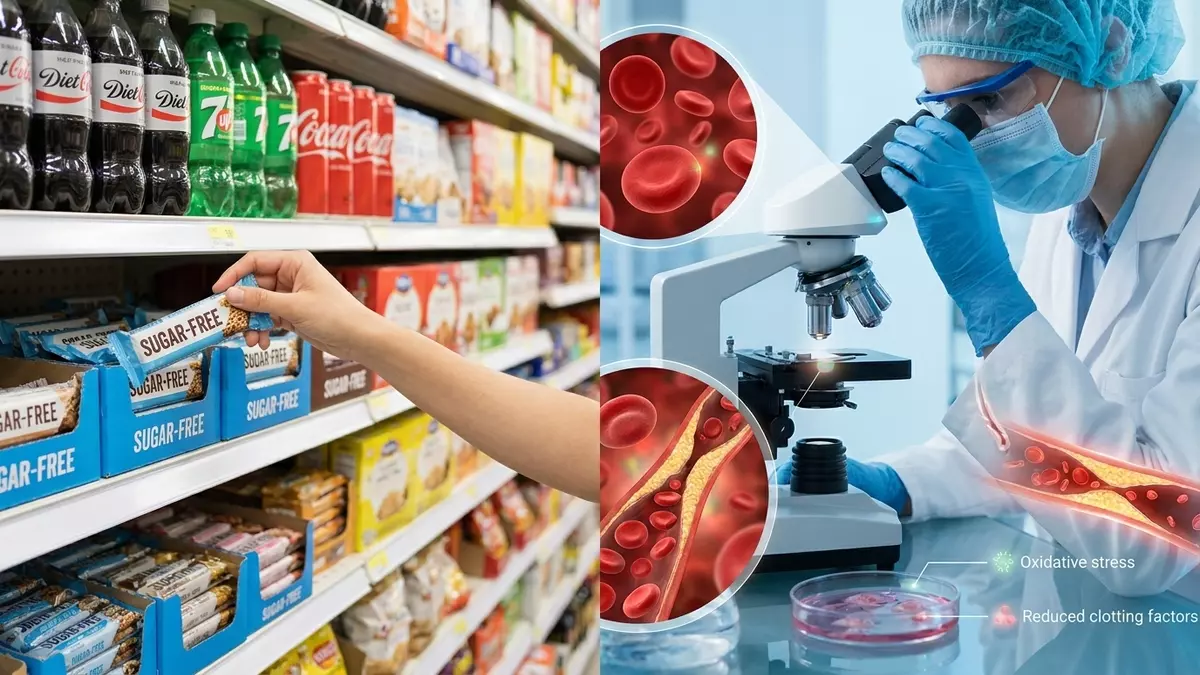
Researchers at the University of Colorado Boulder focused their study on the cells that line the tiny blood vessels in the brain. When these cells were exposed to concentrations of erythritol equivalent to what might be found in a typical sugar-free beverage, researchers observed several concerning changes:
Vascular Constriction: The cells produced more endothelin-1, a protein that causes blood vessels to tighten, and less nitric oxide, which is necessary for vessels to relax and widen.
Oxidative Stress: There was an increase in reactive oxygen species (free radicals), indicating cellular wear and tear.
Clot-Busting Ability: The cells’ ability to release t-PA—a natural substance that breaks down blood clots—was sharply reduced.

The Bottom Line: While this study was conducted on cells in a lab rather than in the human body, the findings provide a potential mechanism for earlier observations linking erythritol to higher risks of cardiovascular events, such as stroke and heart attack.

A Growing Pattern of Concern
This new lab work adds weight to a 2023 study published in Nature Medicine, which followed patients undergoing cardiac evaluations. That study found that individuals with the highest blood levels of erythritol were approximately twice as likely to experience major cardiovascular events compared to those with the lowest levels.
While observational studies show associations rather than definitive cause-and-effect, the consistency of these findings has led scientists to urge more caution regarding the long-term, frequent consumption of erythritol.
Why Erythritol Is So Prevalent
Erythritol is a sugar alcohol found naturally in small amounts in grapes, mushrooms, and fermented foods. However, the commercial version used in food processing is produced through large-scale fermentation. It became a favorite of the food industry because it provides:

Near-Zero Calories: Perfect for calorie-restricted diets.
Sugar-Like Texture: It is about 80% as sweet as table sugar.
FDA Status: It is currently recognized as “Generally Recognized as Safe” (GRAS) by the FDA.
However, regulatory status does not equate to “health food.” Many keto-friendly snacks are still highly processed, and replacing sugar with a sweetener does not automatically negate the impact of an processed-food-heavy diet.
How to Navigate Your Grocery Labels
You don’t need to panic, but you should be proactive. If you frequently reach for sugar-free foods, consider the following:
Read the Ingredient List: Look specifically for “erythritol” or the general term “sugar alcohols.”
Monitor Serving Sizes: It is easy to consume multiple servings of a snack bar or diet soda, which can lead to higher-than-expected levels of these additives in your bloodstream.
Assess Your Risk Profile: Individuals with a history of heart disease, stroke, high blood pressure, or blood clotting issues should be particularly cautious. Speak with your healthcare provider or a registered dietitian about whether these sweeteners are appropriate for your specific health needs.
Prioritize Overall Sweetness: The most sustainable health move isn’t finding the perfect sugar substitute—it’s lowering your overall threshold for sweetness.
The Healthiest Sweetness Strategy
The takeaway is not that you should return to massive amounts of refined sugar; excess added sugar remains a primary driver of metabolic health issues. Instead, move toward a diet where “natural” and “sugar-free” are not your primary guides for health.
Try to transition toward less processed sources of flavor:
Use cinnamon, vanilla extract, or citrus zest for flavor without sugar.
Choose plain yogurt topped with fresh berries instead of pre-sweetened versions.
Stick to water, seltzer, or unsweetened tea for hydration.
By treating sugar-free sweeteners as occasional tools rather than daily staples, you can protect your long-term cardiovascular health while still enjoying a balanced lifestyle.
Frequently Asked Questions (FAQ)
Does this mean I should stop drinking diet soda?
The study highlights risks associated with frequent, high-level use. If you consume these products daily, consider cutting back. If you only have one occasionally, the immediate risk is likely much lower, but moderation is the best policy.
Is erythritol worse than sugar?
They are different issues. High sugar intake is linked to metabolic disease, diabetes, and obesity. Erythritol is currently being studied for its potential effects on blood vessel function and clotting. Neither should be considered a “health food.”
Why are some agencies still saying it’s safe?
Regulatory agencies base their decisions on specific thresholds and acute toxicity. Emerging research, like this recent study, often takes time to influence official guidelines. Science is evolving, and it is smart to err on the side of caution.
Are all sugar alcohols harmful?
Different sugar alcohols (like sorbitol, xylitol, and erythritol) have different chemical structures and effects on the body. This study specifically focused on erythritol.
What is the “healthiest” way to sweeten food?
The healthiest way is to reduce your reliance on sweet-tasting foods altogether. Using whole fruit or small amounts of honey or maple syrup is generally preferred over ultra-processed artificial sweeteners, but even those should be consumed in moderation.