
Table of Contents
- 1. The Nutritional Foundation: Embracing Non-Starchy Vegetables
- 2. Cultivating Your Plate with the ADA’s Top Vegetable Picks
- 2.1. Navigating Fresh, Frozen, and Canned Options
- 3. Mastering the Diabetes Plate Method
- 3.1. The Half-Plate Rule
- 3.2. The Protein Quarter
- 3.3. The Carbohydrate Quarter
- 4. Daily Servings and Long-Term Integration Strategies
- 5. Essential Companion Foods for Total Metabolic Harmony
- 5.1. Emphasizing Heart-Healthy Lipids
- 6. Conclusion
- 7. Frequently Asked Questions
- 7.1. Can you eat too many non-starchy vegetables if you have type 2 diabetes?
- 7.2. Are carrots considered a starchy or a non-starchy vegetable?
- 7.3. Does cooking non-starchy vegetables alter their impact on blood sugar?
- 7.4. Why does the ADA separate starchy vegetables from non-starchy ones?
- 7.5. Is vegetable juice a good substitute for whole non-starchy vegetables?
American Diabetes Association Highlights Best Vegetables for Balanced Eating
Navigating the world of nutrition to maintain steady blood sugar control can often feel overwhelming, leading many to believe that healthy eating requires sacrificing flavor, satisfaction, or culinary variety. However, clinical guidance from the American Diabetes Association (ADA) indicates that transforming your health does not demand a restrictive diet. Instead, simple, sustainable adjustments to how you structure your meals can dramatically optimize your physical fitness, daily energy levels, and long-term metabolic health.
Developing supportive eating habits involves more than merely tracking laboratory numbers or managing glucose spikes. The ADA emphasizes that prioritizing nutrient-dense whole foods can fundamentally improve your daily relationship with food, shifting the focus from restriction to abundance. When you establish your meals around foundational, high-quality ingredients, your body operates with maximum efficiency, leaving you feeling stronger, more energized, and fully nourished throughout the day.

American Diabetes Association Highlights Best Vegetables for Balanced Eating

The Nutritional Foundation: Embracing Non-Starchy Vegetables
When building a balanced meal plan designed to stabilize blood sugar, the American Diabetes Association highlights non-starchy vegetables as the absolute cornerstone of success. Unlike their starchy counterparts, these vegetables have a negligible impact on blood glucose levels, making them an invaluable asset for anyone managing diabetes, prediabetes, or general metabolic health.
Non-starchy vegetables are uniquely valuable because they are remarkably low in calories and carbohydrates while remaining exceptionally high in dietary fiber, water content, vitamins, minerals, and disease-fighting phytochemicals. The elevated fiber content slows down the digestive process, which delays glucose absorption into the bloodstream and promotes long-lasting satiety. Consequently, these vegetables allow you to eat generous, satisfying portions that curb hunger without triggering unwanted blood sugar spikes. In a medical landscape where portion control is frequently discussed, non-starchy vegetables represent one of the few food groups where health experts actively encourage individuals to consume more, not less.
Cultivating Your Plate with the ADA’s Top Vegetable Picks
To meet your body’s cellular needs and keep your meals engaging, the ADA recommends incorporating a diverse, colorful spectrum of non-starchy vegetables into your daily menu. These options are highly accessible and can be integrated seamlessly into any culinary style:

Cruciferous Powerhouses: Broccoli, cauliflower, Brussels sprouts, and cabbage.
Crisp Garden Favorites: Cucumbers, celery, radishes, carrots, and sweet bell peppers.
Vibrant Leafy Greens: Spinach, kale, romaine lettuce, Swiss chard, and arugula.
Savory Alliums & Nightshades: Tomatoes, onions, garlic, eggplant, zucchini, and summer squash.
Earthy Gems: Mushrooms, asparagus, and green beans.

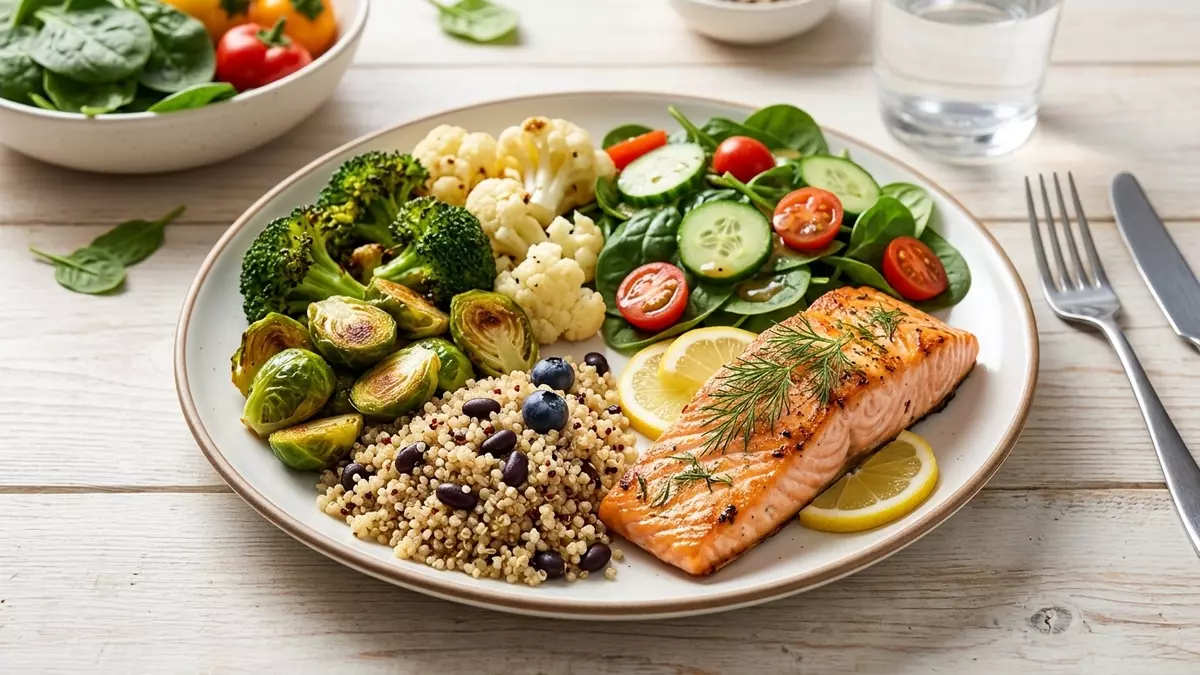
            [ 1/2 Non-Starchy Veggies ]
          /-----------------------------\
         |    Broccoli, Spinach, Salad   |
         |           and Carrots         |
         |-------------------------------|
         |  1/4 Lean Protein | 1/4 Carbs |
         |  Chicken, Tofu,   | Quinoa,   |
         |   Fish, or Eggs   |   Fruit   |
          \-----------------------------/
Navigating Fresh, Frozen, and Canned Options
Enjoying these vegetables does not require daily trips to the fresh produce aisle. The ADA notes that frozen and canned non-starchy vegetables are just as texturally and nutritionally viable as fresh ones, offering excellent shelf-life and convenience for busy households.
When shopping for packaged options, always scan the label and select products marked “no salt added” or “low sodium” to protect your cardiovascular health. If you only have access to standard canned vegetables, a quick and simple fix is to empty the contents into a colander and rinse them thoroughly under cold running water, which effectively flushes away a significant portion of the excess preserving sodium.
Mastering the Diabetes Plate Method
To make meal preparation completely stress-free, the ADA developed the Diabetes Plate Method. This visual tool eliminates the tedious need to count carbohydrates, weigh portions, or mathematically calculate calories, replacing complex equations with a simple, intuitive layout using a standard 9-inch dinner plate.
The Half-Plate Rule
Begin by filling exactly one-half of your plate with your choice of non-starchy vegetables, such as a crisp spinach salad, roasted broccoli, or sautéed zucchini. This guarantees that the bulk of your meal is naturally volume-dense and packed with micronutrients, filling your stomach comfortably while keeping the total glycemic load low.
The Protein Quarter
Dedicate one-quarter of your plate to high-quality lean proteins. Sourcing clean proteins like skinless chicken breast, turkey, wild-caught fish, eggs, tofu, or plant-based legumes provides the necessary amino acids to sustain lean muscle mass and further dampens potential post-meal blood sugar rises.
The Carbohydrate Quarter
Fill the remaining one-quarter of your plate with wholesome, complex carbohydrates. This quadrant is reserved for high-fiber, energy-sustaining options such as whole grains (quinoa, brown rice, wild rice, farro), fruit, low-fat dairy, or starchy vegetables like sweet potatoes, corn, and green peas. Keeping carbohydrates contained to this specific quarter allows you to enjoy the energy benefits of starches without overwhelming your body’s metabolic capacity.
Daily Servings and Long-Term Integration Strategies
To achieve optimal metabolic stability and support overall physiological wellness, the ADA recommends aiming for a minimum of six servings of vegetables every day. While six servings might initially sound like a staggering amount, the portion sizes are surprisingly practical and easy to manage once broken down:
One Serving equals: $\frac{1}{2}$ cup of cooked vegetables OR 1 cup of completely raw vegetables.
| Meal Occasion | Integration Technique | Total Servings Achieved |
| Breakfast | Fold a handful of baby spinach and diced mushrooms into a morning egg scramble or tofu bake. | 1 to 2 Servings |
| Lunch | Layer crisp sliced cucumbers, bell peppers, and romaine lettuce inside a wrap or beside a sandwich. | 2 Servings |
| Dinner | Dedicate half your dinner plate to a robust side of oven-roasted cauliflower and carrots. | 2 to 3 Servings |
By intentionally spreading your vegetable intake across your daily meals, hitting your nutritional goals becomes a natural, effortless part of your daily routine.
Essential Companion Foods for Total Metabolic Harmony
While non-starchy vegetables act as the foundational anchor, achieving long-term wellness requires pairing them with a supportive cast of clean macronutrients.
Emphasizing Heart-Healthy Lipids
Integrating a mindful amount of healthy fats into your meals is highly beneficial for blood sugar management. Monounsaturated and polyunsaturated fats—sourced from cold-pressed extra virgin olive oil, raw nuts, seeds, and fresh avocados—slow down gastric emptying even further. This slow movement ensures that your meals digest gradually, preventing sudden glucose spikes while maximizing your body’s ability to absorb fat-soluble vitamins (Vitamins A, D, E, and K) found abundantly in your non-starchy vegetables.
Conclusion
Transitioning to a balanced, blood-sugar-conscious lifestyle is ultimately about choosing health over restriction. By adopting the American Diabetes Association’s visual Plate Method and elevating non-starchy vegetables to the centerpiece of your meals, you can actively protect your metabolic health while enjoying vibrant, colorful, and satisfying food. True health is built upon consistent, daily habits—let your plate reflect balance, and enjoy the sustainable vitality that follows.
Frequently Asked Questions
Can you eat too many non-starchy vegetables if you have type 2 diabetes?
Because non-starchy vegetables are exceptionally low in both calories and carbohydrates, it is incredibly difficult to overeat them from a blood sugar perspective. However, radically increasing your intake overnight can occasionally cause temporary digestive adjustments like mild bloating or gas due to the sudden influx of dietary fiber. It is best to scale up your portions gradually and drink plenty of water.
Are carrots considered a starchy or a non-starchy vegetable?
Carrots are officially classified as a non-starchy vegetable by the American Diabetes Association. While they do possess a naturally sweeter flavor profile and slightly more natural sugar than leafy greens like spinach, their overall carbohydrate load is minimal, making them an excellent, high-fiber addition to the half-plate section of your meals.
Does cooking non-starchy vegetables alter their impact on blood sugar?
Cooking breaks down the cellular walls of vegetables, making them softer and occasionally slightly easier for the body to digest. While this can minimally raise the speed of digestion compared to eating them completely raw, the impact on your blood sugar remains entirely negligible. To preserve maximum vitamins and a crisp texture, opt for light steaming, roasting, or air-frying over prolonged boiling.
Why does the ADA separate starchy vegetables from non-starchy ones?
Starchy vegetables—such as white potatoes, sweet potatoes, yams, corn, and peas—contain significantly higher concentrations of complex carbohydrates per serving. Because these starches break down directly into glucose during digestion, they must be minded for portion size and placed strictly within the one-quarter carbohydrate section of your plate to maintain blood sugar harmony.
Is vegetable juice a good substitute for whole non-starchy vegetables?
No, whole vegetables are far superior. Commercial juicing processes strip away the invaluable dietary fiber, leaving behind a liquid that lacks the structural components needed to slow down digestion. Drinking juiced vegetables can cause faster glucose absorption than consuming the whole food, and pre-packaged juices frequently contain hidden added sugars and high levels of sodium.