
Table of Contents
**Warning: Popular Fiber Supplement Linked to Fatty Liver Progression**
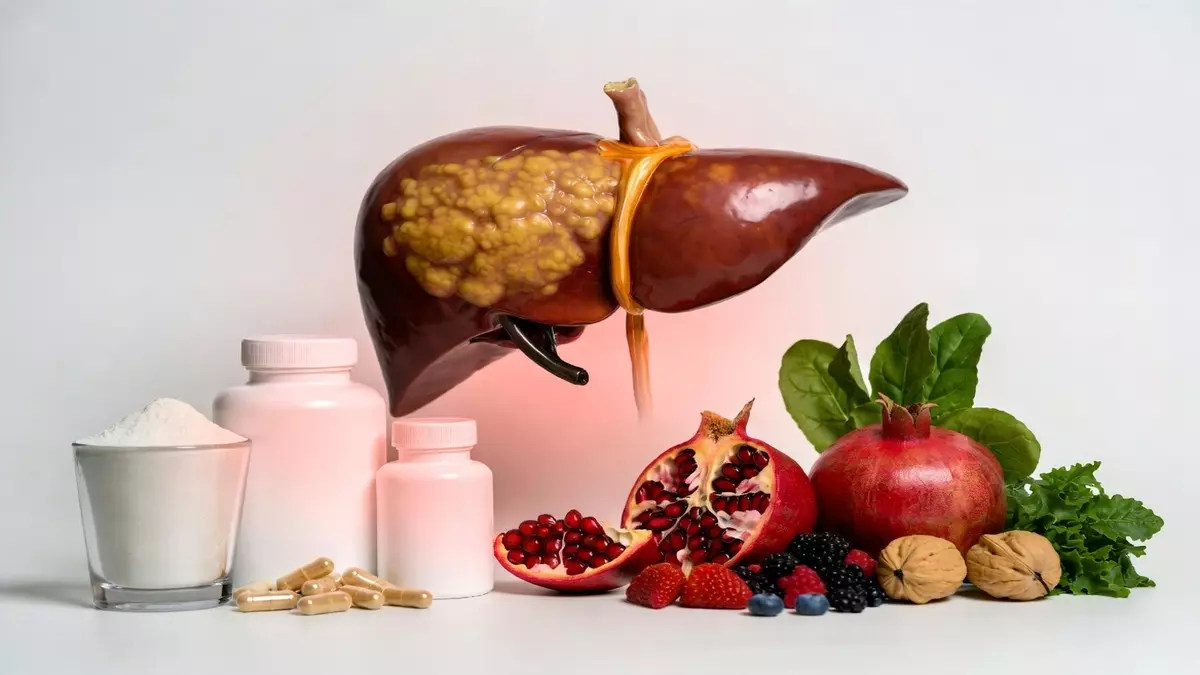
Many Americans turn to fiber supplements hoping for better digestion, steady energy, and even liver support. Yet emerging research raises a red flag: one widely used prebiotic fiber may actually accelerate certain markers of fatty liver disease when taken in isolation. This new insight challenges the “detox in a capsule” narrative and highlights why whole-body habits matter more than isolated nutrients.
The study from Edith Cowan University (ECU) examined how specific compounds interact in the body, particularly in the context of metabolic stress. While one natural antioxidant showed protective potential, the common fiber inulin told a more concerning story in animal models. For the millions managing busy lives with processed foods and limited movement, this serves as a timely reminder to look beyond trendy supplements.
Warning Popular Fiber Supplement Linked to Fatty Liver Progression
### Understanding Fatty Liver Disease and Its Growing Prevalence
Metabolic dysfunction-associated steatotic liver disease (MASLD), formerly known as nonalcoholic fatty liver disease, occurs when excess fat accumulates in liver cells. It often develops silently alongside obesity, type 2 diabetes, high blood pressure, elevated cholesterol, and sedentary lifestyles. Many people experience no obvious symptoms for years while internal damage progresses quietly.
Global estimates suggest MASLD affects approximately 38% of adults, making it one of the most common chronic liver conditions worldwide. Without intervention, it can advance to inflammation (steatohepatitis), fibrosis, cirrhosis, liver failure, or even liver cancer in susceptible individuals. The condition reflects broader metabolic challenges in modern living rather than a single cause.
Early detection through routine blood work and lifestyle assessment remains crucial, as symptoms like fatigue or upper abdominal discomfort often appear only after significant progression.
### What the Edith Cowan University Study Revealed
Researchers at ECU created a mouse model mimicking advanced fatty liver changes by feeding animals a Western-style diet high in processed elements. They then tested ellagic acid—a natural antioxidant abundant in certain plant foods—alongside inulin, a soluble prebiotic fiber popular in gut health supplements.
Ellagic acid, found naturally in pomegranates, berries, grapes, and walnuts, demonstrated several beneficial effects. It appeared to lower liver fat accumulation, reduce inflammation, and decrease signs of liver damage in the animals.
In contrast, inulin taken alone worsened multiple markers. The mice showed increased body weight, elevated blood glucose levels, and greater liver damage. These changes may relate to shifts in gut microbiome composition under the stress of the unhealthy diet pattern.
When the two compounds were combined, some of inulin’s negative impacts were mitigated, but the results do not translate directly to human treatment recommendations. The study underscores nutrient interactions rather than endorsing any specific supplement protocol.
Associate Professor Lois Balmer emphasized that diet quality involves complex relationships between foods and compounds, not just single ingredients. This interaction-focused view provides more practical guidance than oversimplified wellness claims.
### The Inulin Concern: Why a “Healthy” Fiber Might Backfire
Inulin, derived from plants like chicory root, is added to many yogurts, bars, and standalone supplements marketed for digestive regularity and microbiome support. While fiber generally benefits health, concentrated supplemental forms may behave differently in people already dealing with metabolic issues.
In the ECU research, inulin alone appeared to exacerbate liver stress in the disease model. This doesn’t mean all fiber sources harm the liver—quite the opposite for most whole-food fibers. It does suggest caution with high-dose prebiotic isolates when underlying conditions exist, particularly without accompanying dietary improvements.
Gut health remains important, but the delivery method and overall context matter. Over-reliance on processed supplements while maintaining poor eating patterns may create unintended consequences.
### Ellagic Acid’s Protective Potential from Real Foods
Unlike isolated supplements, ellagic acid occurs naturally alongside other beneficial compounds in whole foods. Pomegranates, strawberries, raspberries, blackberries, grapes, and walnuts offer this antioxidant in a balanced matrix that includes fiber, vitamins, and polyphenols.
The study’s positive findings for ellagic acid align with broader research on plant-rich eating patterns. These foods support antioxidant defenses and may help counter oxidative stress linked to fatty liver progression. However, consuming them as part of varied meals provides advantages that concentrated extracts often cannot match.
### Why Supplements Cannot Replace Lifestyle Foundations
Reputable sources like the Mayo Clinic stress that no vitamin or supplement can cure MASLD or fully substitute for core habits. While some products promise liver “cleanses” or rapid detox, many lack strong evidence and occasionally cause harm.
Sustainable progress comes from achievable changes:
– **Weight management**: Losing just 5% of body weight can significantly reduce liver fat. A 7-10% reduction often improves inflammation and scarring.
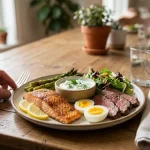
– **Dietary patterns**: The Mediterranean style consistently ranks among the most effective. Prioritize vegetables, fruits, whole grains, legumes, nuts, seeds, fish, and olive oil while limiting ultra-processed foods, sugary beverages, refined carbs, and excess saturated fats.
– **Physical activity**: Regular movement helps decrease liver fat independently of weight loss. Even moderate walking after meals supports metabolic function and may slow disease advancement.
These approaches address root causes rather than symptoms alone.
### Navigating Supplement Choices with Caution
The supplement industry offers many options promoted for liver health, but evidence varies widely. Vitamin E shows potential benefits for some MASLD patients yet carries risks for others, particularly those with diabetes or advanced scarring. Omega-3 fatty acids from fish or algae may help reduce fat in certain cases, though results remain inconsistent.
Emerging research explores compounds like beta carotene, lycopene, and curcumin for their antioxidant properties. For now, experts recommend obtaining nutrients primarily through food and discussing any supplements with healthcare providers to avoid interactions or unnecessary risks.
Always view dramatic claims skeptically. A single capsule cannot undo years of dietary and lifestyle patterns.
### Practical Strategies for Supporting Liver Health Naturally
Building liver-friendly habits doesn’t require perfection. Start with small, consistent steps that compound over time:
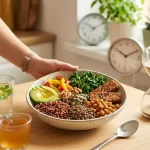
– **Plate composition**: Fill half your plate with non-starchy vegetables, add lean proteins and whole grains, and incorporate healthy fats like avocado or nuts.
– **Beverage choices**: Swap sugary drinks for water, unsweetened tea, or infused options. Limit alcohol, which burdens the liver further.
– **Movement integration**: Aim for 150 minutes of moderate activity weekly, including strength training to support metabolic health.
– **Sleep and stress**: Poor sleep and chronic stress worsen insulin resistance and fat storage. Prioritize consistent rest and relaxation techniques.
– **Monitoring**: Regular check-ups with blood tests can track liver enzymes and related markers.
Meal ideas might include grilled salmon with quinoa and roasted vegetables, berry smoothies with added spinach and walnuts, or hearty salads featuring chickpeas and olive oil dressing.
### The Bigger Picture: Nutrient Interactions and Personalized Approaches
This ECU study reinforces that context matters enormously. The same compound can produce different outcomes depending on diet quality, existing health status, and combinations with other foods. It encourages a holistic view over reductionist thinking.
For individuals already diagnosed with MASLD or at risk, working with a registered dietitian or hepatologist ensures tailored guidance. Factors like genetics, medications, and concurrent conditions influence the most effective plan.
Public health efforts increasingly focus on prevention through community programs promoting better food access and physical activity opportunities. Personal responsibility pairs best with supportive environments.
### Conclusion: Prioritize Evidence-Based Habits Over Quick Fixes
The emerging research on inulin and ellagic acid offers valuable nuance rather than panic. While concentrated prebiotic fibers may pose risks in certain metabolic contexts, whole-food approaches rich in natural antioxidants and diverse fibers remain supportive. True liver health stems from sustainable daily patterns, not miracle supplements.
By focusing on balanced nutrition, regular movement, and appropriate medical oversight, most people can make meaningful progress against fatty liver concerns. This measured path delivers lasting results that extend far beyond any single organ—improving energy, mood, and overall vitality for the long term.
Stay informed through credible sources, question bold marketing claims, and build habits that fit your real life. Your liver—and entire body—will benefit from this thoughtful approach.
### FAQ: Fatty Liver, Supplements, and Nutrition Questions
**1. What is the difference between MASLD and other liver conditions?**
MASLD involves fat buildup linked to metabolic factors rather than alcohol. It can progress to more serious stages but responds well to lifestyle changes in many cases.
**2. Should I stop taking inulin or prebiotic supplements immediately?**
Not necessarily for everyone. Discuss your specific situation with a doctor, especially if you have fatty liver concerns. Whole-food fibers from vegetables and fruits generally remain beneficial.
**3. Which foods are highest in ellagic acid?**
Pomegranates, berries (strawberries, raspberries), grapes, and walnuts provide good amounts. Aim for variety rather than large quantities of any single item.
**4. How much weight loss is needed to improve fatty liver?**
Even 5% of body weight can reduce liver fat significantly. Greater losses of 7-10% often yield improvements in inflammation and scarring.
**5. Are there any safe supplements for liver health?**
Some like omega-3s show promise, but evidence is mixed. Always consult a healthcare provider before starting, as individual needs vary.
**6. Can exercise help even without major weight loss?**
Yes. Physical activity reduces liver fat and improves metabolic markers independently. Combine cardio and strength training for best results.
**7. What diet pattern works best for MASLD management?**
Mediterranean-style eating consistently shows strong benefits through emphasis on plants, healthy fats, and minimal processed foods.