
Table of Contents
- 1. The Specifics of the Nationwide Medication Recall
- 2. Why “Failed Dissolution” Specifications Threaten Patient Care
- 3. Understanding Chlorthalidone: The Essential “Water Pill”
- 4. Decoding the FDA’s Class II Recall Classification
- 5. The Danger of Abruptly Stopping Blood Pressure Treatment
- 6. How to Conduct a Home Bottle Audit
- 7. Conclusion: The Reality of Global Supply Chains
- 8. Frequently Asked Questions (FAQ)
FDA Recalls Nationwide Blood Pressure Medication Over Quality Concerns
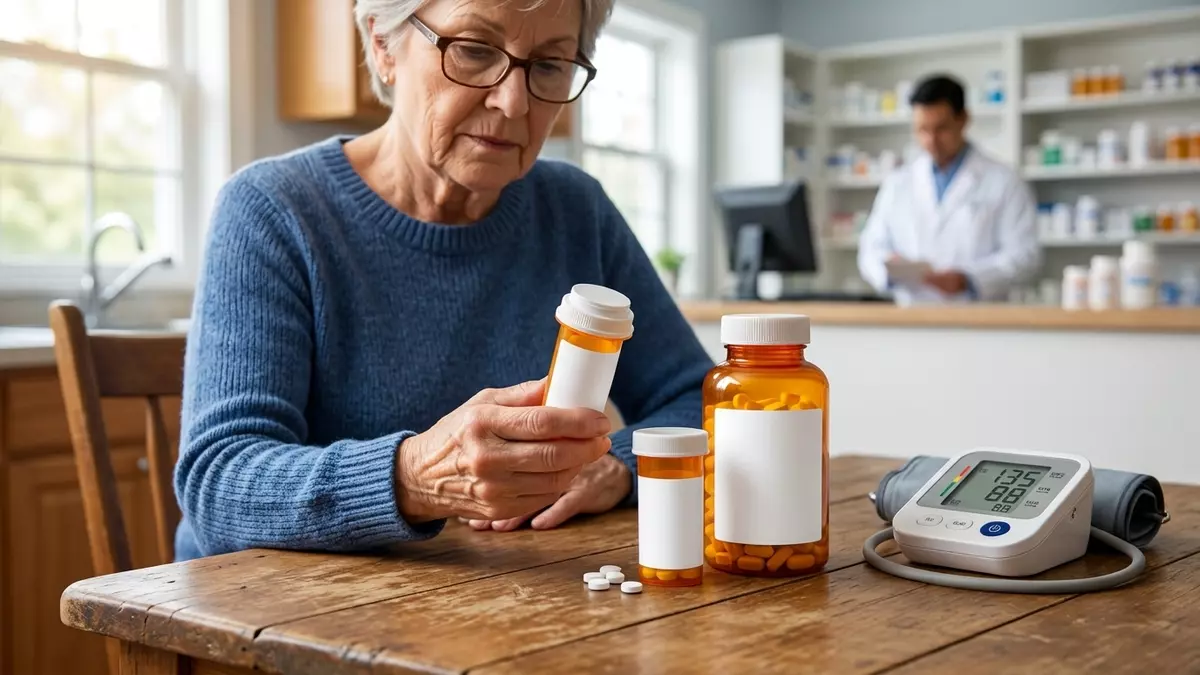
A widely prescribed cardiovascular medication utilized by patients across the United States has been officially pulled from pharmacy shelves and medicine cabinets. The U.S. Food and Drug Administration (FDA) initiated a sweeping nationwide recall after routine quality assurance screening exposed an issue regarding how the compressed tablets dissolve once swallowed.
The enforcement action specifically impacts over 11,400 bottles of a standard, low-cost generic medication distributed across all 50 states. While the recall sounds technical, its real-world implications are straightforward. If a pill cannot break down properly inside the digestive tract, a patient may not receive the vital medication at the dose or speed required to stabilize their cardiovascular system. Because high blood pressure is a silent condition that rarely displays obvious external warning signs, ensuring your medication functions exactly as engineered is a paramount health priority. Here is everything you need to know about the affected medication, how to audit your personal prescription bottle, and what steps to take next.
FDA Recalls Nationwide Blood Pressure Medication Over Quality Concerns
The Specifics of the Nationwide Medication Recall
The urgent product pull formally applies to 11,460 bottles of Chlorthalidone Tablets USP, 25-mg. The pharmaceutical manufacturer originally initiated the market withdrawal on June 5, 2026. Following an entry into the official federal enforcement logs, the regulatory body formally designated the event as a Class II recall on June 22, 2026.

June 5, 2026: Recall Initiated ──> June 22, 2026: FDA Classifies as Class II ──> 11,460 Bottles Affected
The recalled inventory spans both standard retail prescription sizes and bulk provider supplies. To determine if your current home supply is part of the recalled batch, carefully cross-reference the front and side labels of your prescription bottle against these exact manufacturing details:
Medication Name: Chlorthalidone Tablets USP, 25-mg
100-Count Bottles: Linked exclusively to Lot Number RISA24001
1,000-Count Bottles: Linked exclusively to Lot Number RISB24002
Expiration Date: Both affected lots display an expiration date of April 2027
Manufacturing Origin: Fabricated by Inventia Healthcare Limited in India
U.S. Distributor: Rising Pharma Holdings, based out of New Jersey


Because this distribution network spans major retail pharmacies, mail-order fulfillment centers, and local clinics nationwide, patients in every state are urged to check their current bottles immediately.
Why “Failed Dissolution” Specifications Threaten Patient Care
The precise clinical reason listed for the recall is a failure to meet required “dissolution specifications.” In standard pharmaceutical terminology, dissolution describes the exact rate and mechanism by which a solid oral pill breaks apart, dissolves into bodily fluids, and releases its active chemical ingredients into the bloodstream.
When a tablet fails these rigorous laboratory specifications, it introduces dangerous variables into a patient’s medical routine:
Under-Dosing: The tablet may pass through the stomach and intestines largely intact, preventing the body from absorbing the required therapeutic amount of the drug.
Delayed Absorption: The active molecules might release too slowly, leaving the patient unprotected during high-stress windows of the day.
Inconsistent Performance: A patient might absorb a normal dose one day and virtually nothing the next, creating erratic spikes and drops in blood pressure.
The FDA mandates strict dissolution testing for all solid oral medications to guarantee that every generic drug performs with identical consistency and structural integrity as the original brand-name counterpart.
Understanding Chlorthalidone: The Essential “Water Pill”
Chlorthalidone is classified as a thiazide-like diuretic, a category of medicine colloquially referred to as a “water pill.” It functions by prompting the kidneys to flush excess salt (sodium) and water out of the body through urine. This process decreases the total volume of fluid circulating through the vascular system, which directly lowers blood pressure and relieves structural strain on the heart walls.
Physicians primarily prescribe chlorthalidone to manage chronic hypertension (high blood pressure), either as a standalone first-line treatment or paired with other cardiovascular drugs. Additionally, due to its fluid-clearing properties, it is frequently used to reduce severe swelling (edema) caused by serious underlying chronic illnesses, including:
Congestive heart failure
Cirrhosis of the liver
Chronic kidney disease and renal complications
According to data compiled by the Centers for Disease Control and Prevention (CDC), nearly half of all adults in the United States suffer from high blood pressure, and a staggering percentage do not have it under proper clinical control. For these individuals, a daily prescription tablet is not an optional supplement—it is a critical piece of a complex daily health puzzle.
Decoding the FDA’s Class II Recall Classification
Hearing that your medication has been recalled can naturally trigger a wave of anxiety. However, understanding the regulatory tier of the announcement can help put the risk into perspective. The FDA utilizes a three-tiered classification system to categorize the severity of a product withdrawal:
Class I Recall: The most urgent category, issued when there is a strong probability that exposure to the product will cause severe health consequences or death.
Class II Recall: The intermediate category, indicating that usage of the product may cause temporary or medically reversible adverse health consequences, or that the probability of serious harm is remote.
Class III Recall: The least severe tier, involving products that violate manufacturing laws but are unlikely to cause any adverse health consequences.
Because this chlorthalidone event sits firmly in the Class II category, it means the federal government does not anticipate an immediate medical emergency. The recall is a proactive measure targeting a manufacturing quality flaw rather than a reported toxic contamination or a packaging mix-up.
The Danger of Abruptly Stopping Blood Pressure Treatment
While a recalled medication demands prompt attention, the FDA’s general consumer safety guidelines issue a strict warning: Do not stop taking your prescribed blood pressure medication cold turkey.
Abruptly halting a daily diuretic or antihypertensive regimen can trigger a dangerous clinical phenomenon known as rebound hypertension. When the body is suddenly deprived of the chemical support it relies on to regulate fluid volume, blood pressure levels can rapidly spike to levels significantly higher than they were before treatment started. This sudden surge can cause severe headaches, dizziness, chest pains, and an elevated risk of experiencing an immediate heart attack or stroke.
The safest course of action is to keep taking your current medication as prescribed until you can successfully secure a verified replacement batch.
How to Conduct a Home Bottle Audit
Auditing your prescription supply takes less than a minute. Grab your current pill container and follow this straightforward validation process:
Check the Front Label: Verify that the bottle explicitly reads Chlorthalidone Tablets USP, 25-mg. If you take a different dosage strength (such as 15-mg or 50-mg), your medication is not affected.
Locate the Lot Number: Search the side or back of the label for the letters “LOT” followed by an alphanumeric code. Check if it reads RISA24001 (for 100-count bottles) or RISB24002 (for 1,000-count bottles).
Verify the Expiration: Confirm if the text lists an expiration date of April 2027.
If your bottle’s information matches these recall parameters completely, do not throw the pills into the trash. Instead, place a call to your local pharmacy or visit the dispensing counter. Your pharmacist can officially verify the lot data, check their clean inventory, and immediately coordinate a safe, non-recalled replacement bottle or contact your provider for an alternative prescription.
Conclusion: The Reality of Global Supply Chains
Ultimately, this generic drug recall highlights the immense length and complexity of our modern global pharmaceutical supply chain. A single tablet can be engineered and manufactured halfway across the world in India, transported across oceans by an international distributor in New Jersey, stocked by a local neighborhood pharmacy chain, and finally end up sitting in a bathroom cabinet next to a home blood pressure cuff.
While anomalies in manufacturing specifications occur, the fact that this dissolution failure was flagged demonstrates that federal quality control monitoring is actively working to protect consumers. For the thousands of Americans managing hypertension, the path forward remains simple: check your label, keep taking your medication, and consult a qualified healthcare professional to ensure your heart remains protected.
Frequently Asked Questions (FAQ)
What should I do if my chlorthalidone bottle matches the recalled lot numbers?
If your prescription bottle matches lot RISA24001 or RISB24002, do not panic and do not stop taking your medicine. Contact your dispensing pharmacy immediately. The pharmacy team will guide you on how to return the affected container and will provide a safe, non-recalled replacement batch of chlorthalidone to ensure your daily treatment continues seamlessly.
Can I switch to a different blood pressure medication because of this recall?
You should never alter your cardiovascular medication type or dosage without a direct consultation and formal prescription update from your healthcare provider. If you are uncomfortable continuing with chlorthalidone, your physician can evaluate your medical history and safely transition you to an alternative diuretic or a different class of antihypertensive drugs, such as an ACE inhibitor or a beta-blocker.
Are there any reported injuries or illnesses tied to this specific chlorthalidone recall?
The FDA classified this market action as a Class II recall, which indicates that the risk of serious health consequences is remote. The withdrawal was initiated as a precautionary measure due to a laboratory dissolution test failure rather than a wave of reported adverse patient reactions or physical injuries.
How can I find out the lot number if my pharmacy uses a generic orange bottle?
Most pharmacies print the specific manufacturer’s lot number directly onto the white informational label wrapped around the generic orange bottle, often located near the expiration date or pharmacy phone number. If the label is scuffed, torn, or lacks this data, simply call your pharmacy; they keep digital records of the exact batch used to fill your specific prescription.
Why is chlorthalidone often preferred over other types of diuretics?
Clinical trials have demonstrated that chlorthalidone has a significantly longer biological half-life compared to other common diuretics like hydrochlorothiazide. This means it stays active in the bloodstream longer, providing smooth, consistent 24-hour blood pressure control and offering superior long-term reduction in overall cardiovascular event risks.