
Table of Contents
**Warning: MOMA Porridge Recall Hits Breakfast Staples**
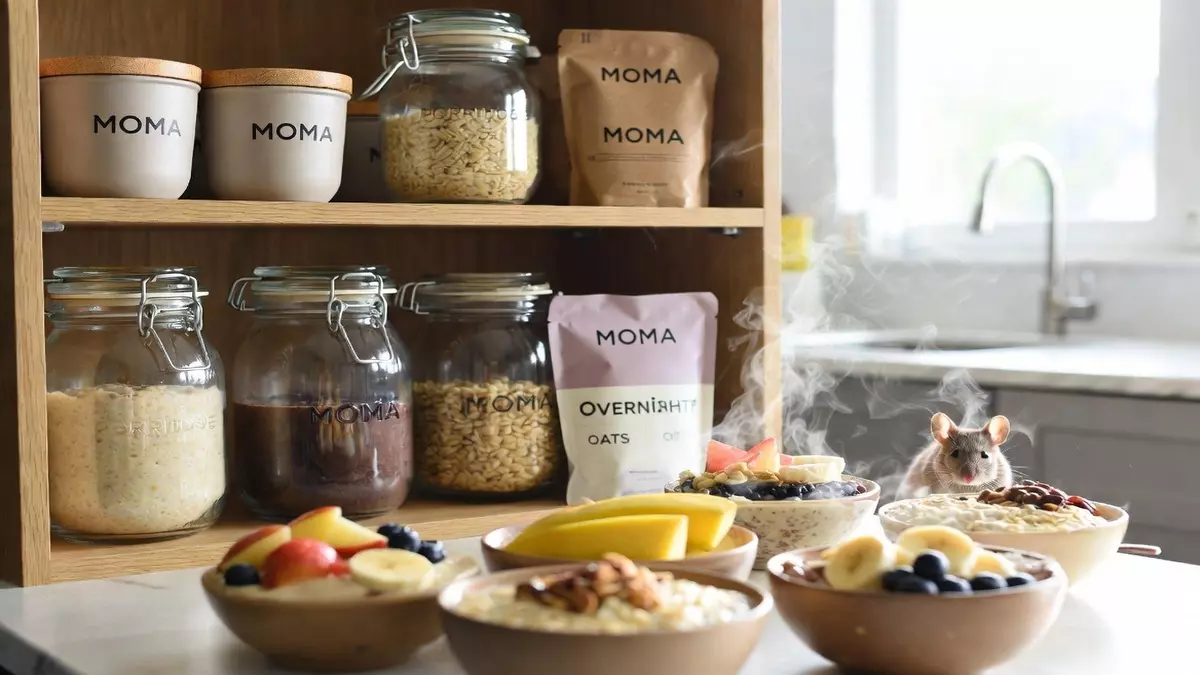
Millions of health-conscious shoppers start their mornings with a warm bowl of porridge or a convenient overnight oats pack. But a serious food safety alert from UK regulators is prompting families across the US and beyond to inspect their pantries immediately. MOMA Foods has issued a major recall for numerous porridge products due to possible mouse contamination, raising concerns about hidden health risks in everyday breakfast items.
This isn’t about oats losing their nutritional value. It’s a clear reminder that even trusted brands can face manufacturing challenges that affect consumer safety. The good news? Quick action and proper checks can keep your household protected while you continue enjoying this wholesome staple.

Warning MOMA Porridge Recall Hits Breakfast Staples
 A New Osteoarthritis Approach: Electrically Stimulating Muscles to Alter the Joint Environment
### What Products Are Included in the MOMA Recall?
The Food Standards Agency (FSA) expanded its recall notice on March 28, 2026, covering a wide selection of MOMA porridge and cereal items. Affected products carry best before dates ranging from April 24, 2026, to March 12, 2027. Many of these could still be sitting in kitchen cabinets, office desks, or gym bags unnoticed.
Key items on the recall list include:
– Porridge pots in popular flavors such as apple and cinnamon, brown sugar, banana and peanut butter protein, blueberry and vanilla, cranberry and raisin, golden syrup, and plain no-added sugar varieties.
– Individual sachets and larger Jumbo Oats bags.
– Raspberry and Apple Overnight Oats packs.

In practical terms for American shoppers, the single-serve pots weigh roughly 1.9 to 2.5 ounces, while the larger oat bags come in at about 15.9 ounces and overnight oats packs around 14.1 ounces. The identifying code appears stamped on the base of pots or the back of boxes, making verification straightforward during your next pantry sweep.
MOMA’s official safety notice confirms the recall applies to all relevant porridge and cereal products within that date window. One earlier listing for an Almond Butter & Salted Caramel 8-pack was removed as it had been included by mistake.
### Why Rodent Contamination Triggers Serious Food Safety Concerns

Mouse contamination might sound like a minor warehouse hiccup, but health authorities treat it with urgency for good reason. Rodents can transmit harmful pathogens through droppings, urine, and saliva that contaminate food production areas. The Centers for Disease Control and Prevention (CDC) highlights how these exposures can lead to various foodborne illnesses, even if the packaging appears perfectly sealed and normal.
Common risks associated with rodent-related contamination include bacteria that cause symptoms ranging from mild stomach upset to more severe gastrointestinal issues. While not every package will necessarily cause problems, food safety protocols prioritize prevention over chance. Regulators emphasize that visual or smell checks at home cannot reliably detect these invisible threats, which is why the official guidance remains firm: do not consume the products.
This approach aligns with broader FDA recommendations regarding food exposed to filth or rodents. The goal is protecting vulnerable groups, including young children, older adults, pregnant individuals, and those with compromised immune systems, who face higher chances of complications from foodborne pathogens.
### How the MOMA Contamination Issue Was Discovered
The recall stemmed from proactive investigation after a single consumer report flagged a potential problem. MOMA Foods learned from a third-party manufacturer on March 20, 2026, about a mouse contamination event that occurred in autumn 2025 at their production site. Manufacturing at that location has since been paused for thorough audits and corrective measures.
To date, the company reports receiving only one direct consumer complaint, yet they chose to recall all potentially impacted batches as a precautionary step. This demonstrates responsible corporate action in an industry where transparency builds long-term trust. The timing, however, means products purchased weeks or even months earlier could still pose concerns if stored in home pantries.
Many busy professionals keep these convenient porridge pots in drawers or bags for quick meals, making this recall particularly relevant for on-the-go lifestyles. It underscores the importance of periodically reviewing stored foods, especially non-perishable items with longer shelf lives.
### Immediate Steps for Consumers with Affected MOMA Products
If you discover matching products in your home, follow these clear recommendations:
1. **Stop consumption immediately** — Do not eat, cook, or prepare any affected items, regardless of appearance or odor.
2. **Return for refund** — Bring the products back to the original retailer for a full refund with no questions asked in most cases.
3. **Contact MOMA directly** — For online purchases, reach out to the company or email [email protected] for assistance.
4. **Practice proper hygiene** — Wash your hands thoroughly with soap and water after handling packages. Clean any surfaces where the items were stored to prevent cross-contamination.
5. **Monitor for symptoms** — If anyone has already consumed the product and experiences vomiting, diarrhea, fever, abdominal pain, or dehydration, consult a healthcare provider promptly. Symptoms may appear days after exposure.
This measured response helps contain potential risks while minimizing waste and inconvenience for families.
### The Enduring Appeal of Oats as a Healthy Breakfast Choice
Despite this recall, oats continue to earn their reputation as a nutritional powerhouse. Rich in soluble fiber, particularly beta-glucan, they support heart health, help regulate blood sugar, and provide sustained energy throughout busy mornings. Their versatility makes them easy to customize with fresh fruit, nuts, seeds, yogurt, or milk alternatives.
For many households, porridge represents an affordable, filling option that fits various dietary preferences — from high-protein versions to naturally gluten-free choices when properly processed. The issue here lies entirely with one manufacturing incident, not with oats themselves. Once production resumes under verified safe conditions, consumers can confidently return to their favorite routines.
This situation also offers a valuable opportunity to review overall pantry management habits. Simple practices like storing dry goods in airtight containers, checking expiration dates regularly, and maintaining clean storage areas contribute significantly to household food safety.
### Broader Lessons for Food Safety in Modern Kitchens
Food recalls, while concerning, serve as an essential safety net in our complex supply chains. They highlight the collaborative efforts between manufacturers, regulators, and consumers to maintain high standards. Organizations like the FSA and CDC provide critical oversight that protects public health on a daily basis.
Shoppers benefit from staying informed through official channels rather than social media rumors. In this case, the expanded recall notice corrected previous inaccuracies, showing ongoing commitment to accuracy. For international buyers, including those in the United States importing UK products, checking local retailer alerts remains important.
Parents managing school lunches, athletes tracking nutrition, and home cooks planning weekly meals all share the common need for reliable information. Taking a few minutes to verify products today prevents unnecessary health worries tomorrow.
**Conclusion**
Food safety ultimately depends on vigilance at every stage — from production facilities to home kitchens. The MOMA Foods porridge recall serves as a timely prompt to examine those pantry staples you might have set aside. By acting promptly on official guidance, you protect your family’s well-being without sacrificing the convenience and nutrition that make oats a breakfast favorite.
Stay proactive with your food choices, embrace transparent communication from brands, and remember that informed consumers drive positive changes across the industry. A safer morning routine starts with that simple package check.
### FAQ: MOMA Porridge Recall Questions Answered
**1. What is the exact date range for affected MOMA products?**
Products with best before dates from April 24, 2026, through March 12, 2027, are included in the recall. Always check the code on the packaging.
**2. Can I still eat the porridge if it looks and smells fine?**
No. Regulators advise against consuming any affected items because rodent contamination cannot be reliably detected through sight or smell alone.
**3. Where can I return recalled MOMA oats for a refund?**
Take them back to the store where purchased. For website orders, contact MOMA Foods directly using the provided customer service email.
**4. Are all MOMA products impacted by this mouse contamination recall?**
No, only specific porridge pots, sachets, jumbo oats, and overnight oats within the stated best before window. Other MOMA items remain unaffected.
**5. What should I do if my child ate one of the recalled porridge pots?**
Monitor for any symptoms like stomach issues or fever. Contact your pediatrician if concerns arise, especially for children under 5 who face higher risks.
**6. How can I prevent similar issues with other pantry foods?**
Store items in sealed containers, rotate stock using older products first, and stay updated on official recall notices from trusted food safety agencies.
**7. Will MOMA resume production safely after this incident?**
The company has paused manufacturing at the affected site for audits. Future products should meet enhanced safety standards once operations restart.
This recall, while disruptive, reinforces the systems in place to keep breakfast tables safe. By staying informed and responsive, families can navigate these situations confidently while enjoying nutritious meals.