
Table of Contents
**Why People Walk with Hands Behind Their Back: The Psychology of This Simple Habit**
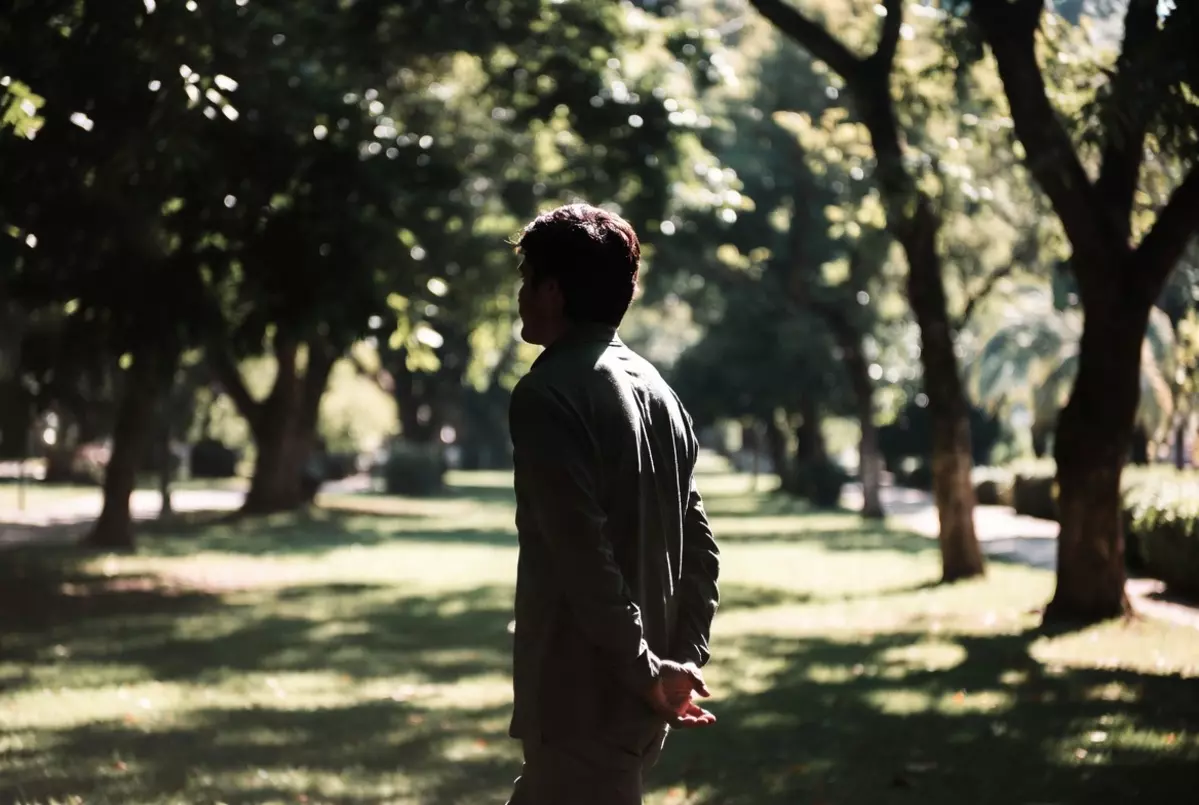
You’ve probably seen it many times: someone strolling slowly through a park, museum, or quiet neighborhood with their hands clasped gently behind their back. It looks thoughtful, almost contemplative. But what does this common posture actually mean?
Psychology suggests it’s rarely about trying to appear wise or formal. Instead, walking with hands behind the back often reflects a natural desire for mental clarity, emotional calm, and a slower pace of thought. This subtle habit creates a physical rhythm that can support reflection and reduce mental noise. Far from a mysterious personality signal, it’s a practical way many people help their minds settle.
Here’s what research and real-world observation reveal about this familiar gesture and why it feels so natural for so many.

Why People Walk with Hands Behind Their Back The Psychology of This Simple Habit
### The Mental Benefits of This Posture
When your hands are behind your back, they’re no longer in front of your body actively gesturing, fidgeting, or reaching for your phone. This simple shift can quiet external distractions and create internal space for thought.
 The Psychology of the Unmade Bed: What Your Morning Routine Reveals About Your Personality
By removing the hands from the usual visual field, the posture naturally slows your pace and encourages a more upright stance. Many people report that it feels like pressing a gentle “pause” button on mental chatter. The body becomes more still, and the mind often follows.
This isn’t just anecdotal. Research on body posture and cognition shows that how we hold ourselves influences thinking patterns. A calmer physical state can promote introspection and better emotional regulation, especially during casual walks.
### Walking Itself Boosts Creativity and Clarity

The real power may come less from the hand position and more from the act of walking. A well-known Stanford University study found that walking increased creative output by an average of 60% compared to sitting. Participants generated more ideas and performed better on divergent thinking tasks — the kind of open-ended thinking needed for problem-solving and reflection.
Walking changes brain chemistry and blood flow in ways that support idea generation. When combined with the hands-behind-the-back posture, the effect can feel even stronger. The slower pace and open chest position often deepen breathing, which further calms the nervous system and creates ideal conditions for clear thinking.
This explains why the habit appears so frequently during thoughtful moments — after a difficult conversation, while processing new information, or simply when someone needs to clear their head.
### How Posture Influences Mood and Focus
Body position isn’t neutral. Research from VU Amsterdam showed that upright, open postures are linked to better mood recovery and fewer negative thoughts compared to slouched positions. While the effect isn’t dramatic, small shifts in posture can support emotional balance.
Walking with hands behind the back typically encourages a straighter spine and relaxed shoulders. This alignment can subtly signal confidence and composure to both yourself and others. It may also reduce nervous hand movements, helping the mind stay focused rather than scattered.
A 2012 study in *Experimental Brain Research* even explored how hand position behind the body affects spatial attention. The brain continuously monitors where our limbs are, and certain placements can influence awareness and focus. In everyday terms, this posture seems to help some people feel more grounded and present.
### What This Habit Really Reveals
Contrary to popular body language myths, no single posture reveals deep secrets about personality. A 2023 article in *Perspectives on Psychological Science* warned against oversimplifying nonverbal cues. Context always matters.
Someone walking with hands behind their back might be:
– Deep in thought or reflection
– Trying to stay warm on a cool day
– Consciously trying not to fidget
– Following a habitual posture from military, teaching, or professional life
– Simply finding it physically comfortable
The gesture often appears in calm settings — gardens, art galleries, quiet streets — where people feel safe enough to slow down. In tense situations, the same posture might look guarded or stiff. Reading the full scene (facial expression, pace, environment) gives a much clearer picture than the hands alone.
### Cultural and Generational Patterns
This habit appears across many cultures, though it may be more noticeable among older adults, academics, or people in contemplative professions. Grandparents strolling through parks, museum curators observing exhibits, and thoughtful walkers in neighborhoods often adopt it naturally.
Younger people are picking it up too, especially during mindful walks, phone-free time, or when trying to reduce screen-related stress. In our fast-paced digital world, this simple posture offers a small rebellion against constant stimulation.
### How to Try This Habit Yourself
You don’t need to force the pose or treat it like a performance. Next time your mind feels cluttered or you need fresh perspective, try this:
1. Go for a short, unhurried walk.
2. Let your arms rest loosely behind your back — no tight clasping if it feels uncomfortable.
3. Keep your shoulders relaxed and posture naturally upright.
4. Breathe steadily and notice how your pace and thoughts change.
Some people find it helps them process emotions or solve problems more effectively. Others prefer their natural arm swing. Listen to your body — comfort comes first. If you have shoulder issues or balance concerns, modify the position or skip it entirely.
### When the Posture Might Not Help
Not every moment suits this habit. During active conversations or high-energy situations, free arm movement supports better communication. People with certain physical limitations may find other positions more comfortable. The goal isn’t rigid posture — it’s finding what supports your mental state in the moment.
### A Small Gesture With Surprising Value
In a world designed to keep us stimulated and distracted, walking with hands behind the back represents a quiet return to presence. It’s a low-effort way to create mental space, regulate pace, and invite reflection. The posture doesn’t guarantee wisdom or calm, but it often supports both.
Whether you’re processing big decisions, recovering from a stressful day, or simply enjoying a peaceful moment, this familiar habit offers a gentle tool for mental clarity. Sometimes the smallest adjustments to how we move create the most noticeable shifts in how we think and feel.
Next time you catch yourself or someone else walking this way, recognize it for what it often is: a natural expression of a mind looking for room to breathe.
### Frequently Asked Questions
**Does walking with hands behind your back mean someone is deep in thought?**
Often yes, but not always. It frequently signals reflection or a desire for calm, though it can also be a comfort habit or cultural posture.
**Is this posture good for posture and back health?**
It can encourage a straighter spine and open chest when done naturally. However, forcing it may cause shoulder tension. Comfort and balance should guide you.
**Can this habit reduce stress or anxiety?**
Many people find it helps. The slower pace combined with reduced hand fidgeting supports calmer breathing and clearer thinking, though results vary by individual.
**Why do older people seem to do this more often?**
It may relate to habitual patterns from past generations, greater comfort with slower movement, or simply having more time for contemplative walks.
**Is there a correct way to hold your hands behind your back?**
No universal “correct” way. Loosely clasped or resting is most common. Choose whatever feels natural and pain-free for your body.
**Does this posture make you look more confident?**
It can project composure and thoughtfulness in calm settings. However, body language is always interpreted within context.
**Should I try to adopt this habit intentionally?**
Experiment with it during relaxed walks. If it feels good and supports clearer thinking, it may become a useful tool. Never force uncomfortable positions.