
Table of Contents
- 1. Identifying the Recalled Medication: Exact Product Details
- 1.1. Product Specifications and Bottle Markings
- 1.2. The Critical Lot Numbers and Expiration Dates
- 2. Analyzing the Toxins: The Dangers of Lead and Lithium
- 2.1. The Systemic Hazards of Lead Contamination
- 2.2. The Risks of Unauthorized Lithium Ingestion
- 3. Understanding Regulatory Classifications: What a Class II Recall Means
- 4. The Therapeutic Role of Naproxen: Why Patients Rely On It
- 4.1. How NSAIDs Fight Pain and Swelling
- 5. Immediate Action Plan for Patients and Caregivers
- 5.1. 1. Quarantine the Affected Bottle
- 5.2. 2. Coordinate with Your Pharmacy
- 5.3. 3. Monitor for Adverse Symptoms
- 6. Maintaining Long-Term Medication Safety At Home
- 7. Frequently Asked Questions (FAQs)
- 7.1. Can I just switch to over-the-counter naproxen pills until this recall is resolved?
- 7.2. How do I safely dispose of the recalled liquid medication if my pharmacy won’t take it back?
- 7.3. Why does a medication need to be shaken if it is labeled as an “oral suspension”?
- 7.4. What should I do if my bottle has the correct lot number but a completely different expiration date?
- 7.5. Are generic versions of liquid naproxen included in this federal recall notice?
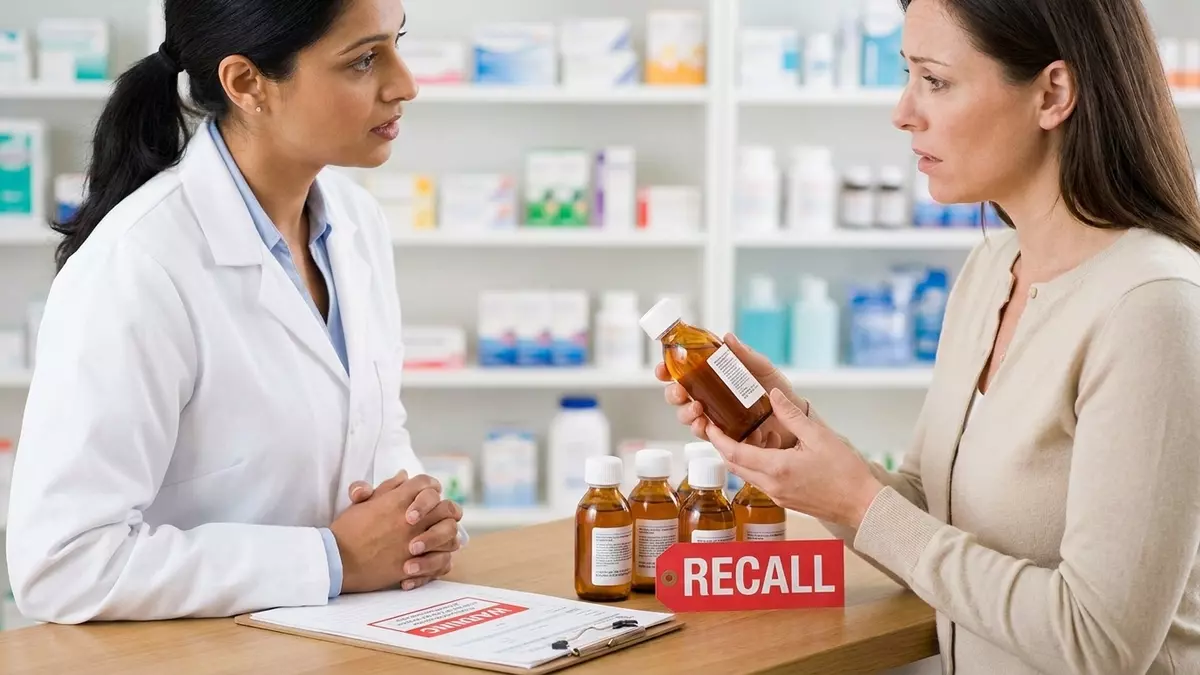
Recall Warning: Nationwide Naproxen Pull Highlights Heavy Metal Risks
A urgent nationwide recall has been issued for a widely prescribed liquid pain medication, prompting health officials to urge families to immediately audit their medicine cabinets. A select manufacturing batch of Naproxen oral suspension has been flagged by the U.S. Food and Drug Administration (FDA) due to unexpected chemical contamination, specifically involving lead and lithium.
This pharmaceutical recall does not affect every form of naproxen on the market. Over-the-counter naproxen sodium tablets and unrelated prescription batches remain safe for use. Instead, the federal advisory focuses strictly on a specific liquid oral suspension distributed across the country. Because this liquid formula is frequently prescribed to specific populations—such as young children with juvenile arthritis or elderly individuals who face difficulties swallowing standard pills—the presence of heavy metals has raised immediate red flags among consumer safety advocates.
Recall Warning Nationwide Naproxen Pull Highlights Heavy Metal Risks
Identifying the Recalled Medication: Exact Product Details
To determine if a bottle in your home is part of the affected batch, you must verify the specific packaging and print identifiers on the label. The recall encompasses exactly 6,336 bottles distributed nationwide by Acella Pharmaceuticals.
Product Specifications and Bottle Markings
The recalled medication is Naproxen Oral Suspension formulated at a legal prescription strength of 125 mg per teaspoon (5 mL). The product was distributed exclusively in 16-ounce (473 mL) light-resistant amber plastic bottles designed to shield the liquid mixture from light degradation.
An oral suspension means that the active pharmaceutical ingredient is suspended within a liquid base rather than completely dissolved. Consequently, these bottles feature prominent label instructions directing patients to shake the container thoroughly before measuring out a dose to ensure an even distribution of the medication.

The Critical Lot Numbers and Expiration Dates
To definitively confirm whether your prescription is safe or dangerous, look past the primary branding and examine the small, factory-stamped print typically located near the expiration date or alongside the pharmacy barcoding. The recall applies exclusively to the following two manufacturing lots:
Lot Number: 23F02 – Carrying a stamped expiration date of May 2026.
Lot Number: 25A37 – Carrying a stamped expiration date of January 2028.

The official recall actions began following quality control discoveries, and federal logs confirm the distribution spanned retail pharmacies, clinics, and care facilities nationwide. If your bottle features either of these codes, it is critical to halt use immediately.
Analyzing the Toxins: The Dangers of Lead and Lithium
The regulatory decision to pull these bottles stems from the discovery of two unauthorized chemical contaminants: lead and lithium. Neither substance has any legal or therapeutic place inside a nonsteroidal anti-inflammatory drug.
The Systemic Hazards of Lead Contamination
Lead is a highly potent heavy metal and a verified environmental toxin. While brief exposure in healthy adults may cause minimal immediate symptoms, lead acts as a cumulative poison that settles into soft tissues and bones over time.
The Centers for Disease Control and Prevention (CDC) warns that there is no safe level of lead exposure, particularly for developing children. When ingested, lead can cross the blood-brain barrier, causing permanent damage to the central nervous system. In pediatric patients, even low levels of lead exposure can result in:
Delayed physical growth and structural development.
Irreversible cognitive deficits, learning disabilities, and diminished IQ scores.
Behavioral disorders, including severe attention deficits and hyper-reactivity.
Acute systemic damage to the kidneys and red blood cell production systems.
The Risks of Unauthorized Lithium Ingestion
Lithium is a naturally occurring element that is widely utilized in psychiatric medicine as a prescription mood stabilizer to manage bipolar disorder. However, when it appears unannounced as an industrial contaminant in a pain reliever, it poses severe medical risks.
Because lithium carries a narrow therapeutic index—meaning the difference between a safe dose and a toxic dose is incredibly small—uncontrolled consumption can easily trigger localized poisoning. According to medical toxicologists, consuming unauthorized lithium can induce significant nervous system and metabolic disruptions, including:
Acute cognitive confusion, slurred speech, and severe tremors.
Unexplained fainting spells, dizziness, and cardiac arrhythmia.
Sudden, severe changes in kidney function and urination frequency.
Gastrointestinal distress, including persistent vomiting and neurological muscle twitches.
Understanding Regulatory Classifications: What a Class II Recall Means
The FDA has formally categorized this action as a Class II recall. Navigating the bureaucratic language of federal agencies can be confusing, but understanding these structural definitions helps patients accurately assess their personal risk.
The FDA utilizes three primary tiers to classify product recalls based on severity:
Class I Recall: The highest level of urgency. Reserved for situations where there is a reasonable probability that using the product will cause severe, irreversible health consequences or death.
Class II Recall: A moderate health hazard. This classification means that exposure to the contaminated product may cause temporary, medically reversible adverse health issues, or that the probability of serious, long-term medical harm is considered remote.
Class III Recall: The lowest level of risk. Applied to products that violate manufacturing or labeling laws but are highly unlikely to cause any adverse physical health consequences.
While a Class II designation indicates that an immediate medical catastrophe is unlikely for the average user, health professionals emphasize that this is not an invitation to ignore the warning. For a vulnerable patient, such as a toddler taking liquid naproxen daily for joint inflammation, a Class II hazard can quickly escalate into a serious clinical concern.
The Therapeutic Role of Naproxen: Why Patients Rely On It
To manage a medication recall safely, it helps to understand why this drug is prescribed in the first place. Naproxen belongs to a prominent class of medications known as Nonsteroidal Anti-Inflammatory Drugs, or NSAIDs.
How NSAIDs Fight Pain and Swelling
When your body experiences joint damage or tissue stress, it releases chemical compounds called prostaglandins. These enzymes trigger localized swelling, heat, stiffness, and pain signals. Naproxen works by blocking the specific pathways (COX-1 and COX-2 enzymes) responsible for producing these prostaglandins. By lowering these chemical levels, the drug effectively reduces:
The painful swelling and structural stiffness associated with chronic osteoarthritis.
The aggressive, autoimmune joint inflammation seen in rheumatoid arthritis and ankylosing spondylitis.
The daily physical discomfort experienced by pediatric patients battling juvenile arthritis.
It is vital to recognize that while naproxen is an exceptional tool for restoring daily mobility and easing pain, it is a symptom-management therapy. It does not cure underlying arthritic conditions or repair worn cartilage. Because patients often rely on it continuously to perform basic daily tasks, sleep comfortably, or stay employed, a sudden disruption in their supply requires quick, coordinated action.
Immediate Action Plan for Patients and Caregivers
If you discover a recalled bottle of liquid naproxen in your home, handling the situation calmly and methodically will protect your health and ensure your pain management plan remains uninterrupted.
+-------------------------------------------------------------------------+
|                        RECALLED MEDICATION ACTION PLAN                  |
+------------------------------------+------------------------------------+
| 1. Stop Consumption Immediately    | Do not take or administer another  |
|                                    | dose from the affected bottle.     |
+------------------------------------+------------------------------------+
| 2. Quarantine the Container        | Store it securely out of reach of  |
|                                    | children and domestic pets.        |
+------------------------------------+------------------------------------+
| 3. Establish Medical Contact       | Call your prescribing doctor or    |
|                                    | regular pharmacist immediately.    |
+------------------------------------+------------------------------------+
| 4. Secure a Safe Alternative       | Arrange for an untainted batch or  |
|                                    | a different class of pain relief.  |
+------------------------------------+------------------------------------+
| 5. Monitor Physical Health         | Watch for unexpected symptoms and  |
|                                    | report reactions to 1-888-INFO-FDA.|
+------------------------------------+------------------------------------+
1. Quarantine the Affected Bottle
The absolute first step is to isolate the medication. Do not administer another drop to yourself, your child, or an elderly relative. Place the bottle into a secure location completely separate from your active medications to prevent accidental use. Ensure it remains completely out of reach of children and domestic pets.
2. Coordinate with Your Pharmacy
Contact the specific pharmacy location that filled the prescription. Pharmacists are fully briefed on ongoing recall procedures and can cross-reference your patient profile with their digital inventory logs. They will guide you through the process of returning the contaminated bottle for a refund or replacement, and they can coordinate with your physician to secure an untainted batch of liquid naproxen or transition you to an alternative NSAID.
3. Monitor for Adverse Symptoms
If you or a loved one have recently consumed liquid naproxen from lot 23F02 or 25A37, monitor your health closely. Watch for early warning signs of heavy metal or lithium exposure, such as unusual lethargy, headaches, severe abdominal cramps, confusion, or changes in urination. If any unexpected physical changes occur, contact a healthcare professional or visit an urgent care center immediately. For general inquiries regarding the recall process, consumers can contact the federal regulatory agency directly at 1-888-INFO-FDA.
Maintaining Long-Term Medication Safety At Home
This nationwide pull serves as a powerful reminder that drug safety is an ongoing, dynamic process that continues long after a pharmaceutical product leaves the factory floor. Contamination can occur at various points along the global supply chain, ranging from raw material sourcing errors to machinery malfunctions during the bottling stage.
To safeguard your household against future pharmaceutical hazards, make it a habit to check lot numbers whenever a health alert is issued. While these alpha-numeric codes often look like administrative clutter on a busy label crowded with warning stickers, they are your single definitive line of defense against manufacturing defects. By taking five minutes to audit your medicine cabinets today, you protect your family from hidden chemical exposure and ensure your health journey remains safe, transparent, and successful.
Frequently Asked Questions (FAQs)
Can I just switch to over-the-counter naproxen pills until this recall is resolved?
Before substituting your prescription liquid medication with over-the-counter (OTC) naproxen tablets, you must consult your pharmacist or prescribing doctor. OTC adult tablets have completely different dosages, fillers, and sodium concentrations compared to pediatric or clinical liquid oral suspensions. Furthermore, if the patient is a child or has underlying swallowing difficulties, standard solid pills may present an immediate choking hazard or risk an accidental overdose.
How do I safely dispose of the recalled liquid medication if my pharmacy won’t take it back?
If your local pharmacy cannot physically accept the returned bottle, do not pour the liquid down the sink drain or flush it down the toilet, as this introduces heavy metals directly into the local water system. Instead, mix the liquid medicine with an undesirable substance like used coffee grounds or cat litter inside a sealable plastic bag, throw the bag into your regular household trash, and scratch out all personal information on the prescription bottle label before recycling it.
Why does a medication need to be shaken if it is labeled as an “oral suspension”?
In a pharmaceutical oral suspension, the active drug particles do not dissolve into the liquid base; instead, they float freely. Over time, gravity causes these heavy medicine particles to settle entirely at the very bottom of the amber bottle. If you skip shaking the bottle before pouring a dose, the liquid at the top will be incredibly weak, while the liquid at the bottom will become dangerously concentrated, leading to a high risk of accidental under-dosing or over-dosing.
What should I do if my bottle has the correct lot number but a completely different expiration date?
If the lot number stamped on your medicine container matches either 23F02 or 25A37, you must treat the product as contaminated and stop using it immediately, regardless of what expiration date is printed alongside it. Lot numbers represent the exact manufacturing run and specific batch of chemicals used; if the lot matches, the product is recalled. Always defer to the lot number over the expiration date during a safety alert.
Are generic versions of liquid naproxen included in this federal recall notice?
Yes, this recall specifically involves generic naproxen oral suspension distributed by Acella Pharmaceuticals. Generic medications utilize identical active chemical ingredients and are held to the exact same rigorous safety, purity, and manufacturing standards as brand-name drugs. When a generic batch experiences a manufacturing deviation or chemical contamination, the FDA steps in with identical enforcement power to pull the affected batches from retail shelves immediately.