
Table of Contents
- 1. Why Your Back Needs “Pull” More Than “Push”
- 2. The Benefits of Posterior Chain Strength
- 3. 3 Pilates-Inspired Pull Exercises to Try at Home
- 3.1. 1. Supine Leg Pulls
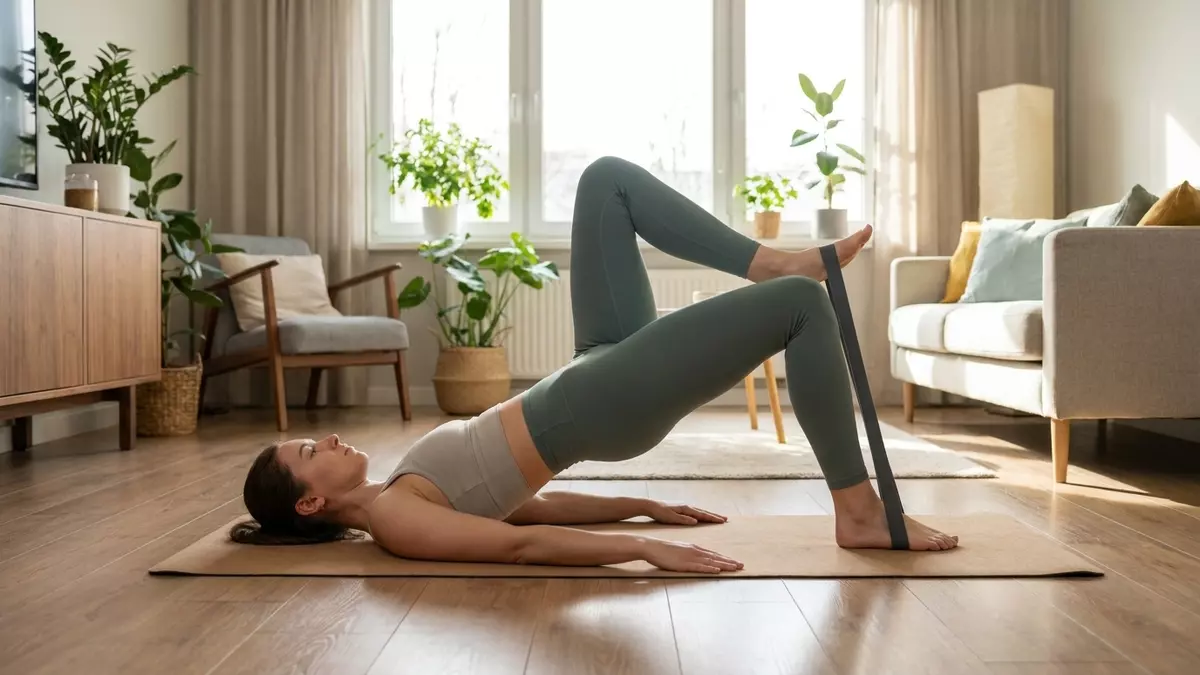
- 3.2. 2. Shoulder Bridge Leg Pulls
- 3.3. 3. Standing Leg Pulls
- 4. How to Integrate This Into Your Routine
- 5. Frequently Asked Questions (FAQ)
- 5.1. 1. Can these exercises make my back pain worse?
- 5.2. 2. Do I need a resistance band?
- 5.3. 3. How often should I do these?
- 5.4. 4. How long until I feel a difference?
- 5.5. 5. I have a disc injury. Are these safe?
The Missing Link to Back Pain Relief: Why You Should Focus on “Pulling”
If your back constantly feels tight, stiff, or achy, you have likely spent countless hours stretching your hamstrings or doing traditional abdominal crunches. While these are common approaches, Pilates instructor Gemma Folkard suggests that most of us are missing a vital component of spinal health: lower-body pull exercises.
While we often focus on “pushing” motions—like squats, lunges, or leg presses—we frequently neglect the posterior chain, the powerful network of muscles running down the back of the body, including the glutes, hamstrings, and the deep stabilizers of the lower back. Strengthening these “pulling” muscles is often the secret to lasting relief.
The Missing Link to Back Pain Relief Why You Should Focus on Pulling
Why Your Back Needs “Pull” More Than “Push”
The muscles of the posterior chain are designed to act as a support system for your spine. When these muscles are weak, or when we spend too much time sitting—which can lead to tight, overactive hip flexors—the muscles around the lumbar spine are forced to compensate. They become overworked and strained, leading to chronic discomfort.

Lower-body pull exercises re-educate your body. They shift the workload away from the sensitive lower back and place it back onto the large, powerful glutes and hamstrings. This transition doesn’t just alleviate current pain; it creates a balanced foundation that keeps your spine correctly aligned during every movement you make throughout the day.
The Benefits of Posterior Chain Strength
When you incorporate pull-focused training into your routine, you aren’t just fixing a “back problem.” You are improving your entire physical baseline:
Improved Posture: By strengthening the glutes and lower back, you naturally encourage a more upright, neutral spine.
Reduced Lumbar Pressure: When the hips and glutes do their job, your lower back doesn’t have to bear the brunt of your body weight.
Enhanced Mobility: These exercises encourage dynamic motion through the pelvis and hips, making everyday tasks—like walking or standing up from a chair—feel fluid rather than labored.
Correction of Imbalances: Many of us suffer from “quad-dominance” caused by desk work. Pull exercises correct this by engaging the neglected back-side muscles.

3 Pilates-Inspired Pull Exercises to Try at Home
You don’t need a gym to get started. These movements require nothing more than a resistance band (or just your own controlled movement) and a flat space on the floor.
1. Supine Leg Pulls
Lie on your back with a resistance band looped around your feet. With your knees bent at 90 degrees, bring them over your hips. Slowly extend one leg outward while resisting the band, then pull it back in with control. This focuses on the hamstring and deep core synchronization.
2. Shoulder Bridge Leg Pulls
Start in a bridge position with your knees bent and feet flat on the floor. With the band around your feet, lift your hips off the ground. While holding the bridge, pull one knee toward your chest against the tension of the band, then return it. This forces the glutes to fire to maintain the bridge while the hamstrings handle the pulling motion.
3. Standing Leg Pulls
Stand tall to engage your balance. With the band around your feet, slowly pull one knee toward your body, pause for a moment to feel the engagement in the hip flexor and deep core, then lower it steadily. This helps you find stability in a vertical position, which is essential for alleviating back pain while walking.
How to Integrate This Into Your Routine
The key here is not intensity; it is precision. Start with small, controlled movements. You want to feel your glutes and hamstrings working—not your lower back. If you feel your back “pinching” or straining, reduce the tension of the band or decrease your range of motion until you can maintain a neutral spine.
By adding these small, deliberate movements to your week, you are doing more than just stretching a sore spot. You are building a stronger, more supported back that can handle the stresses of daily life without the nagging ache that holds you back.
Frequently Asked Questions (FAQ)
1. Can these exercises make my back pain worse?
If performed with poor form, any exercise can irritate an existing issue. Ensure your spine remains in a neutral position and that you are “pulling” with your glutes and hamstrings. If you experience sharp, shooting pain, stop immediately and consult a physical therapist.
2. Do I need a resistance band?
While a band adds helpful tension that mimics the “pull,” you can perform these movements using just your body weight to focus on control and mind-muscle connection. Once you master the technique, you can add a band for a challenge.
3. How often should I do these?
Because these are stabilizing and corrective exercises, you can perform them as frequently as 3–4 times per week. They are excellent as a warm-up before a longer walk or as a standalone daily routine to wake up the posterior chain.
4. How long until I feel a difference?
Many people notice a sense of “looseness” or reduced tension almost immediately after performing these, as they help counteract the stiffness of sitting. Building permanent strength and postural correction, however, typically takes a few weeks of consistent practice.
5. I have a disc injury. Are these safe?
If you have a diagnosed medical condition like a herniated disc, you must speak with your doctor or physical therapist before attempting these. They can tell you exactly which range of motion is safe for your specific injury.