
Table of Contents
**The Psychology Behind Walking With Hands Behind Your Back**
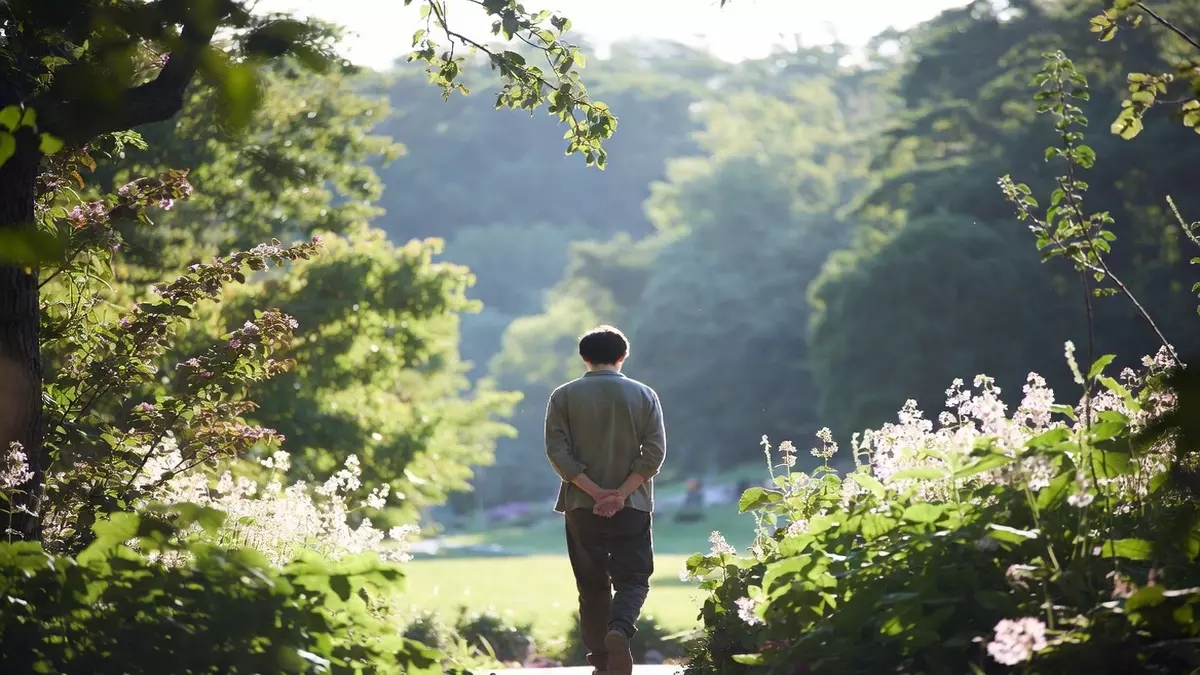
Have you ever noticed yourself or someone else strolling along with hands clasped behind the back, moving at an unhurried pace? This common posture appears in parks, quiet neighborhoods, museum halls, and school corridors. Far from being just an old-fashioned habit or attempt to look serious, it often reflects a natural way the body supports clearer thinking and inner calm.
Psychology and body language research show this position can help create mental space during movement. While it doesn’t reveal deep personality secrets, it frequently signals reflection, composure, and a desire to process thoughts without distraction. Understanding the science behind it offers practical insights for anyone seeking better focus and emotional balance in daily life.
The Psychology Behind Walking With Hands Behind Your Back

### Why This Walking Posture Feels Natural
Walking with your hands behind your back removes the hands from their typical active role in front of the body. Most of the time, our hands gesture, check phones, or fidget as we move through the day. By gently clasping them behind you, the posture naturally slows your rhythm and reduces unnecessary movements.
This shift often promotes introspection. Without constant hand motion in your visual field, the mind experiences less sensory noise. Many people report that this position helps them think more deliberately, similar to pacing while considering an important decision. It creates a subtle pause that allows thoughts to settle rather than race.

In observational settings like art galleries or gardens, this stance frequently appears among people deeply engaged with their surroundings. Teachers, researchers, and experienced walkers often adopt it while observing thoughtfully. However, context changes everything— the same posture might appear more reserved or protective during stressful situations. Reading the full picture, including facial expressions and environment, matters more than isolating one gesture.
### The Science of Walking and Creative Thinking
The real power may come from the combination of walking and this calming arm position. A notable Stanford University study found that walking increases creative output by an average of 60% compared to sitting. Researchers conducted multiple experiments, testing both indoor and outdoor walking, and discovered the physical act itself drives much of the benefit.

In one key experiment, participants showed significantly higher performance on tasks requiring divergent thinking—the ability to generate multiple creative ideas. While sitting produced creative boosts for only about 23% of people on certain tasks, walking helped 81% become more innovative on alternate uses exercises. These findings highlight how movement supports idea flow.
Pairing a slower walk with hands behind the back can enhance this effect. The posture minimizes distractions from hand movements, potentially acting like a mental reset button. As your body settles into a comfortable, upright rhythm, your mind gains freedom to explore thoughts more openly. This explains why many creative professionals and problem-solvers instinctively use this style during thoughtful strolls.
### How Posture Influences Mood and Emotions
Body position plays a meaningful role in emotional regulation. Research from VU Amsterdam demonstrated connections between posture and mood recovery. In studies involving hundreds of participants, those with stooped or slumped positions showed slower recovery from negative moods and experienced more persistent negative thoughts compared to those maintaining upright postures.
While no single position magically solves stress, small adjustments can make a difference. Walking with hands behind the back typically encourages a straighter torso and more measured steps. This alignment often promotes feelings of groundedness and composure. It may help dial down mental chatter, much like taking a deep breath before responding in a challenging conversation.
The brain constantly monitors body positioning. Even small changes in how we hold ourselves feed back into our emotional state. This mind-body connection explains why a calm, intentional walk often leaves people feeling more centered than rushed movement or static sitting.
### What Brain Research Reveals About Hand Position
Specific studies have examined how arm placement affects attention. A 2012 paper published in *Experimental Brain Research* explored tactile attention in the space behind the body. Participants showed differences in awareness depending on whether their hands were positioned close together or farther apart while behind their backs.
These findings don’t suggest the posture signals special traits like wisdom or confidence. Instead, they confirm the brain actively tracks body configuration as part of the thinking process. Our physical form doesn’t just transport the mind—it participates in cognition. Placing hands behind the back creates a different attentional landscape that some people find supportive for reflection.
### Important Caution: Body Language Isn’t a Secret Code
Modern psychological research warns against oversimplifying body language. A 2023 review in *Perspectives on Psychological Science* highlighted misconceptions about easily decoding thoughts through single gestures. One posture can communicate many different things depending on the person and situation.
Hands behind the back might indicate calm reflection for one walker. For another, it could simply mean they’re cold, easing shoulder tension, following a cultural or professional habit, or preventing nervous fidgeting. Military personnel, older adults, and people with certain physical preferences often use this stance naturally.
Always consider the broader context: pace, setting, cultural background, and accompanying expressions provide better clues than any single pose. This thoughtful approach avoids jumping to inaccurate conclusions about someone’s mindset.
### Practical Ways to Try This Walking Habit
Incorporating this posture doesn’t require forcing anything unnatural. Next time your mind feels cluttered, step outside for a short, easy-paced walk. Loosely clasp your hands behind your back and see how it affects your experience. Many people notice they breathe more deeply, move more deliberately, and think with greater clarity.
Start with just five or ten minutes. Focus on comfort rather than perfection. If shoulder mobility or balance presents challenges, modify as needed—perhaps keeping hands lightly clasped or trying variations that feel supportive. The goal is gentle exploration, not rigid performance.
For those who enjoy it, this habit can become a reliable tool for mental resets during busy days. Whether processing work challenges, personal decisions, or simply unwinding, the combination of movement and relaxed arm position offers accessible support for wellbeing.
### Additional Benefits of Mindful Walking Practices
Beyond the hands-behind-back position, regular walking delivers proven advantages for mental and physical health. It supports cardiovascular fitness, improves sleep quality, and reduces symptoms of anxiety and depression according to numerous health studies. When paired with intentional postures, these benefits can compound.
Many mindfulness traditions incorporate walking meditation, emphasizing present-moment awareness during movement. The hands-behind-back style naturally aligns with this by encouraging slower, more observant pacing. In today’s fast-paced world filled with digital distractions, such practices help restore mental balance.
Parents, professionals, students, and retirees alike can benefit. Imagine a busy executive using a lunchtime stroll to gain perspective, or a grandparent enjoying peaceful park time with grandchildren. The posture adapts beautifully across life stages.
### Understanding Cultural and Historical Context
This walking style has appeared across cultures and generations. Historical images often show philosophers, scientists, and leaders in thoughtful contemplation using similar stances. While modern interpretations focus on psychology, the habit likely emerged organically as people discovered what helped them think and feel better during movement.
Today, it transcends demographics. You’ll spot it among diverse groups because it feels inherently comfortable for many body types during unhurried walks. Recognizing these universal elements makes the practice more approachable for everyone.
**Conclusion**
Walking with hands behind your back represents more than simple habit—it’s a gentle expression of the body’s wisdom in supporting mental clarity. By reducing distractions, encouraging upright posture, and aligning with walking’s natural creativity boost, this position helps many people access calmer, more reflective states of mind.
The science underscores what many instinctively know: small physical adjustments can meaningfully influence how we think and feel. While not a universal solution or personality indicator, this familiar posture offers a modest, accessible way to create mental space in daily life.
Next time you feel overwhelmed, consider stepping out for a quiet walk. Let your hands rest comfortably behind you and notice what shifts. In our busy world, these small moments of intentional movement provide valuable opportunities for reflection and renewal. Your mind—and body—will often thank you for the pause.
### FAQ: Walking With Hands Behind Your Back
**Is walking with hands behind your back a sign of confidence?**
It can appear confident or authoritative in certain contexts, such as when someone is observing thoughtfully. However, it more commonly signals relaxation or reflection rather than a fixed personality trait. Context always matters.
**Does this posture have health benefits?**
Yes, indirectly. It often promotes better posture and slower pacing, which can reduce stress and support clearer thinking. Combined with walking’s proven benefits for creativity and mood, it offers gentle support for mental wellbeing.
**Why do older people often walk this way?**
Many find it comfortable for balance, shoulder relief, or simply because it feels natural during contemplative movement. It may also stem from lifelong habits developed in professional or cultural settings.
**Can this walking style improve problem-solving?**
Potentially, by creating conditions for better focus and divergent thinking. Stanford research on walking’s creativity boost suggests the overall practice helps generate ideas, while the posture may minimize distractions.
**Is it bad to walk with hands behind your back?**
Generally no, when done comfortably. Listen to your body—if it causes strain, adjust. Most people find it a neutral or positive habit that supports calm reflection without negative effects.
**How long should I try this posture during walks?**
Start with short periods of 5-15 minutes. There’s no fixed rule—use it when it feels helpful for thinking or unwinding. Comfort and natural movement should guide your approach.