
Table of Contents
- 1. The Biological Science Behind the Alfalfa Secret
- 1.1. A High-Performance Nitrogen Profile
- 1.2. Essential Micronutrients
- 1.3. Triacontanol: The Secret Growth Catalyst
- 2. Why Alfalfa Pellets Outperform Synthetic Chemicals
- 3. Four Easy Methods to Apply Alfalfa Pellets in Your Garden
- 3.1. 1. Spring Soil Amendment
- 3.2. 2. Slow-Release Mulch Booster
- 3.3. 3. All-Natural Compost Accelerator
- 3.4. 4. Nutritious Alfalfa Compost Tea
- 4. Garden Favorites: The Plants That Crave Alfalfa Most
- 5. Critical Shopping Tips and Cautions for Best Results
- 6. Frequently Asked Questions
- 6.1. Will using rabbit food attract pests like mice or rats to my garden?
- 6.2. Can I use alfalfa pellets in small indoor potted plants or containers?
- 6.3. How often should I apply alfalfa pellets to my garden beds?
- 6.4. Does alfalfa alter the overall acidity or pH of my garden soil?
- 6.5. Where is the best place to purchase pure alfalfa pellets?
Why Alfalfa Pellets Give Home Gardeners Better Plant Growth
If you walked into a local farm supply store and bought a massive bag of rabbit food exclusively for your backyard raised beds, onlookers might look at you with confusion. Yet, seasoned horticulturists are increasingly bypassing the commercial chemical aisle entirely, heading straight for the livestock feed section.
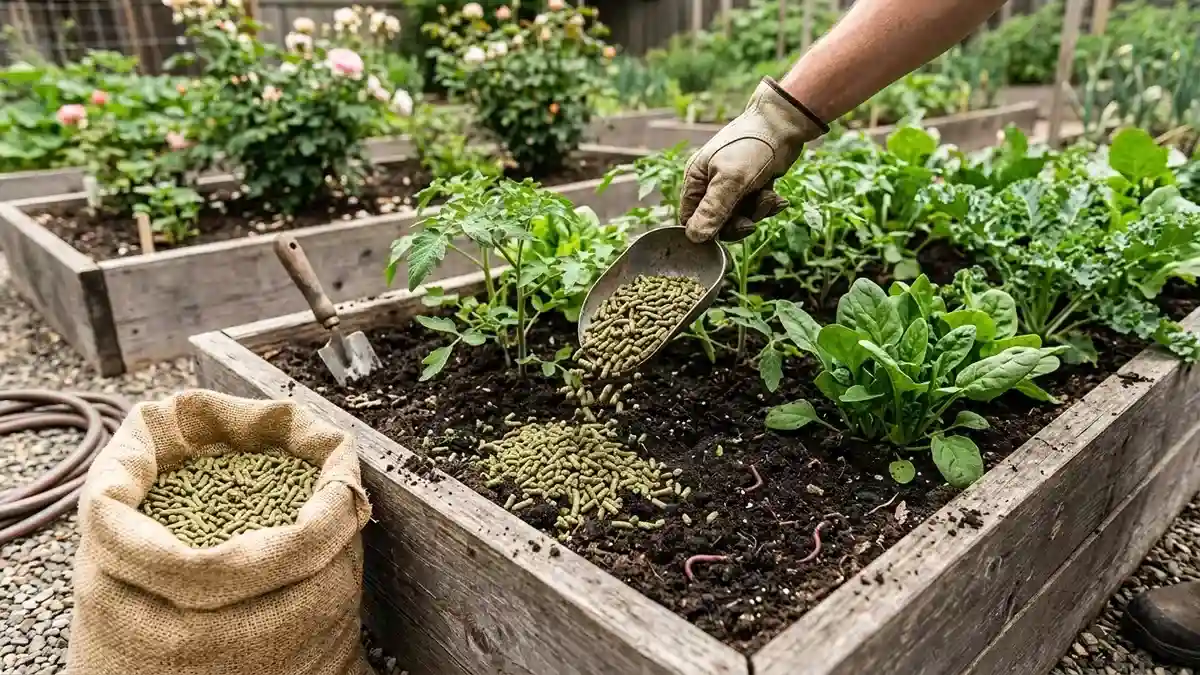
The secret weapon they are purchasing is plain alfalfa pellets. These dense, compacted green nuggets are traditionally compressed to feed rabbits, horses, and other livestock. However, beneath their unassuming exterior lies a concentrated powerhouse of plant-boosting nutrition. When introduced to garden soil, these pellets act as a completely natural, ultra-gentle, slow-release multivitamin that feeds the soil microbiome, accelerates composting, and triggers explosive plant development.
Why Alfalfa Pellets Give Home Gardeners Better Plant Growth
The Biological Science Behind the Alfalfa Secret
Alfalfa (Medicago sativa) belongs to the Fabaceae family, commonly known as legumes. Legumes possess a unique evolutionary superpower: they form symbiotic relationships with specialized soil bacteria that pull atmospheric nitrogen out of the air and fix it directly into the plant’s cellular tissues.
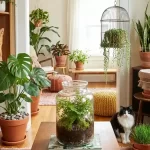
When whole alfalfa hay is dried, ground, and compressed into uniform rabbit pellets, it retains this intense concentration of organic material.
A High-Performance Nitrogen Profile
Nitrogen is the ultimate driver of vegetative plant growth, acting as the primary fuel source for chlorophyll production, photosynthesis, and vibrant green leaf expansion. By weight, plain alfalfa pellets contain roughly 2.5% to 3% pure organic nitrogen. This concentration routinely outperforms many popular, expensive store-bought organic fertilizers, making it an exceptional cure for pale, yellowing, or structurally stunted garden vegetables.
Essential Micronutrients
Beyond basic nitrogen, phosphorus (for structural root establishment and budding), and potassium (for cellular disease resistance), alfalfa pellets deliver a vital dose of trace minerals. Every pellet introduces slow-release calcium, magnesium, and sulfur directly into the soil food web. These micronutrients reinforce cell wall integrity and optimize metabolic enzyme functions within your plants.
Triacontanol: The Secret Growth Catalyst
What truly sets alfalfa apart from any other standard green manure or compost is a powerful, naturally occurring plant hormone called triacontanol. This fatty alcohol forms a protective, waxy coating over the leaves of the living alfalfa plant.
When released into the soil, triacontanol acts as a massive metabolic booster. It directly stimulates cellular photosynthesis, causes rapid root mass expansion, maximizes bloom creation, and has been proven to enhance fruit size and overall sugar brix content. It is the biological reason why sluggish, underperforming plants suddenly burst with new buds and lush foliage shortly after an alfalfa application.
Why Alfalfa Pellets Outperform Synthetic Chemicals
The fatal flaw of commercial synthetic fertilizers is that they are highly water-soluble chemical salts. When poured onto a garden, they deliver a massive, sudden spike of nutrients that can shock sensitive root zones, alter soil pH, and chemically burn tender plants. Furthermore, these synthetic chemicals completely bypass the soil biology, eventually leaching past the roots into local groundwater systems.
Alfalfa pellets offer a completely different, regenerative approach:
| Fertilizer Feature | Synthetic Chemical Fertilizers | Natural Alfalfa Pellets |
| Nutrient Release Rate | Instantaneous spike; rapid depletion | Slow, uniform release over weeks |
| Root Scorch Risk | High (Highly concentrated chemical salts) | Non-existent (Extremely gentle and forgiving) |
| Soil Microbe Impact | Can degrade and sterilize soil biology | Feeds beneficial bacteria and mycorrhizal fungi |
| Physical Soil Structure | Does nothing to improve tilth or texture | Adds vital organic matter to loosen earth |
Because the organic nutrients are locked securely inside the plant fibers, they rely on local soil microbes to slowly break them down. This gradual decomposition ensures a steady, ongoing stream of food for both your active plants and the underground ecosystem.
Four Easy Methods to Apply Alfalfa Pellets in Your Garden
Integrating this livestock staple into your seasonal gardening routine requires no specialized equipment or complex procedures.
1. Spring Soil Amendment
When prepping your raised beds or traditional rows for spring planting, use alfalfa pellets to build up the base soil structure. After turning over the earth and clearing out winter weeds, scatter roughly two to three cups of pellets across every 10 square feet of growing space. Lightly rake the nuggets into the top few inches of topsoil.
As soon as spring rains or irrigation hit the bed, the compressed pellets will absorb moisture, swelling to multiple times their original size before melting down into a loose, fluffy, compost-like layer that earthworms absolutely crave.
2. Slow-Release Mulch Booster
For established perennial borders, berry bushes, and ornamental shrubs, alfalfa works beautifully as a top-dressed mulch accent. Sprinkle a small handful of pellets directly around the base of individual plants.
[Scatter Pellets Around Drip Line] ──> Apply Regular Irrigation ──> Pellets Swell & Melt ──> Feeds Earthworms
Always maintain a 2- to 3-inch clearance space around the main stem or crown of the plant to prevent moisture collection. Over the subsequent weeks, the pellets will gradually dissolve into the topsoil, acting as a direct feeding station for beneficial local fungi and surface microbes.
3. All-Natural Compost Accelerator
If you manage a backyard compost pile and notice the decomposition process has ground to a cold, sluggish halt, alfalfa pellets are an incredible diagnostic fix. Cold piles are almost always caused by an excess of carbon-heavy “brown” items, such as dried autumn leaves, sawdust, or shredded cardboard.
Tossing a few generous scoops of alfalfa pellets into the layers acts as a powerful green activator. The intense nitrogen infusion feeds the thermophilic bacteria, rapidly driving up internal core temperatures, neutralizing foul odors, and accelerating the breakdown of stubborn woody fibers.
4. Nutritious Alfalfa Compost Tea
To rescue a plant suffering from severe transplant shock, drought stress, or early-season pest damage, you can brew a liquid health tonic.
Add one cup of plain alfalfa pellets directly into a 5-gallon bucket filled with clean water. Let the mixture steep in a warm, shaded outdoor area for 48 hours, stirring the slurry occasionally. By the second day, the pellets will have fully dissolved into a cloudy, earthy-smelling liquid packed with gentle nitrates and active triacontanol hormones. Use this liquid to drench the root zones of heavy-feeding vegetables like tomatoes and peppers for an immediate, risk-free biological lift.
Garden Favorites: The Plants That Crave Alfalfa Most
While any landscape will benefit from a healthier soil profile, certain garden varieties are uniquely responsive to the chemical compounds hidden inside alfalfa:
Roses: Roses are notorious heavy-feeders that require massive amounts of nutrition to sustain repeat blooms. The triacontanol inside alfalfa stimulates basal breaks (new cane growth) and can easily double the overall flower output of a struggling rose bush within a single season.
Nightshades (Tomatoes & Peppers): Tomatoes thrive on the slow, unhurried release of nitrogen, building sturdy, thick central stalks capable of supporting heavy fruit loads without experiencing the sudden vegetative growth spurts that invite blossom-end rot.
Leafy Greens: Spinach, kale, Swiss chard, and premium lettuce mixes respond to alfalfa with deep, dark green pigment development and faster leaf turnover rates.
Critical Shopping Tips and Cautions for Best Results
Before rushing out to buy a bag of feed, it is absolutely vital to read the ingredient label. Look exclusively for 100% pure, plain alfalfa pellets.
Many brands of commercial rabbit food or livestock feed include additive ingredients designed for animal health, such as cane molasses, binders, salt blocks, synthetic mineral fortifications, or medications. While excellent for a pet bunny, these extra ingredients can introduce excess salt into your growing medium, crust the soil surface, or disrupt the delicate balance of your native soil biology. Keep it completely pure, irrigate thoroughly after application to prevent clumping, and let natural biology transform this humble animal feed into your garden’s greatest asset.
Frequently Asked Questions
Will using rabbit food attract pests like mice or rats to my garden?
If left in large, dry clumps on top of bare soil, un-watered alfalfa pellets can potentially attract curious rodents. To completely prevent this, always work the pellets lightly into the top layer of soil and apply a thorough watering immediately. Once the pellets absorb water, they rapidly swell, disintegrate, and blend seamlessly into the earth, losing their appeal to rodents while remaining highly attractive to earthworms.
Can I use alfalfa pellets in small indoor potted plants or containers?
Yes, but you must use extreme caution with quantities. Because containers have a strictly confined volume of soil, over-applying pellets can cause them to swell into a thick, dense mat that blocks water drainage. For potted plants, it is highly recommended to deliver the nutrients safely via an strained batch of liquid alfalfa compost tea.
How often should I apply alfalfa pellets to my garden beds?
For standard vegetable gardens and raised beds, a generous application during early spring soil prep is usually more than enough to sustain your plants through mid-season. For exceptionally heavy-feeding perennials like roses, you can safely apply a secondary, light top-dressing around the drip line in early summer to stimulate a massive autumn bloom cycle.
Does alfalfa alter the overall acidity or pH of my garden soil?
Alfalfa pellets are virtually neutral to slightly acidic, meaning they will not cause dramatic, volatile shifts in your existing soil pH. They are completely safe to use around standard garden vegetables, as well as acid-loving perennials like blueberries and hydrangeas.
Where is the best place to purchase pure alfalfa pellets?
The most cost-effective place to buy alfalfa pellets is at a local agricultural cooperative, farm supply store, or livestock feed merchant. Purchasing them in large 40- or 50-pound livestock sacks is significantly cheaper pound-for-pound than buying small, highly marked-up specialty boxes marketed specifically for small household pets.