
Table of Contents
Baking Soda Overuse Damages Houseplants
Houseplant enthusiasts often search for simple kitchen remedies to tackle common issues like powdery mildew or funky soil smells. Baking soda frequently tops the list of suggested fixes in social media groups and gardening forums. While this pantry staple offers limited benefits in specific scenarios, many gardeners overestimate its power and underestimate the potential harm to their indoor greenery.
Baking soda can serve as a helpful tool for targeted plant problems, but it is far from a miracle cure. Understanding its chemistry helps explain why careful, occasional use might help some situations while routine application often creates bigger headaches for potted plants.
Baking Soda Overuse Damages Houseplants
What Baking Soda Does to Houseplants
Baking soda, or sodium bicarbonate, acts as a mild alkaline compound. When mixed with water and applied to foliage or soil surfaces, it temporarily shifts pH levels higher and adds sodium ions to the environment. This surface-level change disrupts conditions that certain fungi prefer, which explains its occasional effectiveness.
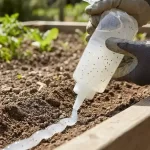
However, the same properties that provide short-term relief also introduce risks. Indoor containers lack the natural flushing action of rainfall, so sodium builds up faster around delicate root systems. Over time, this salt accumulation interferes with the plant’s ability to absorb water and essential nutrients, leading to stress that shows up gradually.
Baking soda does not function as a fertilizer or growth booster. It works strictly through external chemistry adjustments rather than nourishing the plant from within. This distinction matters for anyone hoping to strengthen their indoor garden without causing unintended setbacks.
Best Uses for Baking Soda on Indoor Plants
**Tackling Powdery Mildew on Foliage**
Powdery mildew ranks among the most common issues for houseplants, appearing as a dusty white layer on leaves in humid, stagnant conditions. A lightly diluted baking soda spray can raise leaf surface pH enough to inhibit fungal spore germination and slow spread. This approach works most effectively during early stages before the coating thickens or distorts new growth.
For best results, apply the spray in the morning so leaves dry thoroughly. Focus only on affected areas rather than treating the entire plant. This method buys time while you address underlying causes like poor air circulation or overcrowding.
**Managing Surface Mold on Potting Mix**
Damp indoor soil often develops a thin layer of mold or fuzzy fungal growth on top. This usually signals excessive moisture and insufficient oxygen. A gentle baking soda solution can temporarily suppress this surface activity by altering the top layer’s chemistry.
View this as a bridge solution only. Long-term success depends on fixing watering routines, adding better drainage materials, or repositioning plants for stronger light. Relying solely on baking soda without environmental improvements allows problems to return stronger.
**Neutralizing Unpleasant Soil Odors**
Sour or musty smells from pots indicate anaerobic bacteria thriving in overly wet conditions. Baking soda can help neutralize these odors by balancing surface chemistry temporarily. This gives gardeners a window to improve airflow and let soil dry appropriately between waterings.
Important caveat: if roots already show signs of rot, baking soda merely hides symptoms. It cannot repair damaged root systems or restore plant health on its own.
**Mild Support Against Soft-Bodied Pests**
Some growers combine very diluted baking soda with a drop of gentle soap to discourage early aphid activity. The mixture creates an inhospitable surface for soft-bodied insects without replacing proper pest management practices like isolation and mechanical removal.
This approach offers minor deterrence at best and shows little impact on established infestations. Consistent monitoring and good cultural practices remain the foundation of pest control.
### Safe Application Guidelines for Houseplants
Always start with a conservative mixture: roughly half a teaspoon of baking soda per quart of room-temperature water. Add just one small drop of mild liquid soap if needed to improve coverage on waxy leaves. Test on a single leaf first and wait 24 hours to check for adverse reactions.
Apply sparingly in the morning, allowing plenty of drying time before evening. Limit treatments to once every 10-14 days, and stop after one or two applications if no improvement appears. Never sprinkle dry baking soda on soil or use it as a regular soil amendment, as this accelerates salt buildup.
### Houseplants That Handle Baking Soda Better
Certain resilient species cope with occasional mild applications due to their sturdy leaf structures. Snake plants, ZZ plants, pothos, spider plants, and rubber plants generally tolerate the treatment when used infrequently and at proper dilutions. Their thicker, waxy foliage provides some natural protection against minor pH shifts and residue.
These plants often thrive in varied indoor conditions, making them more forgiving of small chemical interventions compared to delicate varieties.
### Houseplants Sensitive to Baking Soda
Many popular indoor plants prefer consistently acidic soil conditions and react poorly to pH changes. Peace lilies, ferns, orchids, African violets, calatheas, and begonias fall into this category. Even slight alkalinity shifts can lock up nutrients and stress their root systems.
Plants featuring thin, fuzzy, or highly permeable leaves also struggle. Residue from sprays can clog stomata, interfering with normal gas exchange and photosynthesis. Seedlings and recently repotted plants deserve extra caution because their developing roots have less tolerance for salt accumulation.
### Recognizing When Baking Soda Causes Harm
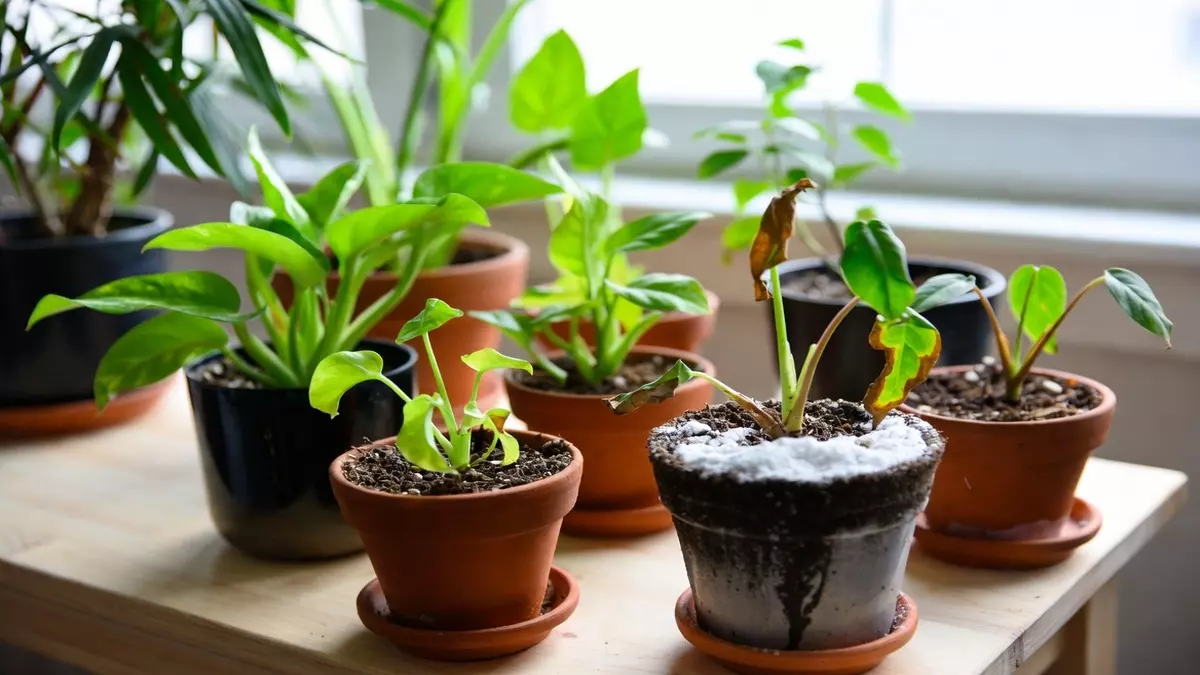
Negative effects often develop slowly rather than appearing overnight. Watch for yellowing or browning along leaf edges, particularly on older foliage. Stunted growth despite proper lighting and watering serves as another red flag. A crusty white buildup on soil surfaces signals dangerous salt levels.
Leaves may also lose their natural sheen and become stiff or unusually droopy. When these symptoms appear, immediately flush the potting mix thoroughly with clean water multiple times to remove excess salts. Hold off on any further baking soda applications and focus on restoring balanced care.
### Common Mistakes Gardeners Make
The top error involves treating baking soda like an all-purpose plant tonic instead of a specialized remedy. Many enthusiasts apply it too frequently, assuming “natural” automatically means safe. Others ignore core growing conditions like proper drainage and airflow while depending on the remedy to fix symptoms.
Combining baking soda with other homemade mixtures without understanding potential reactions can amplify problems. Always prioritize prevention through good plant care over reactive treatments.
### The Bigger Picture for Healthy Indoor Gardens
Successful houseplant care centers on matching plants with appropriate environments rather than searching for quick chemical fixes. Factors like proper pot size, quality potting mix, adequate light, and consistent watering habits create the foundation for thriving greenery. Baking soda might offer occasional support for specific surface issues, but it cannot replace these fundamentals.
Modern indoor gardening trends emphasize sustainable, balanced approaches. Understanding each remedy’s limitations helps gardeners make informed decisions that protect their plants long-term rather than creating new challenges through overuse.
**Conclusion**
Baking soda represents a double-edged tool for indoor plant enthusiasts. In carefully controlled, infrequent applications, it can provide meaningful help against early fungal issues or minor surface problems. Yet its sodium content and pH-altering properties make it risky when used casually or as a routine treatment.
The most effective gardeners combine targeted remedies with strong cultural practices, always observing their plants closely for responses. By approaching baking soda with informed caution rather than enthusiasm for miracle solutions, you can maintain a healthier, more resilient indoor garden. Focus on prevention, monitor conditions regularly, and remember that the best plant care comes from knowledge and patience rather than pantry shortcuts.
### FAQ: Baking Soda for Indoor Plants
**1. Is baking soda safe for all houseplants?**
No. While some sturdy plants like snake plants tolerate it well, acid-loving and delicate species such as ferns, orchids, and African violets often suffer negative effects from the pH shift and sodium buildup.
**2. How often can I spray baking soda on my plants?**
Limit applications to once every 10-14 days at most, and only for short periods. Overuse quickly leads to salt accumulation in container soil, which indoor plants cannot easily escape.
**3. Does baking soda help with fungus gnats?**
It offers very limited indirect help by addressing surface mold that sometimes accompanies gnat problems. However, reducing soil moisture and using proper sticky traps or beneficial nematodes proves far more effective.
**4. Can baking soda replace fungicides for powdery mildew?**
It works as a mild preventive or early intervention but cannot cure advanced infections. Severe cases usually require removing affected growth and improving environmental conditions alongside any spray treatment.
**5. What should I do if baking soda damages my plant?**
Flush the soil thoroughly with plain water several times over a few days to leach out excess salts. Then return to standard care routines and monitor recovery closely. Avoid all alkaline treatments during this period.
**6. Is there a better natural alternative to baking soda for mildew?**
Many gardeners prefer neem oil sprays or diluted hydrogen peroxide solutions for fungal issues. These options often provide broader protection with fewer risks of salt buildup in indoor settings.
This balanced approach to using common household items helps create thriving indoor plant collections while avoiding common pitfalls that can harm beloved greenery.