
Table of Contents
- 1. The Hidden Danger: Why Parasites Threaten Your Flock
- 2. 6 Powerful Natural Dewormers for a Vibrant Flock
- 2.1. 1. Garlic: Nature’s Broad-Spectrum Gut Protector
- 2.2. 2. Raw Apple Cider Vinegar: Optimizing Digestive pH
- 2.3. 3. Raw Pumpkin Seeds: The Cucurbitacin Defense
- 2.4. 4. Antimicrobial Garden Herbs
- 2.5. 5. Food-Grade Diatomaceous Earth: Mechanical Control
- 2.6. 6. Cayenne Pepper: Boosting Metabolic Resilience
- 3. Constructing a Gentle Monthly Rotation Schedule
- 4. Biosecurity and Coop Hygiene: Half the Battle
- 4.1. Maintain Bone-Dry Bedding
- 4.2. Pasture Rotation and Dust Baths
- 5. Understanding the Limits: When to Call the Vet
- 5.1. The Value of a Fecal Float Test
- 6. Frequently Asked Questions
- 6.1. Can humans catch worms from keeping or handling chickens?
- 6.2. Is there an egg withdrawal period when using natural dewormers?
- 6.3. How often should I perform a natural deworming routine?
- 6.4. Why shouldn’t I use apple cider vinegar in a metal chicken waterer?
- 6.5. Can I give my chickens cooked pumpkin seeds instead of raw?
6 Natural Ways Backyard Chicken Owners Can Prevent Deadly Parasites
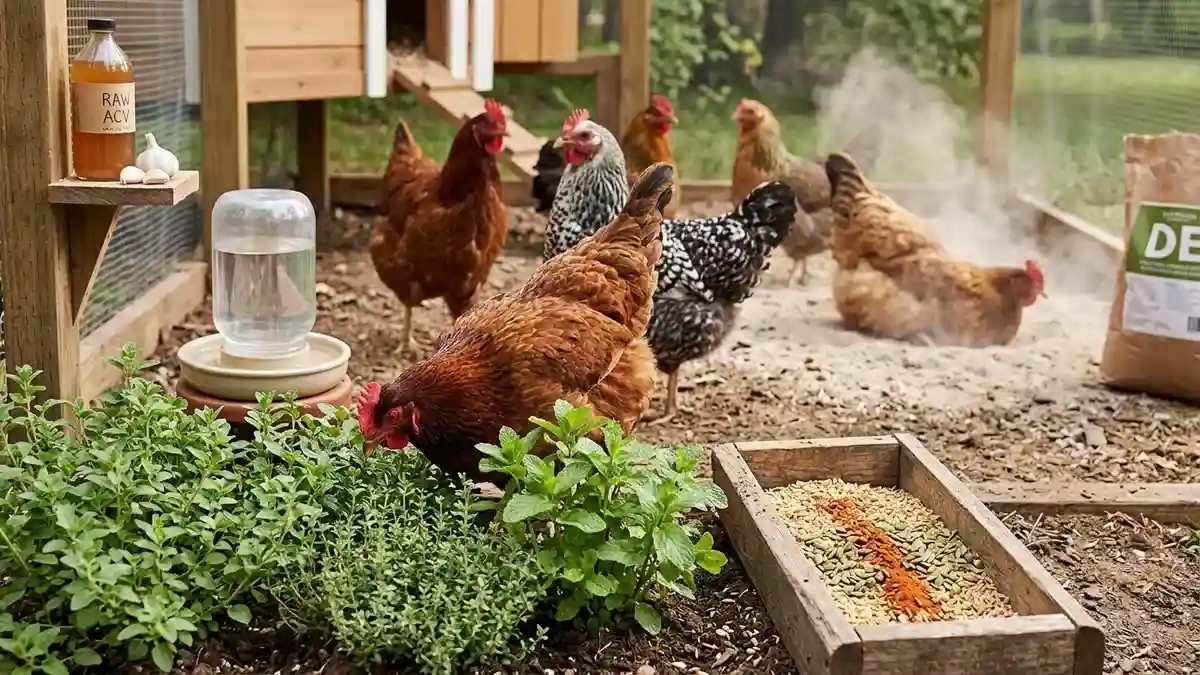
Raising a backyard flock of chickens is one of the most rewarding aspects of sustainable homesteading. From providing fresh, nutrient-dense eggs to offering natural pest control in the garden, chickens quickly become a beloved part of daily life. However, maintaining a thriving flock requires proactive management of a hidden but pervasive threat: internal parasites.
Intestinal worms are an incredibly common reality in poultry management. Left unmanaged, these parasites silently sap the vitality of your birds, leading to weight loss, ragged feathers, plummeting egg production, and, in severe cases, preventable fatalities.
While chemical dewormers are readily available, many modern poultry keepers prefer a holistic, preventative approach to avian health. By leveraging natural ingredients, you can successfully fortify your chickens’ digestive tracts, minimize parasite pressure, and foster robust long-term immunity without relying entirely on synthetic medications.
6 Natural Ways Backyard Chicken Owners Can Prevent Deadly Parasites

The Hidden Danger: Why Parasites Threaten Your Flock
Chickens are natural foragers. They spend their waking hours scratching through topsoil, turning over leaf mulch, devouring insects, and exploring every corner of their run. While this behavior keeps them active and mentally stimulated, it also continuously exposes them to microscopic parasite eggs.
[Infected Chicken Droppings] ---> [Soil & Forage Material] ---> [Healthy Chicken Pecks Soil]
             ^                                                                 |
             |                                                                 v
     [Worms Mature in Gut] <--- [Eggs Hatch in Digestive Tract] <--- [Ingestion of Eggs]
When a chicken ingests soil or bugs contaminated with worm eggs, the parasites quickly colonize the digestive system. They attach to the intestinal walls or inhabit the cecum, actively absorbing the vitamins, minerals, and proteins that your birds need to stay healthy.
Identifying an internal worm issue can be difficult because you will rarely see adult worms in daily droppings. Instead, you must keep a sharp eye out for subtle, behavioral indicators of a parasitic burden:
Lethargic behavior and drooping wings
Pale, shrunken combs and wattles (indicating anemia)
Unexplained weight loss despite a normal or increased appetite
A sudden, sharp decline in egg laying frequency or thin, brittle shells
Chronic loose, watery, or abnormally frothy droppings
6 Powerful Natural Dewormers for a Vibrant Flock
Integrating natural remedies into your flock’s regular diet helps establish an unwelcoming, highly resilient environment inside their digestive tracts. Rather than waiting for a severe infestation to take hold, these six natural ingredients work systematically to keep parasite populations in check.
1. Garlic: Nature’s Broad-Spectrum Gut Protector
Garlic (Allium sativum) is a true powerhouse in the world of holistic animal care. Packed with allicin—a potent bioactive compound released when garlic is crushed—this aromatic bulb delivers exceptional antibacterial, antiviral, and anti-parasitic properties directly to your chickens’ digestive systems.
To use this remedy effectively, crush one to two fresh cloves of garlic per gallon of fresh drinking water. Allow the mixture to steep overnight to fully extract the beneficial compounds, then present the garlic water to your flock for three consecutive days. Repeating this protocol once every month serves as an excellent, low-cost baseline immune booster.
2. Raw Apple Cider Vinegar: Optimizing Digestive pH
Raw, organic, and unfiltered apple cider vinegar (ACV) containing “the mother” has been a staple of traditional farm medicine for generations. While ACV does not directly kill adult intestinal worms, it plays a vital role in shifting the internal pH of your chicken’s crop and gizzard.
The natural acetic acid slightly increases the acidity of the digestive tract, creating a hostile environment for parasites while simultaneously promoting the growth of beneficial gut bacteria (probiotics). Add one tablespoon of raw ACV per gallon of drinking water for three to five days each month.
Critical Safety Warning: Never use apple cider vinegar in galvanized metal waterers. The natural acid triggers a chemical reaction with the metal zinc coating, which can leach toxic heavy metals directly into your flock’s drinking supply. Always stick to heavy-duty plastic or ceramic watering vessels when administering ACV.
3. Raw Pumpkin Seeds: The Cucurbitacin Defense
Raw, unsalted pumpkin seeds are arguably the most famous traditional home remedy for managing internal poultry parasites. The seeds contain a unique amino acid compound called cucurbitacin. This natural chemical acts as a mild paralytic agent against certain types of intestinal worms, effectively immobilizing the parasites so they detach from the intestinal lining and are safely flushed out through normal droppings.
To prepare this remedy, process raw pumpkin seeds in a food processor or crush them manually using a mortar and pestle until they are broken into small, easily digestible pieces. Mix one to two tablespoons of the crushed seeds per bird directly into their daily feed or a warm grain mash. For an added palatability boost, combine the seeds with shredded raw carrots and a dollop of plain, unsweetened yogurt.
4. Antimicrobial Garden Herbs
Cultivating a small herb garden near your chicken coop provides a continuous supply of targeted, medicinal greens. Several aromatic herbs are highly prized for their ability to support optimal avian intestinal health:
Oregano: Widely recognized as a stellar natural antibiotic, oregano contains carvacrol and thymol, compounds that actively disrupt bad bacteria and parasitic activity in the gut.
Thyme: Rich in essential oils that help soothe inflammation along the intestinal walls while discouraging worm colonization.
Peppermint: Excellent for calming the avian digestive tract, improving nutrient absorption, and naturally repelling external pests like mites.
Wormwood: A highly potent traditional anti-parasitic herb. Because of its extreme strength, wormwood should only be offered in very small quantities and never for extended periods.
Finely chop these fresh herbs and scatter them directly into the coop’s nesting boxes, or mix them into the daily feed trough once or twice a week.
5. Food-Grade Diatomaceous Earth: Mechanical Control
Food-grade diatomaceous earth (DE) is a fine, chalky powder composed of the fossilized, silica-rich remains of prehistoric oceanic algae called diatoms. Under a microscope, these particles feature microscopic, razor-sharp edges. While completely harmless to human and avian skin, DE works mechanically on insects and small parasites by piercing their protective outer layers, causing them to rapidly dehydrate and die.
To use DE internally, thoroughly incorporate food-grade powder into your standard chicken feed at a ratio of two percent of the total feed weight (approximately 1.5 ounces of DE for every 5 pounds of feed).
When handling DE, always verify that the product label explicitly states “Food-Grade.” Never use industrial diatomaceous earth intended for swimming pool filtration systems, as it contains altered chemical structures that are highly toxic to animals. Additionally, always wear a protective mask during the mixing process to avoid breathing in the ultra-fine dust, which can irritate respiratory passages.
6. Cayenne Pepper: Boosting Metabolic Resilience
Cayenne pepper owes its signature fiery heat to a chemical compound called capsaicin. Interestingly, birds lack the specific heat receptors that mammals possess, meaning your chickens cannot taste the spicy heat of a hot pepper. They will happily gobble up cayenne-spiced feed without the slightest hint of discomfort.
Adding a light pinch of ground cayenne pepper (roughly a quarter-teaspoon per pound of feed) once a week helps stimulate internal circulation, fires up the digestive metabolism, and creates an inhospitable, warming environment for sluggish intestinal parasites. It is especially beneficial as a warming winter supplement.
Constructing a Gentle Monthly Rotation Schedule
To achieve maximum efficacy with natural remedies, it is best to avoid overwhelming your flock by introducing every treatment simultaneously. Instead, implement a structured, rhythmic monthly rotation that targets parasite prevention from multiple biological angles.
| Phase of the Month | Primary Natural Remedy | Implementation Method |
| Week 1: Immune Boost | Fresh Crushed Garlic | Blend 1-2 cloves per gallon of water for 3 consecutive days. |
| Week 2: Parasite Target | Raw Pumpkin Seed Mash | Grind seeds and mix with plain yogurt or shredded carrots as a treat. |
| Week 3: Digestive Soothing | Fresh Chopped Herbs | Scatter fresh oregano, thyme, and mint into feed bins or nesting boxes. |
| Week 4: Mechanical Sweep | Food-Grade DE | Thoroughly mix 2% by weight into dry scratch or layer feed. |
Biosecurity and Coop Hygiene: Half the Battle
No deworming regimen will succeed if your chickens are continuously re-infecting themselves within a dirty, damp environment. Parasite eggs thrive in humid, dark, and crowded conditions, making strict coop sanitation your absolute first line of defense.
Maintain Bone-Dry Bedding
Clean out wet, soiled bedding promptly, paying close attention to the high-traffic zones directly beneath the overnight roosting bars. If you utilize the deep litter method, turn the materials frequently with a pitchfork to ensure proper oxygenation, accelerate heat-producing composting, and dry out lingering worm eggs before they can hatch.
Pasture Rotation and Dust Baths
If space permits, periodically rotate your chickens’ outdoor runs or free-range zones. Moving your birds to fresh ground gives the vacated pasture time to dry out, allowing natural UV sunlight to sterilize the topsoil and kill off dormant parasite populations.
Additionally, always provide an accessible, dry dust bathing station filled with a clean mixture of dry playground sand, wood ash, topsoil, and a light sprinkling of food-grade diatomaceous earth.
Understanding the Limits: When to Call the Vet
While holistic preventative measures are incredibly effective at keeping healthy flocks in dynamic balance, they are not designed to eradicate advanced, clinical parasite infestations overnight. If you have a bird exhibiting severe symptoms—such as a completely white comb, extreme emaciation, or visible worms writhing inside their droppings—you must take immediate action.
The Value of a Fecal Float Test
Gather a fresh sample of your flock’s droppings and bring it to a local agricultural extension office or an avian veterinarian for a fecal float test. This simple, inexpensive laboratory test identifies the exact species and concentration of parasites currently plaguing your birds.
If the parasitic load is dangerously high, do not hesitate to administer a targeted, commercial veterinary dewormer to stabilize your flock. Think of synthetic treatments as an emergency tool to clear a life-threatening crisis. Once the immediate danger has passed and your birds have recovered their strength, you can safely return to your proactive, natural rotation schedule to keep future infestations permanently at bay.
Frequently Asked Questions
Can humans catch worms from keeping or handling chickens?
The vast majority of internal worms that infect chickens (such as cecal worms, gapeworms, and large roundworms) are highly species-specific. They cannot survive or mature inside the human body. However, always practice excellent hygiene by washing your hands thoroughly with warm soap and water after gathering eggs, cleaning the coop, or handling your birds.
Is there an egg withdrawal period when using natural dewormers?
One of the greatest advantages of utilizing natural methods like garlic, pumpkin seeds, apple cider vinegar, and culinary herbs is that there is zero egg withdrawal period. The eggs remain entirely safe, wholesome, and delicious for human consumption throughout the entire treatment cycle, unlike many harsh synthetic chemical dewormers.
How often should I perform a natural deworming routine?
Natural remedies function best as a continuous, preventative health cycle rather than a one-time treatment. Implementing the gentle weekly rotation schedule detailed in this guide allows you to safely maintain low parasite pressure throughout the year, adjusting dynamically for seasonal weather shifts.
Why shouldn’t I use apple cider vinegar in a metal chicken waterer?
Apple cider vinegar is naturally acidic. When placed in a galvanized metal container, the acid slowly eats away at the protective zinc coating on the metal surfaces. This chemical reaction causes toxic zinc and iron compounds to leach directly into the drinking water, putting your flock at serious risk of heavy metal poisoning.
Can I give my chickens cooked pumpkin seeds instead of raw?
To manage parasites effectively, you must always use raw, unsalted pumpkin seeds. Cooking or baking the seeds destroys the vital, temperature-sensitive amino acid compound cucurbitacin, which is the active mechanism responsible for paralyzing and expelling the intestinal worms.