
Table of Contents
- 1. The Truth About Vinegar as a Natural Weed Killer
- 1.1. How Acetic Acid Works on Plant Foliage
- 1.2. Why It Fails Against Perennial Weeds
- 1.3. The Danger of Non-Selective Damage
- 2. How Vinegar Affects Your Soil Health and pH Levels
- 2.1. The Temporary Nature of Acidification
- 2.2. Disrupting the Soil Food Web
- 2.3. Sustainable Alternatives for Acid-Loving Plants
- 3. Pest Control: Does Vinegar Actually Repel Garden Invaders?
- 4. Where Vinegar Truly Shines: Cleaning and Maintenance
- 4.1. Restoring Terracotta and Ceramic Pots
- 4.2. Revitalizing Rusty Hand Tools
- 4.3. Sanitizing Birdbaths and Feeders
- 5. Crucial Garden Mistakes: What You Should Never Do
- 6. Conclusion: Mastering the Use of Vinegar Safely
- 7. Frequently Asked Questions
- 7.1. 1. Will regular household white vinegar kill mature weeds permanently?
- 7.2. 2. Can I use vinegar to change the color of my hydrangeas?
- 7.3. 3. Is industrial agricultural vinegar safer to use than kitchen vinegar?
- 7.4. 4. How long does vinegar stay active in the soil?
- 7.5. 5. Can I spray a vinegar mixture on my vegetable plants to stop bugs?
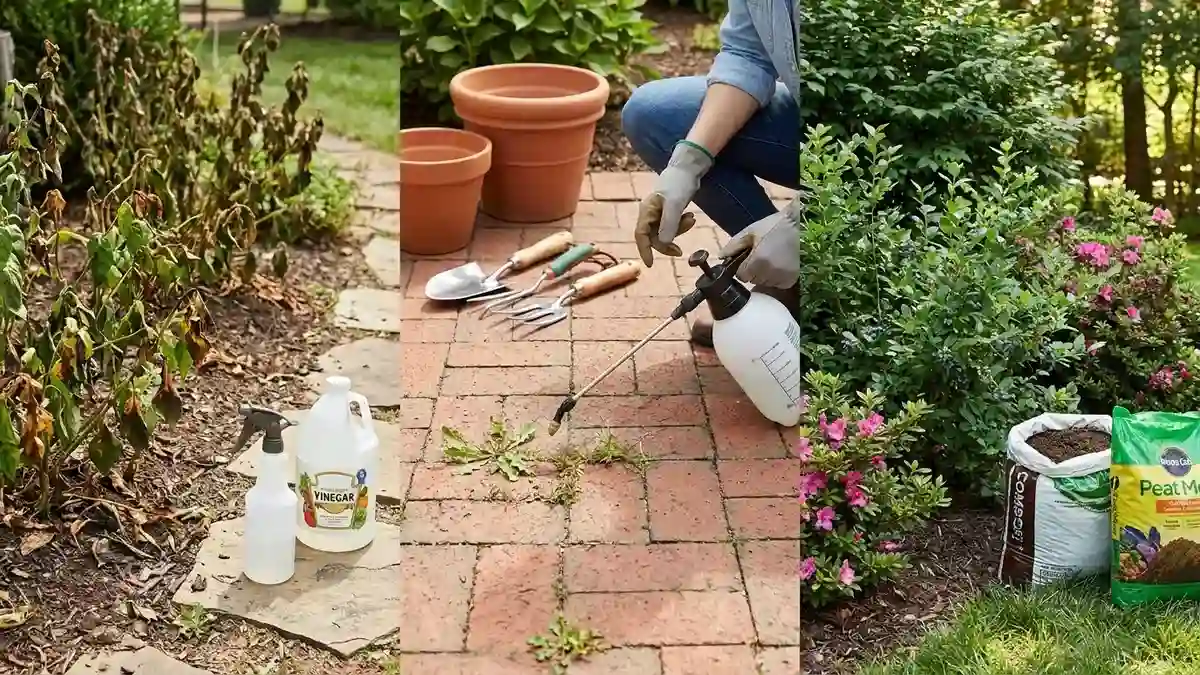
Is Using Vinegar in Your Garden Actually Doing More Harm Than Good?
Vinegar is a staple in almost every kitchen pantry, but in recent years, it has gained a massive following in the eco-friendly gardening community. Scroll through any social media gardening group, and you will find endless praise for this cheap, non-toxic liquid. Enthusiasts claim it is the ultimate secret weapon for everything from eradicating stubborn weeds to altering soil chemistry and repelling unwanted pests.
However, as many well-intentioned homeowners have discovered the hard way, applying vinegar to your landscape isn’t always a magic cure. While it does possess powerful properties that can benefit your outdoor spaces, misusing it can lead to scorched foliage, damaged soil biology, and ruined crop yields. To get the most out of this household staple without destroying your hard work, you need to understand the science behind how it interacts with plants and soil.
Is Using Vinegar in Your Garden Actually Doing More Harm Than Good
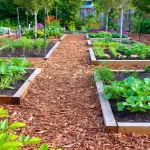
The Truth About Vinegar as a Natural Weed Killer
The most popular DIY garden trend involves using vinegar as an alternative to synthetic herbicides. While it certainly can eliminate unwanted vegetation, it is crucial to understand its limitations before you start spraying.
How Acetic Acid Works on Plant Foliage
The active component in vinegar is acetic acid. Standard household white vinegar typically contains a 5% concentration of this acid. When sprayed directly onto a plant, the acid immediately breaks down the protective waxy cuticle on the outer layer of the leaves. This causes the plant to rapidly lose moisture, leading to severe cell dehydration. On a warm, sunny day, you will often see young weeds wilt, turn brown, and die within just a few hours of application.
Why It Fails Against Perennial Weeds
While a vinegar spray is incredibly effective against young, shallow-rooted annual weeds—such as dandelions seedlings or newly sprouted crabgrass—it falls short when battling established perennial invaders.
Because acetic acid is a contact herbicide, it only destroys the green tissue it touches. It does not translocate, meaning it cannot travel down into the root system. Tough, deeply rooted weeds like bindweed, thistle, or mature dandelions will simply shed their damaged leaves and push up fresh, healthy growth from their surviving roots a week later.
The Danger of Non-Selective Damage
Another critical risk to keep in mind is that vinegar is completely non-selective. It cannot differentiate between an invasive weed and your prized heirloom tomatoes or delicate annual flowers. A single misplaced mist can severely burn or kill any desirable plant in your garden beds.
Pro Tip: To minimize accidental damage, restrict your DIY vinegar weed sprays to areas entirely devoid of desirable plants. It is ideal for clearing away stubborn growth popping up through cracks in concrete driveways, brick patios, gravel walkways, or sidewalk joints.
How Vinegar Affects Your Soil Health and pH Levels
Beyond the visible foliage, applying vinegar directly to your garden beds can create significant ripples beneath the surface of the earth.
The Temporary Nature of Acidification
Because vinegar is highly acidic, pouring it onto your dirt will inevitably lower the soil’s pH level. This has led some gardeners to use diluted vinegar solutions around acid-loving species like blueberries, azaleas, rhododendrons, and hydrangeas to give them a quick growth boost.
While this tactic might offer a fleeting adjustment, vinegar is incredibly fleeting. It washes away quickly with rain or routine irrigation, meaning it cannot permanently alter your soil chemistry.
Disrupting the Soil Food Web
Frequent applications of vinegar can do serious, long-term damage to the invisible ecosystem living beneath your plants. Healthy soil relies on a complex web of beneficial bacteria, fungi, and microbes that break down organic matter and deliver nutrients to plant roots.
The harsh acidity of vinegar can sterilize the soil, killing off these vital microorganisms and leaving your plants more vulnerable to diseases and nutrient deficiencies over time.
Sustainable Alternatives for Acid-Loving Plants
If you want to safely and permanently lower your soil pH to support acid-loving plants, skip the quick-fix liquids. Instead, top-dress your garden beds with sustainable, slow-release organic amendments.
Elemental Sulfur: Gradually lowers soil pH over several months as soil bacteria break it down.
Sphagnum Peat Moss: Excellent for incorporating into planting holes to create a localized acidic environment.
Pine Needles and Compost: Serve as a wonderful organic mulch that gently feeds the soil over time.
Pest Control: Does Vinegar Actually Repel Garden Invaders?
Many homeowners turn to vinegar as a humane, chemical-free deterrent for common garden pests, including slugs, ants, and even neighborhood cats looking for a place to dig.
| Target Pest | How Vinegar Reacts | Best Application Method |
| Ants | Disrupts scent trails | Wipe down raised bed borders or containers |
| Slugs & Snails | Destroys protective slime | Spray directly on hard surfaces, avoid foliage |
| Digging Animals | Strong odor repels | Soak rags and place near the perimeter |
While the pungent, sharp aroma of acetic acid can temporarily drive away pests, it is rarely a permanent solution. The scent dissipates quickly outdoors, requiring constant reapplication to remain effective.
Furthermore, spraying a vinegar solution directly onto your crop leaves to ward off insects is highly discouraged. The risk of causing severe leaf scorch and permanent tissue damage far outweighs any brief pest-repelling benefits.
Where Vinegar Truly Shines: Cleaning and Maintenance
While vinegar requires extreme caution around living plants, it is an absolute superstar when it comes to cleaning and maintaining your hardscaping and gardening equipment.
Restoring Terracotta and Ceramic Pots
Over time, clay and terracotta planters tend to develop unsightly white, powdery rings. These are stubborn mineral deposits left behind by hard water and fertilizers. A simple soak in a solution of equal parts white vinegar and warm water will dissolve these crusty calcium lines effortlessly, restoring your pots to their original rustic beauty.
Revitalizing Rusty Hand Tools
Leaving your pruners, trowels, and shears out in the elements can lead to a quick buildup of rust. Rather than throwing them away, submerge the metal components in a bath of undiluted vinegar for a few hours. The acid will break down the iron oxide, allowing you to easily scrub the rust away with a wire brush or steel wool.
Sanitizing Birdbaths and Feeders
Keeping birdbaths and wildlife feeders clean is essential for preventing the spread of avian diseases. Bleach can leave behind toxic residues that harm wildlife, making white vinegar the perfect eco-friendly alternative. Scrub down your birdbaths with a vinegar-and-water mix to eliminate algae and bacteria safely. Just ensure you rinse the surfaces thoroughly with clean water afterward to remove any lingering acidic residue.
Crucial Garden Mistakes: What You Should Never Do
To protect the health and longevity of your landscape, there are a few strict rules you should always follow when handling vinegar outdoors:
Never Pour it Directly into Planting Beds: Repeatedly drenching your garden soil with vinegar creates a toxic, sterile environment where future plants will struggle to survive.
Keep It Far Away From Your Lawn: Unless you want to deal with unsightly, dead brown patches across your turf, avoid using vinegar sprays anywhere near your grass.
Avoid Delicate Sprouts and Ornamentals: Young seedlings, freshly transplanted starts, and prized ornamental flowers are incredibly sensitive. Even a micro-dose of drifted vinegar spray can destroy them entirely.
Conclusion: Mastering the Use of Vinegar Safely
Ultimately, vinegar should be viewed as a sharp, powerful tool in your gardening arsenal—one that is highly effective when applied to the right task, but destructive when handled carelessly. By shifting your perspective and utilizing it primarily as a spot-treatment for driveway weeds or a natural cleaner for your tools and pots, you can reap all of its eco-friendly benefits without compromising the health of your soil or your favorite plants. Keep your applications targeted, respect its acidity, and your garden will thrive.
Frequently Asked Questions
1. Will regular household white vinegar kill mature weeds permanently?
No, standard 5% household white vinegar will generally only kill the above-ground foliage of young annual weeds. Established perennial weeds with deep roots will likely grow back, as the acid cannot travel down into the root system to kill the entire plant.
2. Can I use vinegar to change the color of my hydrangeas?
While hydrangea colors are affected by soil acidity, using vinegar is not a recommended method to change them. Vinegar breaks down too quickly and can harm beneficial soil microbes. Instead, use aluminum sulfate or organic soil acidifiers to safely lower the pH for blue blooms.
3. Is industrial agricultural vinegar safer to use than kitchen vinegar?
Agricultural vinegar contains a much higher concentration of acetic acid (typically 20% to 30%). While it is far more effective at killing tough weeds, it is also highly hazardous. It can cause severe skin burns and permanent eye damage upon contact, requiring specialized personal protective equipment (PPE) to handle safely.
4. How long does vinegar stay active in the soil?
Vinegar breaks down very quickly in the environment. It typically dissipates and neutralizes within a few days to a week, especially after a heavy watering or rainfall. However, during that brief window, it can still disrupt local soil microbes.
5. Can I spray a vinegar mixture on my vegetable plants to stop bugs?
It is not recommended. Spraying vinegar directly onto the leaves of vegetable crops can cause severe leaf scorch and tissue burns, which reduces the plant’s ability to photosynthesize and can ultimately kill your harvest. Stick to safer alternatives like neem oil or insecticidal soaps.