
Table of Contents
**Stair Climbing: The Best Exercise for Seniors Over 60 to Build Strength and Balance**
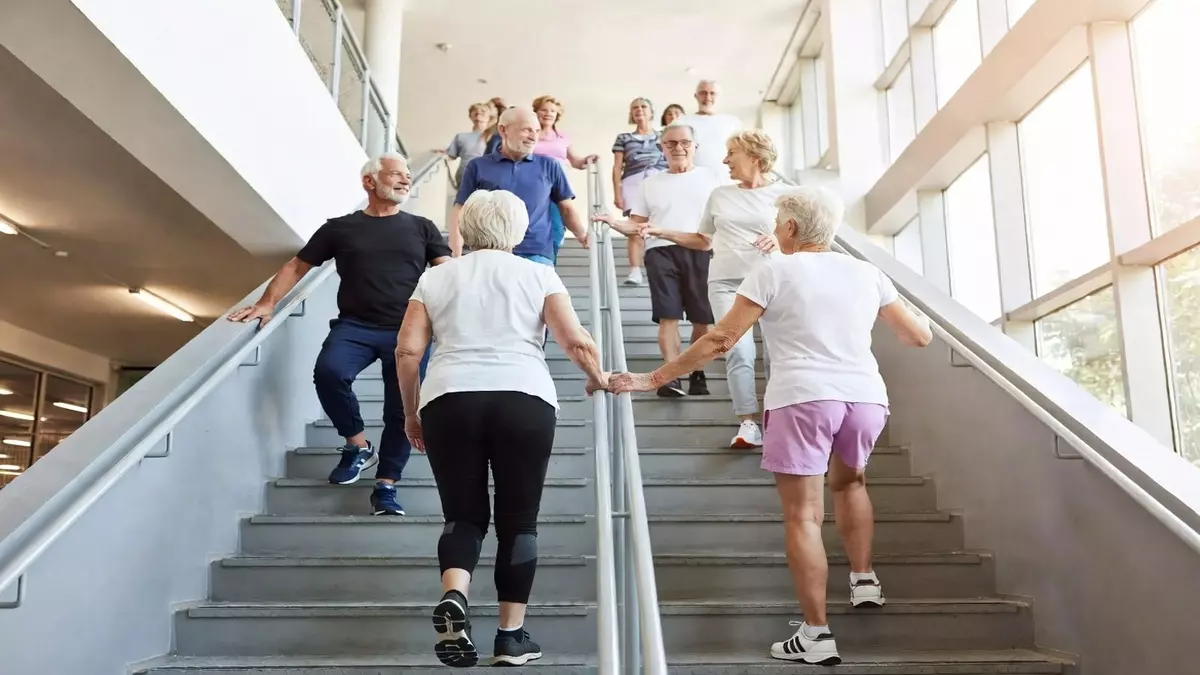
As we age past 60, maintaining strength, stability, and independence becomes increasingly important. Many seniors avoid exercise due to joint concerns or fear of injury, but one highly effective activity is often hiding in plain sight: climbing stairs.
Unlike swimming or walking, stair climbing combines resistance training, balance work, and cardiovascular benefits in one simple, equipment-free movement. It’s practical, accessible, and delivers impressive results for muscle strength, fall prevention, and heart health. This guide explores why stair climbing stands out as one of the top exercises for adults over 60 and how to incorporate it safely into your routine.

Stair Climbing: The Best Exercise for Seniors Over 60 to Build Strength and Balance
### Why Stair Climbing Outperforms Many Popular Exercises for Seniors
Stair climbing forces your body to work against gravity, making it a functional, real-world exercise that translates directly to daily activities like getting out of a chair, walking upstairs, or recovering from a stumble.
While swimming offers excellent low-impact cardio, it removes much of the gravitational load that builds bone density and functional leg strength. Regular walking is beneficial but often lacks the intensity needed to significantly challenge balance and lower-body power. Stair climbing bridges this gap — delivering a full-body workout that strengthens muscles, sharpens coordination, and boosts heart efficiency without requiring a gym or pool.
### How Stair Climbing Builds Functional Strength After 60
One of the biggest challenges after age 60 is sarcopenia — the natural loss of muscle mass and strength. Stair climbing directly counters this by engaging major muscle groups with every step:

– **Quads, Glutes, and Hamstrings**: These powerful leg muscles get a serious workout as you lift your body weight upward.
– **Calves and Core**: They stabilize you during the climbing motion, improving posture and overall body control.
– **Bone Health**: The weight-bearing nature of stair climbing helps stimulate bone density, potentially reducing the risk of osteoporosis and fractures.
A large 2024 review of nearly 480,000 adults found that regular stair climbers showed lower rates of frailty and better overall physical function. The movement mimics everyday tasks, making it highly “functional” — meaning the strength you build directly improves your quality of life.
### Superior Balance Training and Fall Prevention
Falls are a major concern for adults over 60. Stair climbing excels at improving balance because each step requires precise weight shifts, ankle stability, and core engagement. This constant micro-adjustment enhances proprioception — your body’s internal sense of position and movement.
Over time, regular practice helps your body respond better to uneven surfaces or sudden shifts in weight. Many seniors report feeling steadier on their feet both on stairs and level ground after incorporating short daily sessions. The activity also strengthens the stabilizing muscles around the hips and knees, further reducing fall risk.
### Impressive Heart Health and Cardiovascular Benefits
Stair climbing is classified as a moderate-to-vigorous activity that efficiently elevates heart rate. Just 3–5 minutes per day can produce measurable improvements in cardiovascular fitness within weeks.
Research shows impressive outcomes:
– Up to 39% lower risk of heart-related death
– 24% reduction in overall mortality risk
– Better cholesterol profiles and blood pressure management when done consistently
Because it combines aerobic exercise with resistance elements, stair climbing offers more comprehensive benefits than steady-state walking alone. It’s an efficient way to strengthen your heart while burning approximately 8–10 calories per minute.
### How Stair Climbing Fits Seamlessly Into Daily Life
One of the greatest advantages is accessibility. You don’t need special equipment, expensive memberships, or large blocks of time. Most people already have access to stairs at home, in apartment buildings, or at local malls and parking garages.
**Practical Ways to Add Stair Climbing:**
– Take the stairs instead of the elevator whenever possible.
– Do 1–2 extra flights after meals for digestion and light activity.
– Use a sturdy step stool at home for “step-ups” if full flights feel too challenging initially.
– Break sessions into short bursts throughout the day rather than one long workout.
Consistency matters far more than intensity. Even a few minutes daily can produce significant improvements over months.
### Safe Step-by-Step Guide to Starting Stair Climbing
**Step 1: Get Medical Clearance**
Always consult your doctor before beginning, especially if you have heart conditions, severe arthritis, balance disorders, or recent injuries. They can provide personalized guidance on safe starting levels.
**Step 2: Start Small and Build Gradually**
Begin with just one flight of stairs per day. Hold onto the handrail for support and focus on slow, controlled movements. Quality matters more than quantity in the early weeks.
**Step 3: Focus on Proper Form**
– Keep your posture upright with shoulders relaxed.
– Step through your full foot rather than just toes.
– Breathe steadily — exhale as you step up.
– Wear supportive, non-slip shoes with good cushioning.
**Step 4: Progress at Your Own Pace**
Once one flight feels comfortable, gradually add more steps or increase speed slightly. Alternate climbing with descending (which also builds strength but in different muscles). Rest days are important — listen to your body and avoid pushing through pain.
**Step 5: Track Your Progress**
Note how many flights you complete and how you feel afterward. Many seniors are surprised by how quickly their endurance and confidence improve.
### Complementary Exercises to Maximize Results
While stair climbing is highly effective, combining it with other activities creates even better outcomes:
– **Gentle stretching or yoga** for flexibility and recovery
– **Seated strength exercises** using resistance bands for upper body balance
– **Balance-specific moves** like single-leg stands (with support) on stable ground
– **Walking** on flat surfaces to build overall endurance
This well-rounded approach addresses strength, balance, mobility, and cardiovascular health comprehensively.
### Safety Tips and Precautions for Seniors
– Stop immediately if you experience chest pain, dizziness, or severe shortness of breath.
– Stay hydrated before, during, and after sessions.
– Avoid stairs immediately after meals or when very tired.
– Ensure good lighting on stairways and remove any tripping hazards.
– Consider using a walking stick or cane for added stability during early stages if recommended by your doctor.
For those with significant mobility limitations, starting with step-ups on a low, stable platform at home offers a safer introduction.
### Long-Term Benefits Beyond Strength and Balance
Regular stair climbing can lead to:
– Greater independence in daily activities
– Improved mood and mental clarity from regular movement
– Better sleep quality
– Increased confidence and reduced fear of falling
– Potential support for healthy weight management
Many seniors discover that this simple habit creates a positive ripple effect, encouraging them to stay more active throughout the day.
### Conclusion
Stair climbing stands out as one of the most practical and effective exercises for adults over 60 seeking better strength, balance, and overall vitality. It requires no special equipment, fits naturally into daily routines, and delivers results that directly improve quality of life.
By starting slowly, focusing on proper form, and remaining consistent, you can build the physical resilience needed to stay independent and confident well into your later years. This often-overlooked activity proves that sometimes the simplest solutions are the most powerful.
If you’ve been looking for a low-cost, accessible way to invest in your health and mobility, the stairs in your home or community may be the perfect place to begin. Take that first step today — your future self will thank you.
### Frequently Asked Questions
**How many flights of stairs should a senior climb daily?**
Start with 1–2 flights and gradually build up to 5–10 or more depending on your fitness level. Consistency is more important than volume.
**Is stair climbing safe for people with knee arthritis?**
It can be beneficial when started gradually and with proper form. Many find the controlled movement strengthens supporting muscles. Consult a doctor or physical therapist for personalized advice.
**Can stair climbing replace other exercises?**
It’s excellent but best combined with flexibility work, light upper-body training, and balance-specific exercises for well-rounded fitness.
**What if I live in a single-story home with no stairs?**
Use a sturdy step stool or low platform for step-up exercises. Many community centers and malls also have accessible stairwells for safe practice.
**How soon will I notice improvements in balance and strength?**
Most people feel steadier and stronger within 4–6 weeks of regular practice. Cardiovascular benefits can appear even sooner.
**Should I climb up and down stairs or just go up?**
Both directions offer benefits. Going up builds more strength while descending improves control and eccentric muscle strength. Use the handrail for safety when going down.
**Is stair climbing better than walking for seniors?**
It depends on goals. Stair climbing generally provides more intense strength and balance training, while walking offers gentler endurance building. Both complement each other well.