
Table of Contents
**Ai Chi: Best Water Exercise for Senior Balance & Fall Prevention**
Falls remain one of the leading causes of injury for adults over 65, with millions affected every year. The fear of falling often leads to reduced activity, which only makes balance and strength worse over time. While swimming and water aerobics offer great cardiovascular benefits, they aren’t always the most effective for improving stability and preventing falls.
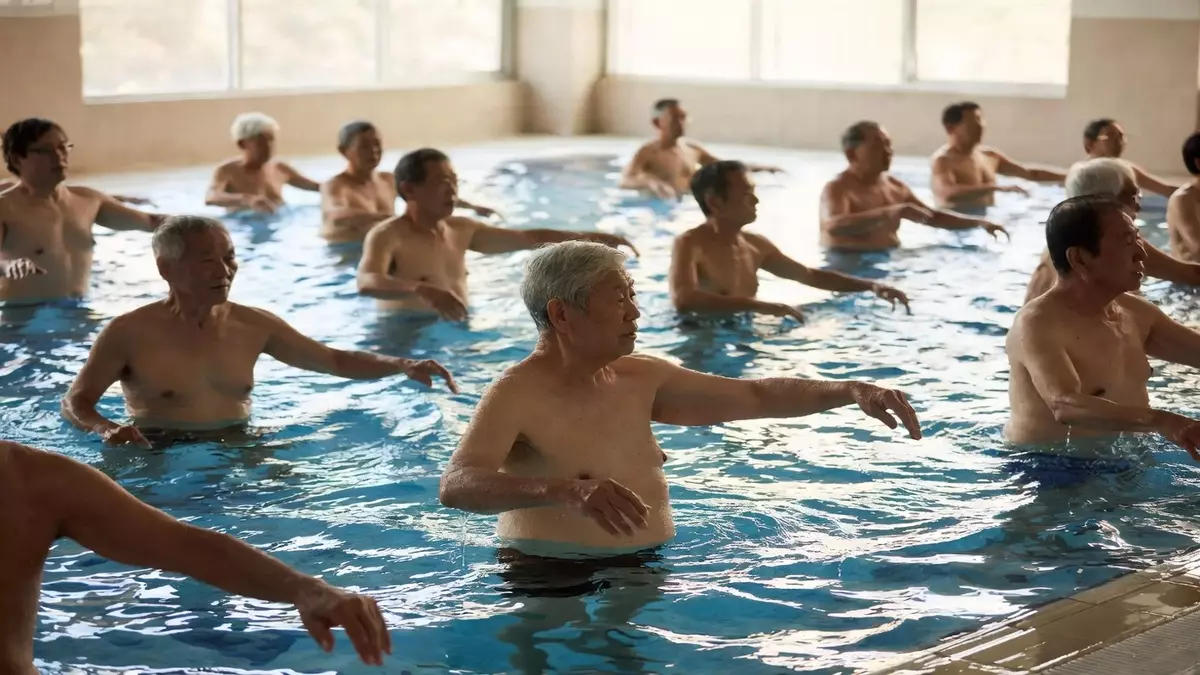
Enter **Ai Chi** — a gentle, water-based form of Tai Chi specifically designed to enhance balance, coordination, and confidence in older adults. Performed in shoulder-deep warm water, Ai Chi combines slow, flowing movements with mindful breathing to build functional strength while minimizing joint stress. This unique exercise is gaining recognition as one of the top tools for seniors seeking better stability and independence.
In this guide, we’ll explore why Ai Chi stands out, how it works, and how to incorporate it safely into a senior fitness routine.

Ai Chi Best Water Exercise for Senior Balance & Fall Prevention
### Why Falls Are So Dangerous for Seniors Over 65
Each year, more than 14 million falls are reported among adults aged 65 and older in the United States alone. These incidents often result in fractures, head injuries, reduced mobility, and loss of independence. Many seniors develop a fear of falling that leads them to limit daily activities, creating a dangerous cycle of muscle weakness and poorer balance.
 The Postural Core Shift: Why Standing Ab Workouts Are Superior for Trimming Your Waistline
Traditional land-based exercises can be intimidating due to fall risk, while high-impact activities may strain aging joints. This is where water-based exercises shine. The natural buoyancy of water supports body weight, reduces impact, and allows safe practice of challenging movements. Among water exercises, Ai Chi excels at targeting the specific skills needed to prevent falls: balance recovery, core strength, and proprioception (body awareness).
### What Is Ai Chi and How Does It Differ from Swimming or Water Aerobics?
Ai Chi is a modified, aquatic version of Tai Chi developed in the 1990s by Jun Konno. It is performed in warm water (usually shoulder-depth, around 88–92°F) and emphasizes slow, deliberate movements coordinated with deep diaphragmatic breathing.

Unlike swimming, which focuses primarily on cardiovascular endurance and full-body propulsion, or water aerobics, which often involves faster, rhythmic movements, Ai Chi prioritizes:
– **Controlled weight shifting** between narrow and wide stances
– **Gentle resistance** from water to build strength without strain
– **Mindful breathing** to improve focus and relaxation
– **Progressive balance challenges** that mimic real-life movements
The warm water relaxes muscles and joints, making it accessible even for those with arthritis, limited mobility, or chronic pain. Because movements are performed slowly, participants can concentrate on proper form and stability rather than speed or intensity.
### Key Benefits of Ai Chi for Seniors Over 65
**Superior Balance Training**
Ai Chi continuously challenges and improves balance by requiring participants to shift weight smoothly while maintaining stability in water. Over time, this enhances the body’s ability to recover from sudden shifts — exactly what’s needed to prevent falls on land.
**Strength Without Joint Stress**
Water resistance provides natural, adjustable strengthening for legs, core, arms, and back. Buoyancy reduces body weight by up to 90%, protecting knees, hips, and spine while still delivering effective muscle work.
**Improved Coordination and Reaction Time**
The flowing sequences train better neuromuscular coordination, helping seniors react more quickly to trips or uneven surfaces.
**Reduced Fear of Falling**
Many participants report increased confidence after regular Ai Chi practice. Knowing they can safely challenge their balance in a supportive environment often translates to greater willingness to stay active on land.
**Additional Health Wins**
Regular practice supports better posture, joint mobility, circulation, and stress reduction. The warm water and breathing focus also make it an excellent option for managing anxiety or mild depression common in older adults.
### How Ai Chi Compares to Other Popular Senior Exercises
While land-based balance exercises like standing on one leg or Tai Chi on solid ground are beneficial, they carry higher fall risk for beginners. Swimming builds endurance but doesn’t specifically target balance recovery. Water aerobics improves cardio fitness but often lacks the slow, focused stability training Ai Chi provides.
Ai Chi bridges the gap — offering low-impact cardio, strength, flexibility, and targeted balance work in one gentle practice.
### Complementary Water Exercises to Pair with Ai Chi
For maximum fall-prevention results, combine Ai Chi with these supportive water activities:
**Water Walking**
Walk forward, backward, and sideways in waist- to chest-deep water. Add arm movements for full-body coordination. This strengthens legs and improves gait stability.
**Resistance Band Exercises**
Anchor a waterproof resistance band to the pool edge and perform rows, presses, or pulls. These build upper body and core strength safely.
**Standing Leg Lifts**
Hold the pool edge and slowly lift one leg forward, sideways, or backward. This strengthens hips and improves single-leg balance — crucial for walking confidence.
**Seated Pool Exercises**
Using a submerged pool chair, perform leg marches, extensions, or gentle twists. Ideal for those with lower standing tolerance.
A well-rounded water routine combining Ai Chi with these exercises creates comprehensive strength, mobility, and balance improvements.
### Getting Started with Ai Chi Safely
**Consult Professionals First**
Before beginning, speak with your doctor or a physical therapist. They can assess your current balance, recommend modifications, and ensure Ai Chi is appropriate for your health conditions.
**Find the Right Class**
Many community pools, senior centers, and rehabilitation facilities now offer Ai Chi classes led by certified instructors. Group sessions provide social connection and proper guidance, while private sessions allow for personalized attention.
**What to Expect in a Session**
Classes typically last 45–60 minutes. You’ll start with breathing exercises, progress through arm movements, and eventually incorporate full-body flows. Most sessions end with a relaxation period.
**Frequency Recommendation**
Aim for 2–3 sessions per week. Many seniors notice improvements in balance and confidence within 4–6 weeks of consistent practice.
**At-Home Practice**
Once comfortable with the movements, you can practice simplified Ai Chi sequences in your bathtub or a shallow pool area (always with supervision if needed).
### Safety Tips for Water Exercises for Seniors
– Always exercise with a buddy or instructor present.
– Stay hydrated even in water.
– Move slowly and focus on control rather than speed.
– Use pool noodles or flotation devices for extra support when first starting.
– Stop immediately if you feel pain (discomfort is normal, sharp pain is not).
### Long-Term Impact on Quality of Life
Seniors who regularly practice Ai Chi and complementary water exercises often report:
– Greater confidence walking on uneven surfaces
– Reduced fear of falling
– Improved posture and gait
– Better sleep and reduced stress
– Increased ability to maintain independence
These improvements contribute to staying active, social, and engaged in life — key factors in healthy aging.
### Conclusion
Ai Chi stands out as one of the most effective water exercises for seniors over 65 looking to improve balance and prevent falls. Its combination of gentle strength training, focused balance challenges, and relaxation in warm water makes it uniquely suited for older adults who want to stay active safely.
Unlike swimming or standard water aerobics, Ai Chi specifically targets the skills most needed to navigate daily life with confidence. By incorporating Ai Chi and complementary water movements into your routine, you can build the strength, stability, and assurance needed to reduce fall risk and maintain independence well into your later years.
If you’re ready to move with greater confidence and less fear, talk to your healthcare provider about adding Ai Chi to your wellness plan. The water may just become your new favorite place to build a stronger, steadier future.
### Frequently Asked Questions
**How is Ai Chi different from regular Tai Chi?**
Ai Chi is performed in water, using buoyancy for support and water resistance for gentle strengthening. This makes it safer and more accessible for seniors with balance concerns or joint issues.
**How soon will I see improvements in balance?**
Many participants notice better stability and confidence within 4–8 weeks of regular practice (2–3 times per week). Consistency is key.
**Is Ai Chi suitable for people with arthritis or joint pain?**
Yes. The warm water soothes joints while buoyancy reduces pressure. Many people with arthritis find Ai Chi more comfortable than land-based exercises.
**Do I need to know how to swim to do Ai Chi?**
No. Most movements are performed standing in shoulder-deep water with the ability to hold the pool edge if needed. Non-swimmers can participate safely.
**Can Ai Chi be done without a pool?**
While the water environment is ideal, some modified standing movements can be practiced on land. However, the full benefits are best experienced in water.
**Is Ai Chi covered by insurance or Medicare?**
Some Medicare Advantage plans or physical therapy referrals may cover supervised water therapy. Check with your provider or local senior center for affordable class options.
**What should I wear for Ai Chi classes?**
A comfortable swimsuit, water shoes for grip, and possibly a swim cap. Bring a towel and water bottle for after class.