
Table of Contents
**Why Oatmeal for Breakfast Remains a Smart Daily Habit**
Oatmeal has quietly earned its place as a breakfast staple for good reason. In a world full of trendy superfoods and expensive wellness products, oats stand out as an affordable, practical option that delivers real nutritional value without hype. While not a miracle food, starting your day with oatmeal can support better digestion, steadier energy levels, and long-term heart health when incorporated thoughtfully into your routine.
Whether you prefer a warm bowl of steel-cut oats, creamy overnight oats, or a quick oat smoothie, this humble grain offers a satisfying way to fuel your morning. Here’s a closer look at why oatmeal continues to earn respect from nutrition experts and how to make the most of it.
Why Oatmeal for Breakfast Remains a Smart Daily Habit

### The Nutritional Power of Oats
Oats provide more than just basic carbohydrates. They deliver a well-rounded package of nutrients in every serving:
– **Beta-Glucan Soluble Fiber**: This unique fiber forms a gel-like substance in your digestive tract, slowing digestion and promoting fullness.
– **Plant-Based Protein**: Oats contain more protein than many other grains, helping you stay satisfied longer.
– **Key Vitamins and Minerals**: Natural sources of B vitamins, iron, magnesium, and antioxidants.

What truly sets oats apart is beta-glucan. This soluble fiber has been extensively studied for its ability to bind with cholesterol-rich bile acids in the gut, helping remove them from the body. The result is a modest but meaningful contribution to better cholesterol levels when eaten regularly as part of a balanced diet.
### How Oatmeal Supports Heart Health
The U.S. Food and Drug Administration recognizes the heart health benefits of oats through an authorized health claim. Foods containing at least 3 grams per day of beta-glucan soluble fiber from whole oats may help reduce the risk of coronary heart disease, especially when combined with a diet low in saturated fat and cholesterol.

Research backs this up. A meta-analysis of multiple studies found that consuming at least 3 grams of oat beta-glucan daily was associated with an average reduction of about 10 mg/dL in LDL (“bad”) cholesterol and 12 mg/dL in total cholesterol. While these numbers aren’t dramatic enough to replace medical treatment, they represent a helpful dietary nudge for people focused on cardiovascular wellness.
Unlike highly processed breakfast options, oats offer this benefit in a minimally processed form that fits easily into everyday eating patterns.
### Better Blood Sugar Control and Steady Energy
One of oatmeal’s most practical benefits is its impact on blood sugar and energy levels. The high fiber content slows the release of carbohydrates into the bloodstream, helping prevent sharp spikes and crashes that often follow sugary breakfasts.
Studies on people with type 2 diabetes show that oats and oat beta-glucan can produce small but positive improvements in fasting glucose and post-meal blood sugar control. For anyone — diabetic or not — this translates to more consistent energy throughout the morning, making it easier to power through work, workouts, or busy family schedules without reaching for quick snacks.
The key is preparation. Plain oats with smart toppings perform much better than heavily sweetened instant varieties or recipes loaded with sugar and syrup.
### Appetite Control and Digestive Health
Many people turn to oatmeal because it genuinely keeps them full. The beta-glucan fiber absorbs water and expands in the stomach, triggering fullness signals that can reduce mid-morning hunger. This natural appetite regulation makes oats particularly helpful for weight management efforts or simply maintaining steady energy.
On the digestive side, the fiber in oats supports regular bowel movements and feeds beneficial gut bacteria. Over time, this can contribute to better overall gut health and comfort.
### Simple and Delicious Ways to Enjoy Oats
The beauty of oats lies in their versatility. Here are practical ways to incorporate them:
**Classic Hot Oatmeal**
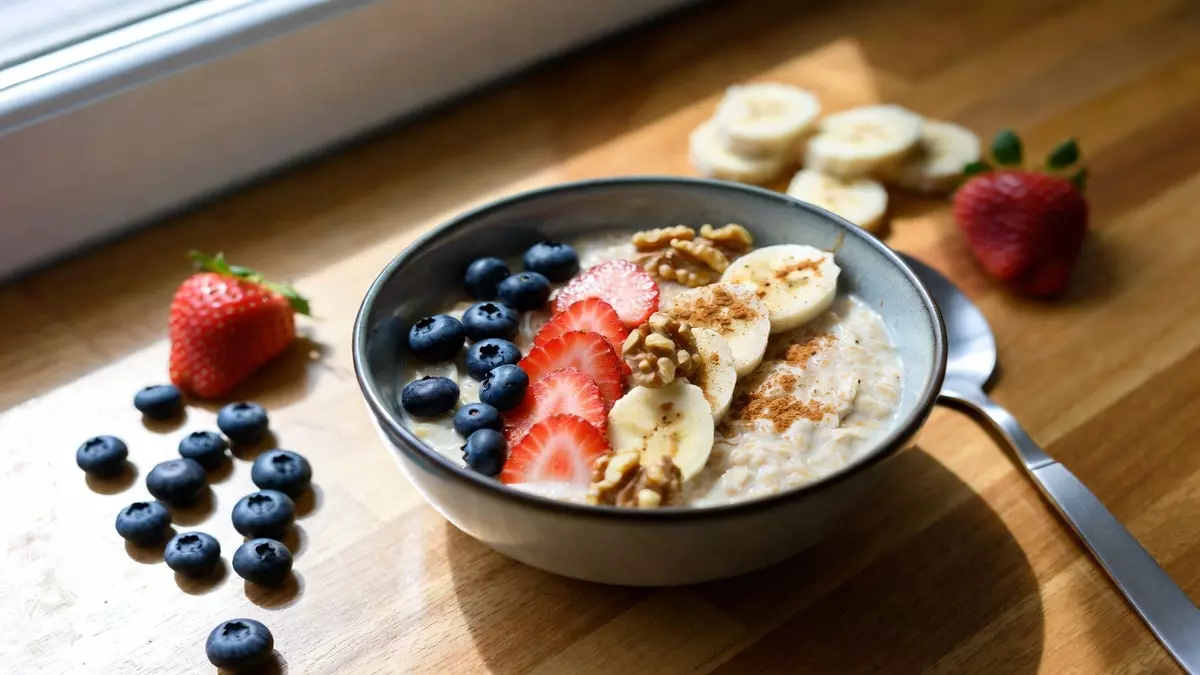
Cook rolled or steel-cut oats with water, milk, or unsweetened plant-based milk. Top with fresh berries, a sprinkle of cinnamon, chopped nuts, and a dollop of Greek yogurt for added protein.
**Overnight Oats**
Mix oats with milk or yogurt the night before. In the morning, stir in fruit, chia seeds, or a spoonful of nut butter. Perfect for busy mornings or grab-and-go breakfasts.
**Oat Smoothies**
Blend oats into your favorite smoothie for extra thickness and staying power. They pair especially well with banana, spinach, and peanut butter.
**Baked and Portable Options**
Make oat muffins, breakfast cookies, or energy bars on weekends for quick weekday options. Adding oats to pancake batter also boosts nutrition without changing the familiar taste.
For best results, start with plain rolled or steel-cut oats rather than flavored instant packets. This lets you control the sugar content while maximizing the natural benefits.
### Important Considerations and Cautions
While oats are safe and beneficial for most people, a few practical points deserve attention:
**Gluten Sensitivity**
People with celiac disease or gluten intolerance should choose oats labeled “gluten-free.” Although oats themselves don’t contain gluten, they can become contaminated during processing. Certified gluten-free oats meet strict standards of less than 20 parts per million of gluten.
**Increasing Fiber Gradually**
If you’re new to higher-fiber foods, add oats slowly and drink plenty of water. Sudden increases in soluble fiber can cause temporary bloating or digestive discomfort as your body adjusts.
**Diabetes Management**
For those with diabetes, watch portion sizes and added sugars carefully. Pairing oats with protein and healthy fats creates a more balanced blood sugar response than eating them alone.
**Quality Matters**
Opt for minimally processed varieties. Steel-cut oats offer the most texture and a lower glycemic impact, while rolled oats cook faster for convenience.
### Building a Balanced Oatmeal Breakfast
Oats work best as a foundation rather than the entire meal. Enhance their benefits by adding:
– Protein: Greek yogurt, eggs, nut butter, or seeds
– Healthy fats: Chopped walnuts, almonds, or flaxseeds
– Additional fiber and flavor: Fresh or frozen berries, apple slices, or cinnamon
This balanced approach turns a simple bowl of oats into a complete, satisfying breakfast that supports your goals for energy, heart health, and overall wellness.
### Long-Term Advantages of Regular Oat Consumption
When eaten consistently as part of a varied diet, oats contribute to:
– Better cholesterol management
– Improved digestive regularity
– More stable blood sugar and energy levels
– Greater satiety, which can support healthy weight management
– A nutrient boost without high cost or complexity
Their affordability and shelf stability also make them an excellent choice for meal planning and budget-conscious households.
### Conclusion
Oatmeal for breakfast isn’t about chasing perfection or following the latest food trend. It’s about making a simple, evidence-backed choice that supports digestion, heart health, and steady energy throughout your day. The beta-glucan fiber, combined with oats’ natural nutrients, offers quiet but meaningful benefits that fit easily into real life.
Whether you enjoy a warm bowl on chilly mornings or prepare overnight oats for hectic weekdays, this classic grain deserves its reputation as a smart breakfast option. Focus on whole forms of oats, pair them with complementary ingredients, and view them as one helpful piece of your overall nutrition picture.
Start experimenting with different preparations and toppings to find what you enjoy most. Your body — and your wallet — will likely thank you for adding this nourishing, time-tested food to your regular routine.
### Frequently Asked Questions
**How much oatmeal should I eat to get the heart health benefits?**
Aim for at least 3 grams of beta-glucan daily, which usually means about ¾ cup of dry oats. Consistency matters more than perfection in any single meal.
**Are steel-cut oats better than rolled oats?**
Steel-cut oats have a slightly lower glycemic impact and more texture, but both types offer excellent nutrition. Choose based on cooking time and preference.
**Can oatmeal help with weight loss?**
Yes, when part of a calorie-controlled diet. The fiber promotes fullness, which can reduce overall calorie intake. Pair oats with protein to maximize this effect.
**Is instant oatmeal as healthy as regular oats?**
Plain instant oats still provide fiber and nutrients, but many flavored packets contain added sugars. Plain versions are closer in benefit to traditional oats.
**Should people with diabetes avoid oatmeal?**
No. Oats can be included in a diabetes-friendly diet. Focus on portion control, avoid added sugars, and combine with protein and fats for better blood sugar response.
**How do I prevent oatmeal from becoming boring?**
Rotate toppings seasonally — pumpkin and spices in fall, fresh berries in summer, or apple and cinnamon in winter. Savory versions with eggs, vegetables, and herbs also work well.
**Are there any downsides to eating oats every day?**
For most people, daily consumption is safe and beneficial. Those with gluten issues need certified gluten-free oats, and anyone increasing fiber should do so gradually while staying hydrated.