
Table of Contents
**Smart Toilets in 2026: Why Bidets Are Replacing Toilet Paper**
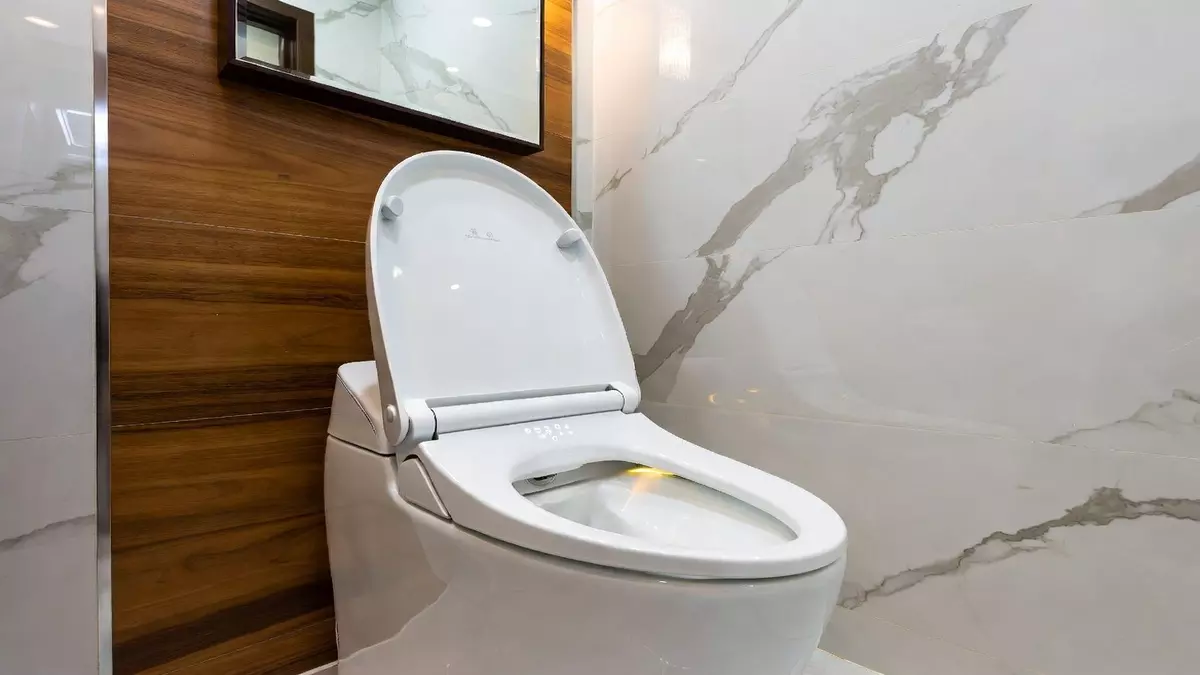
The bathroom is undergoing one of its biggest transformations in decades. In 2026, more households are moving away from traditional toilet paper as the primary cleaning method and embracing smart toilets and bidet seats. These advanced systems combine gentle water washing, warm air drying, and automated features to deliver a cleaner, more comfortable experience while reducing reliance on paper products.
This shift isn’t driven by novelty alone. It reflects growing concerns about hygiene, skin health, sustainability, and accessibility. While toilet paper isn’t disappearing overnight, its role is changing from essential to optional for millions of users. Here’s a complete look at why smart toilets are gaining popularity and how they can improve daily routines.
Smart Toilets in 2026 Why Bidets Are Replacing Toilet Paper

### Why Bidet Toilets Are Gaining Momentum Right Now
Bidets have been standard in many Asian and European homes for years, but adoption in North America has accelerated significantly in 2026. The COVID-19 pandemic highlighted vulnerabilities in supply chains, including toilet paper shortages that left shelves empty for weeks. That experience prompted many people to seek more self-sufficient bathroom solutions.
At the same time, bidet attachments and full smart toilets have become far more affordable and user-friendly. What once required expensive remodeling now fits easily onto existing toilets. Manufacturers like Roca, TOTO, and others have introduced models with intuitive controls, making the technology accessible to everyday homeowners.

Environmental awareness has also played a major role. The average American household uses over 100 pounds of toilet paper annually, contributing to deforestation and waste. Smart toilets address this by dramatically cutting paper consumption while incorporating water-efficient flushing systems.
### How Modern Smart Toilets Actually Work
Today’s smart toilets go far beyond basic bidet functions. They create a complete cleaning experience using a combination of technology and thoughtful design.

**Core Features Most Models Include:**
– **Adjustable Water Washing**: Front and rear wash options with multiple pressure settings and nozzle positions for personalized comfort.
– **Warm Air Drying**: Built-in dryers gently evaporate moisture without the need for excessive wiping.
– **Self-Cleaning Nozzles**: Advanced systems automatically rinse and sanitize the spray nozzle before and after each use.
– **Heated Seats and Night Lights**: Comfort features that make nighttime visits safer and more pleasant.
– **Sensor Technology**: Automatic lid opening, user detection, and energy-saving modes.
– **Efficient Flushing**: Dual-flush options (typically 0.8 to 1.2 gallons) that meet strict WaterSense standards.
These features work together to provide thorough cleaning with minimal effort. Users typically need far less toilet paper — often just a quick pat dry or none at all after the air-drying cycle finishes.
### Health and Hygiene Benefits of Switching
Medical professionals increasingly recognize the advantages of water-based cleaning over paper alone. Water is gentler on sensitive skin and more effective at removing residue, which can reduce irritation, itching, and infections.
**Particularly Helpful For:**
– People with hemorrhoids, anal fissures, or post-surgical recovery
– Those managing chronic conditions like IBD or UTIs
– Seniors or individuals with limited mobility
– New parents dealing with postpartum discomfort
Proper technique remains important. Experts recommend using low-to-medium water pressure, directing flow from front to back when possible, and allowing the warm air dryer to complete the process. Regular nozzle cleaning with disinfectant wipes (every 1–2 weeks) maintains optimal hygiene.
While highly beneficial for many, smart toilets may not suit everyone. Individuals with certain skin conditions (such as active eczema or open wounds) or recent surgery should consult their doctor before making the switch.
### The Environmental Impact of Going Paper-Light
Toilet paper production has a surprisingly large environmental footprint. According to environmental reports, tissue products contribute to the loss of climate-critical forests, and the manufacturing process is water- and energy-intensive.
Smart toilets help address this in multiple ways:
– Significantly reduced toilet paper usage (many households cut consumption by 50–80%)
– Water-efficient flushing systems that save thousands of gallons per year
– Longer lifespan compared to disposable paper products
However, they aren’t perfect. Heated seats, warm water, and air dryers require electricity. A full environmental assessment should consider the product’s entire lifecycle, including manufacturing and eventual disposal. For most users, the substantial reduction in paper waste still represents a meaningful sustainability win.
### Practical Considerations Before Making the Switch
**Installation and Compatibility**
Most bidet seats can be installed on existing toilets in under an hour with basic tools. Full smart toilets may require professional installation and a nearby electrical outlet. Fortunately, many models work even during power outages for basic flushing functions.
**Cost Breakdown**
– Basic bidet attachments: $30–$150
– Advanced bidet seats: $200–$600
– Complete smart toilets: $800–$3,000+
While premium models represent a bigger upfront investment, many users find they pay for themselves over time through reduced toilet paper purchases and potential water savings.
**Maintenance Tips**
– Clean the nozzle regularly
– Descale the system if you have hard water
– Replace filters according to manufacturer guidelines
– Keep the toilet bowl clean to prevent buildup
### Complementary Bathroom Trends in 2026
Smart toilets are part of a larger movement toward intelligent, wellness-focused bathrooms. Other popular additions include touchless faucets, heated floors, air-purifying systems, and customizable lighting. Together, these features create spaces that feel more spa-like and functional.
Many homeowners start small with a bidet seat attachment before upgrading to a full smart toilet. This approach allows them to experience the benefits without a complete bathroom renovation.
### Who Benefits Most from Smart Toilets?
– Families looking for better hygiene for children and elderly members
– People with skin sensitivities or chronic conditions
– Environmentally conscious households
– Anyone seeking greater independence and comfort in the bathroom
The technology is particularly valuable for people with arthritis, back problems, or mobility limitations, as it reduces the physical strain associated with traditional cleaning methods.
### Making the Transition Smoothly
If you’re considering switching, start by researching models that match your toilet size and household needs. Read user reviews focusing on reliability and ease of maintenance. Many retailers now offer trial periods or easy return policies that reduce the risk of buying the wrong unit.
Begin with a short adjustment period. Most people adapt to the new routine within a week and quickly appreciate the cleaner, fresher feeling compared to paper alone.
### The Future of Bathroom Hygiene
The rise of smart toilets in 2026 signals a broader cultural shift. What was once considered a luxury is becoming a practical upgrade for everyday wellness. As technology improves and prices continue to drop, water-based cleaning systems are likely to become even more mainstream.
This evolution doesn’t mean the complete end of toilet paper. Many households still keep some on hand for guests or backup situations. Instead, it represents a healthier balance — using paper more sparingly while relying on superior cleaning technology for daily needs.
### Conclusion
The bathroom of 2026 is smarter, cleaner, and more sustainable than ever before. Smart toilets and advanced bidet systems are proving that small changes in daily habits can lead to meaningful improvements in hygiene, comfort, and environmental impact.
Whether you start with a simple attachment or invest in a full smart toilet, this trend offers a practical way to modernize one of the most-used spaces in your home. As more people experience the benefits firsthand, the days of depending solely on toilet paper may soon feel like a thing of the past.
A cleaner, more efficient bathroom routine is no longer futuristic — it’s available today. The real question isn’t whether the shift is happening, but how quickly you want to join it.
### Frequently Asked Questions
**Will smart toilets completely replace toilet paper?**
Not entirely. Most users still keep some toilet paper for backup or guests, but many dramatically reduce their usage — sometimes by 70% or more.
**How much do smart toilets cost to install?**
Basic bidet seats range from $200–$600 with DIY installation. Full smart toilets typically run $1,000–$3,000, with professional installation adding $200–$500 depending on your setup.
**Do bidets use a lot of extra water?**
Modern systems are quite efficient. The wash cycles use far less water than multiple flushes, and many models include water-saving dual-flush technology that can actually lower overall household water use.
**Are smart toilets difficult to maintain?**
Maintenance is straightforward. Regular nozzle cleaning and occasional descaling (in hard water areas) are the main requirements. Most parts are removable for easy cleaning.
**Are bidets safe for people with medical conditions?**
They can be very helpful for many conditions, but individuals with certain skin issues, recent surgery, or infections should consult their doctor first. Proper pressure settings and hygiene practices are essential.
**How long do smart toilets typically last?**
High-quality models often last 10–15 years or more with proper care, making them a worthwhile long-term investment compared to ongoing toilet paper costs.
**Can I install a bidet seat on my existing toilet?**
Yes. Most elongated and round toilets are compatible with bidet seats. Measure your toilet first and check compatibility guides from manufacturers.