
Table of Contents
**Warning: This Common Food Habit Speeds Up Skin Aging**
You can invest hundreds in anti-aging serums and creams, yet one everyday dietary habit may quietly accelerate wrinkles, sagging, and dullness without you noticing. While many focus on topical products, what you eat and drink daily plays a major role in how your skin ages. A poor balance of key nutrients combined with excess sugar can stiffen collagen and speed up visible aging far more than most people realize.
The good news? Supporting youthful skin doesn’t require extreme diets or expensive supplements. Simple, consistent choices in hydration, protein, antioxidants, and sugar control can make a real difference. Here’s what actually works based on science and practical nutrition guidance.
Warning This Common Food Habit Speeds Up Skin Aging

### Why Diet Matters More Than Many Skincare Routines Realize
Your skin is a living organ that reflects internal health. It relies on steady supplies of water, healthy fats, protein, and protective compounds to stay firm, hydrated, and resilient. When these are lacking—or when damaging processes like glycation run unchecked—fine lines appear earlier, elasticity drops, and recovery from sun or stress slows down.
Chronic high sugar intake is one of the biggest hidden culprits. Excess sugar triggers glycation, where sugar molecules bind to collagen and elastin fibers, making them rigid and brittle. Over time, this contributes to wrinkles, loss of firmness, and uneven tone. Cutting added sugars while boosting supportive nutrients creates a powerful anti-aging effect from within.

### Hydration: More Than Just Drinking Water
Dry, dull skin often looks older than it is. While drinking plain water helps, skin needs fats to lock in moisture and maintain its barrier. Omega-3, omega-6, and omega-9 fatty acids act like mortar between skin cells.
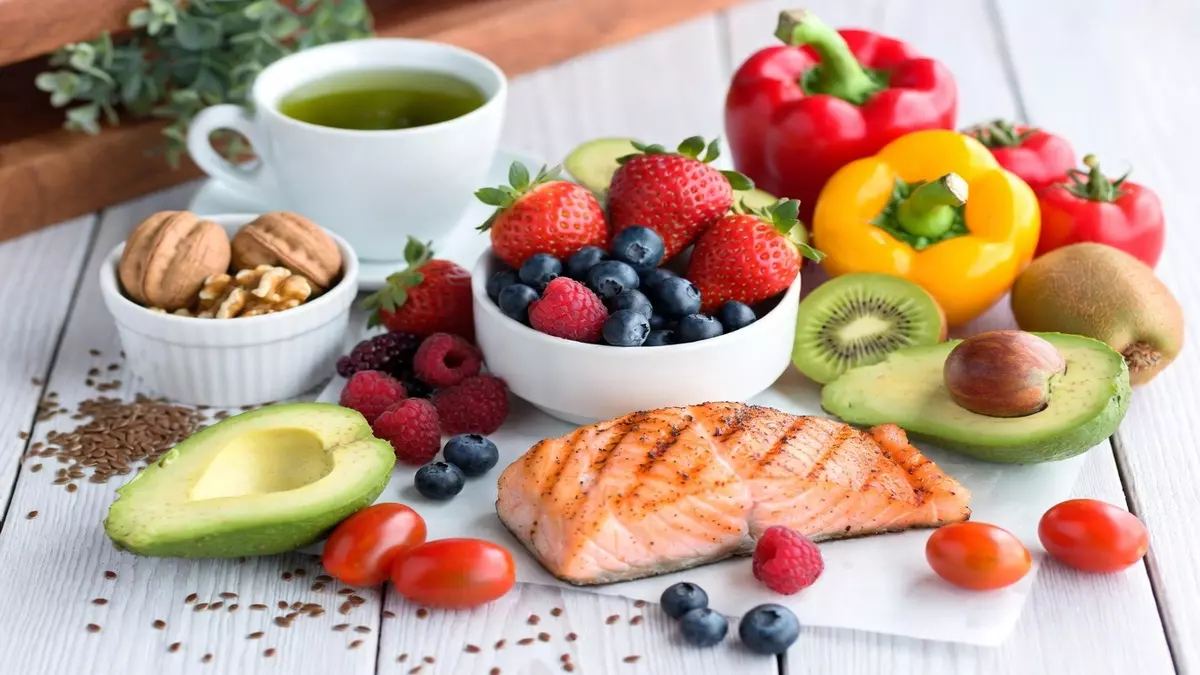
Aim for fatty fish such as salmon, sardines, or trout at least twice a week. Plant sources like avocado, walnuts, flaxseeds, chia seeds, and extra virgin olive oil provide excellent support. These fats reduce inflammation, improve skin softness, and help defend against environmental damage. For many adults, this simple swap from processed oils to whole-food fats yields visible improvements in skin texture within weeks.

### Building Stronger Collagen From the Inside
Collagen gives skin its structure and bounce. Your body produces it using amino acids from protein, but it needs vitamin C to stabilize the fibers properly. Without enough of both, collagen production slows and existing fibers weaken faster.
Prioritize vitamin C-rich foods daily: guava, kiwi, strawberries, bell peppers, oranges, and broccoli. Even cooked versions retain benefits, though raw or lightly steamed options preserve more. Pair them with quality protein sources like eggs, Greek yogurt, chicken, turkey, beans, lentils, and soy. These supply glycine and proline, the key building blocks for new collagen.
A balanced diet usually provides what most people need. The American Academy of Dermatology notes that food-based approaches are often more effective and sustainable than relying heavily on collagen supplements for beauty goals.
### Antioxidant-Rich Foods That Fight Skin Aging
Oxidative stress from UV light, pollution, and normal metabolism breaks down collagen over time. Colorful fruits and vegetables supply antioxidants that help neutralize this damage.
– **Tomatoes**: Rich in lycopene, which supports skin health. Cooking them (in sauce or soup) actually increases lycopene availability.
– **Carrots and sweet potatoes**: Provide beta-carotene, which converts to vitamin A for skin repair and protection.
– **Berries**: Packed with anthocyanins and vitamin C that combat free radicals and support brightness.
– **Green tea**: Contains EGCG catechins shown in studies to help protect skin structure after UV exposure.
Including a variety of these foods daily creates broad antioxidant coverage that topical serums alone cannot match.
### The Glycation Problem Most People Ignore
High sugar consumption doesn’t just affect energy or weight—it directly impacts skin structure. Advanced glycation end products (AGEs) form when sugar binds to proteins, stiffening collagen and making skin less elastic. This process accelerates visible aging, especially in sun-exposed areas.
Practical steps to reduce glycation:
– Limit added sugars and ultra-processed foods
– Choose moist cooking methods like steaming, poaching, or slow-cooking over high-heat frying or grilling
– Use acidic marinades (lemon, vinegar) when cooking proteins to lower AGE formation
Even modest sugar reductions can slow this process and help preserve skin firmness over time.
### Foods and Habits That Support Skin From Within
**Fatty Fish & Omega Sources**
Salmon, mackerel, sardines, walnuts, and flaxseed deliver anti-inflammatory fats that keep skin supple and hydrated.
**Vitamin C Powerhouses**
Citrus, strawberries, kiwi, and peppers boost collagen synthesis and provide antioxidant defense.
**Protein-Rich Foods**
Eggs, Greek yogurt, lean meats, beans, and tofu supply amino acids essential for skin repair and renewal.
**Lycopene & Carotenoid Foods**
Tomatoes, carrots, and watermelon help protect against UV damage and support even skin tone.
**Polyphenol Sources**
Berries, green tea, and dark leafy greens fight oxidative stress and inflammation.
**Hyaluronic Acid Support**
While oral hyaluronic acid supplements show some promise in studies for hydration and wrinkle reduction, bone broth and foods that support your body’s own production remain smart additions.
Biotin and astragalus receive heavy marketing for skin and hair, but strong evidence for dramatic beauty benefits in healthy people remains limited. Focus first on foundational nutrition before adding supplements.
### Creating a Simple Anti-Aging Eating Pattern
A practical daily approach:
– Start the day with protein + vitamin C (Greek yogurt with berries)
– Include colorful vegetables at lunch and dinner
– Add healthy fats to most meals (olive oil, avocado, nuts)
– Choose water, unsweetened tea, or infused water over sugary drinks
– Enjoy treats mindfully rather than daily
Consistency beats perfection. One extra serving of vegetables or swapping soda for sparkling water compounds over months into noticeable skin improvements.
### Conclusion: Feed Your Skin What It Needs Daily
Expensive serums have their place, but real anti-aging starts on your plate. By reducing excess sugar, prioritizing collagen-building nutrients, healthy fats, and protective antioxidants, you give your skin the internal support it needs to stay firmer, brighter, and more resilient. Small, sustainable changes—like more berries, fatty fish, and colorful produce—often deliver better long-term results than chasing the latest cream.
Your skin reflects the care you give it from the inside out. Focus on balanced, nourishing meals most days, protect it with sunscreen, and stay consistent. The mirror will thank you with smoother texture, better tone, and a more youthful appearance that lasts.
### FAQ: Diet and Skin Aging
**1. Does sugar really age skin faster?**
Yes. Excess sugar promotes glycation, which stiffens collagen and accelerates wrinkles and loss of firmness.
**2. What foods are best for collagen production?**
Vitamin C-rich fruits and vegetables paired with protein sources like eggs, fish, yogurt, and beans provide the necessary building blocks.
**3. How important are healthy fats for skin?**
Very important. Omega-3 and other healthy fats strengthen the skin barrier, reduce dryness, and lower inflammation for a plumper appearance.
**4. Can diet replace anti-aging skincare products?**
Diet and skincare work best together. Nutrition supports skin from within while topicals provide targeted protection and hydration.
**5. How quickly can dietary changes improve skin?**
Many people notice better hydration and glow within 4–6 weeks. Visible wrinkle reduction and firmness take longer with consistent habits.
**6. Is green tea actually helpful for skin aging?**
Yes. Its catechins offer antioxidant protection and may help defend against UV damage according to clinical research.
**7. Should I take collagen or hyaluronic acid supplements?**
They can help some people, but whole-food nutrition usually provides better overall results. Consult a doctor before starting supplements.